
The Illusion of the Entry Barrier
Wealth has always been a game of thresholds. For a century, the most stable and high-yielding assets—commercial skyscrapers in Singapore, rare Basquiats in London, or prime vineyards in Bordeaux—were reserved for those who could write checks for seven or eight figures. This wasn't just about the money; it was about the systemic exclusion built into the legal architecture of ownership. If you couldn't afford the whole asset, you didn't get a seat at the table. This created a rigid wealth hierarchy where the rich grew richer simply by having the exclusive right to own the things that appreciate the most.
But the velvet rope is fraying. We are witnessing a fundamental fracture in the concept of ownership. Asset fractionalization—the process of dividing a high-value asset into smaller, tradable shares—is moving from a niche fintech experiment to a systemic economic shift. It is no longer about 'democratizing finance,' a phrase that has become a tired cliché. Instead, it is about the transition of assets from static holdings to liquid flows. Why own one building when you can own 0.1% of ten different prime properties across three continents?
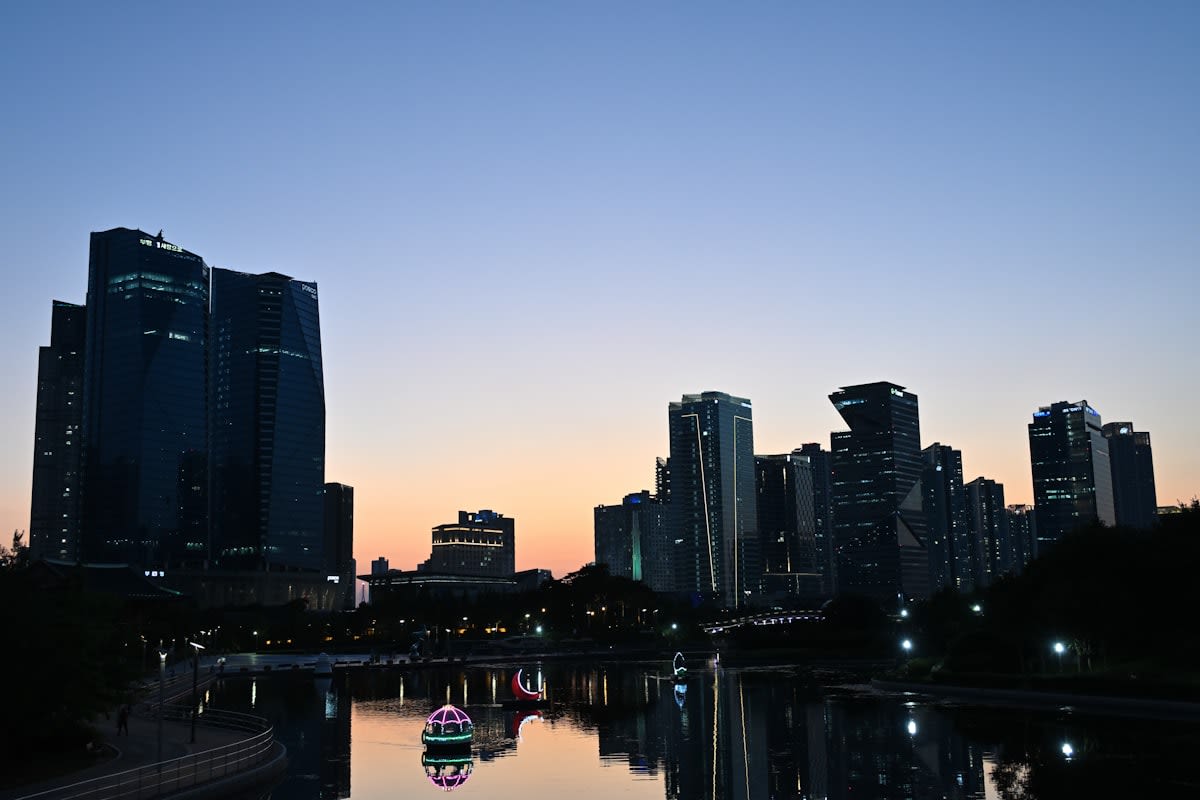
This shift is powered by a convergence of blockchain-based tokenization and a new generation of Special Purpose Vehicles (SPVs). By wrapping a physical asset in a legal entity and then issuing digital tokens representing shares of that entity, the barrier to entry drops from millions of dollars to a few hundred. This isn't just a convenience; it's a structural reconfiguration of the global balance sheet. When the cost of entry collapses, the velocity of capital increases. Assets that once sat dormant for decades are now being traded with the frequency of equities.
"The tokenization of illiquid assets represents a paradigm shift in capital markets. We are moving toward a world where every single asset, regardless of its size or nature, can be traded as a liquid security on a global scale."— Boston Consulting Group (BCG), 2022 Report on Asset Tokenization
Does this actually change the distribution of wealth, or does it just create a new way for the wealthy to manage their portfolios? The answer lies in the shift from ownership as status to ownership as yield. In the old model, owning a Picasso was a sign of power. In the fractional model, owning a piece of a Picasso is a strategic hedge against inflation. The psychological shift is profound: the asset is no longer a trophy; it is a line item in a diversified portfolio.
From a practitioner's perspective, the real battle isn't happening in the code, but in the courtrooms and regulatory sandboxes. In the boardrooms of major financial hubs, the debate rages over 'beneficial ownership' versus 'legal title.' Lawyers are struggling to reconcile 19th-century property laws with 21st-century distributed ledgers. When a thousand different people own a fraction of a warehouse in Rotterdam, who is responsible for the roof leak? How do you handle a forced sale when the owners are spread across forty different time zones? This friction is where the actual work of the ownership fracture is happening.
The Mechanics of the Fracture
To understand why this is a systemic shift, we have to look at the delta between traditional investment and fractionalized ownership. Traditional ownership requires massive capital concentration and carries extreme liquidity risk. If you own a $10 million apartment, you cannot sell the kitchen to pay for a medical emergency. You must sell the entire asset, a process that can take months and involves staggering transaction costs. Fractionalization solves this by decoupling the economic benefit of the asset from the physical burden of its management.
| Feature | Traditional Ownership | Fractional Ownership |
|---|---|---|
| Entry Barrier | High (Full Asset Value) | Low (Fractional Share) |
| Liquidity | Low (Months to sell) | High (Secondary market trading) |
| Management | Direct/Self-Managed | Third-party Asset Manager |
| Diversification | Concentrated Risk | Highly Diversified |
| Legal Structure | Direct Deed/Title | Tokenized SPV/Equity Share |
This transition is creating a new class of 'micro-investors' who can now mirror the strategies of the ultra-wealthy. In Southeast Asia, we see platforms allowing individuals to buy fractions of farmland. In Europe, fine wine and rare watches are being sliced into digital shares. This isn't just about access; it's about the efficiency of capital. By lowering the threshold, these platforms are unlocking trillions of dollars in previously 'trapped' retail capital and funneling it into assets that were previously the exclusive domain of institutional funds.
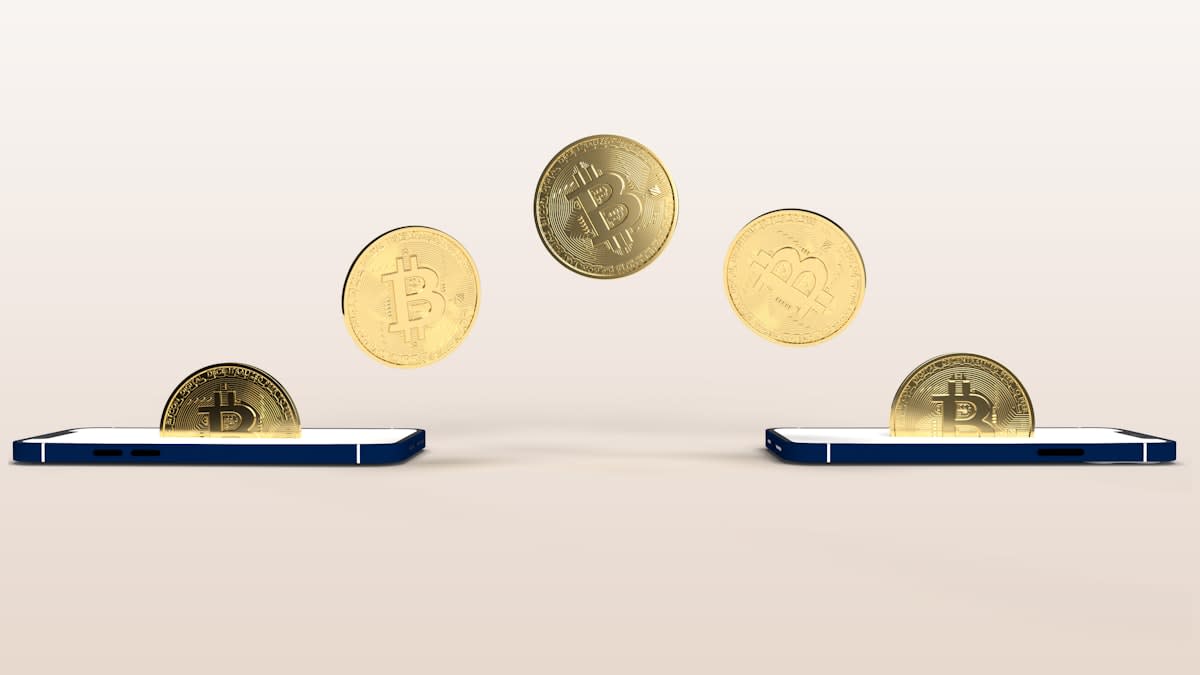
However, we must ask: is this true ownership or just a sophisticated form of derivative trading? Critics argue that the fractional owner possesses no actual power—no vote on how the asset is managed, no right to enter the property, and no control over the exit strategy. They are essentially buying a synthetic version of the asset. Yet, for the vast majority of the global population, the ability to capture the price appreciation of a prime asset is far more valuable than the right to hold the physical key.
- Commercial Real Estate: Shifting from REITs to direct fractional ownership of specific buildings.
- Fine Art: Transitioning from private gallery deals to public tokenized shares of blue-chip works.
- Luxury Collectibles: High-end watches and vintage cars becoming yield-bearing digital assets.
- Infrastructure: Individual investment in solar farms or toll roads via fractional shares.
The systemic implication is a massive redistribution of liquidity. According to estimates, the tokenization of global illiquid assets could reach a market valuation of $16 trillion by 2030 (Source: BCG, 2022). This represents a staggering amount of wealth moving from static, private holdings into a dynamic, transparent market. When assets become liquid, they are priced more accurately. The 'opacity premium'—the extra profit owners make because there is no transparent market for a specific asset—is evaporating.
Projected Growth of Tokenized Assets (2022-2030)
Executive Insight
+18.4%
YTD Growth
As we move forward, the definition of a 'portfolio' will change. We are moving away from the binary choice of stocks versus real estate. The future portfolio will be a granular mosaic of fractions: 2% of a Manhattan loft, 1% of a rare Ferrari, 5% of a sustainable forest in Brazil, and 10% of a commercial warehouse in Dubai. This level of diversification was once the exclusive privilege of family offices; now, it is becoming a standard retail reality.
The fracture is complete when the traditional wealth barrier is no longer a wall, but a filter. The gatekeepers aren't disappearing, but their role is shifting from 'denying access' to 'managing the fraction.' The real opportunity now lies in the infrastructure of this new economy—the platforms that can verify the authenticity of the underlying asset and the legal frameworks that can protect the micro-owner.
Editorial Note
This analysis focuses on the systemic shift in asset ownership. While the technology (blockchain) is the catalyst, the economic driver is the demand for liquidity in a high-inflation environment. The shift is global, though regulatory speeds vary significantly between the EU, Asia, and North America.
Fact-Check & Accuracy Note
Key claims regarding the $16 trillion market projection are sourced from Boston Consulting Group's (BCG) 2022 research on the tokenization of assets. The discussion on beneficial ownership and legal friction reflects ongoing debates within international property law and the IMF's perspectives on digital financial infrastructure.