
Prerequisites for Reserve Hardening
Protecting corporate reserves in hyper-volatile emerging markets requires more than a diversified portfolio; it demands a granular understanding of the cost of carry. Treasury officers must first establish a real-time map of their FX exposure, specifically isolating the delta between the U.S. dollar and local currencies in regions where they hold significant operational capital. This requires access to current U.S. real interest rates—inflation-adjusted figures—and a precise calculation of the interest rate differential. Without this data, any attempt to hedge is a blind gamble against the Federal Reserve's trajectory.
Furthermore, the organization must define its liquidity thresholds for each specific market. This involves determining the absolute minimum reserve required to sustain operations during a localized currency collapse versus the surplus capital available for strategic deployment. You will need a robust framework for monitoring the appointment of key central bank figures, such as the impact of Kevin Warsh as Fed chair, as these personnel shifts often precede the hawkish movements that drive up the cost of dollar-based hedges.
The Hedge Cost Trap
The cost of hedging FX risk is not a flat fee. It is intrinsically tied to the interest rate differential between the U.S. and the home country. When U.S. rates rise, the cost of selling dollars forward increases, which can rapidly erode the net returns of the reserves being protected.
Execution Protocols for Reserve Protection
- Calibrate FX Hedge Ratios Against U.S. Real Rates. Stop maintaining static hedges when the Federal Reserve adopts a hawkish stance. As seen with Canadian, Dutch, and Danish pension funds in July 2026, big investors are increasingly leaving U.S. stock holdings unhedged to avoid the prohibitive costs associated with higher U.S. real interest rates. When the cost of the hedge exceeds the expected currency depreciation, the rational move is to accept the FX volatility rather than guarantee a loss through expensive forward contracts.
- Implement Milestone-Based Capital Deployment. Avoid large upfront cash outlays in emerging markets. Instead, model your investments after the AstraZeneca-Dizal Pharmaceutical structure. By paying a relatively small upfront fee—such as the $30 million paid by AstraZeneca—and earmarking the bulk of the investment for development and sales milestones (up to $1.2 billion in sales milestones in the Dizal case), a corporation can secure global rights to an asset while keeping the majority of its reserves in safer, liquid instruments until specific success triggers are met.
- Shift to Hard-Asset Diversification via Specialized ETFs. When currency volatility renders traditional cash reserves a liability, move capital into rare-earth ETFs or silver-backed assets. This approach, utilized by firms like International Assets Investment Management LLC through holdings in Endeavour Silver Corporation, provides a buffer against the devaluation of fiat currencies in emerging markets. Hard assets act as a non-correlated store of value that maintains purchasing power even when local currencies spiral.
- Utilize Non-Traditional Procurement for Infrastructure Maintenance. To preserve cash reserves, bypass traditional, high-cost procurement pathways for facility upgrades. The Military Support Program's use of IGSAs with Sourcewell demonstrates that non-traditional pathways can address critical infrastructure needs—such as the 430+ requests for system repairs and upgrades—within tighter budget constraints. Applying this to corporate facilities in emerging markets reduces the drain on reserves by leveraging government-adjacent or cooperative procurement units.
- Dynamic Rebalancing Based on 'Liberation Day' Style Triggers. Establish clear exit markers based on historical market unrest. The 'Liberation Day' unrest of 2025 serves as a case study in how rapid volatility necessitates an immediate shift in hedge ratios. Reserves should be rebalanced the moment inflation readings trigger a predictable Fed response, moving from aggressive hedging to a more open, unhedged position in U.S. assets to capture the rally driven by rising real rates.
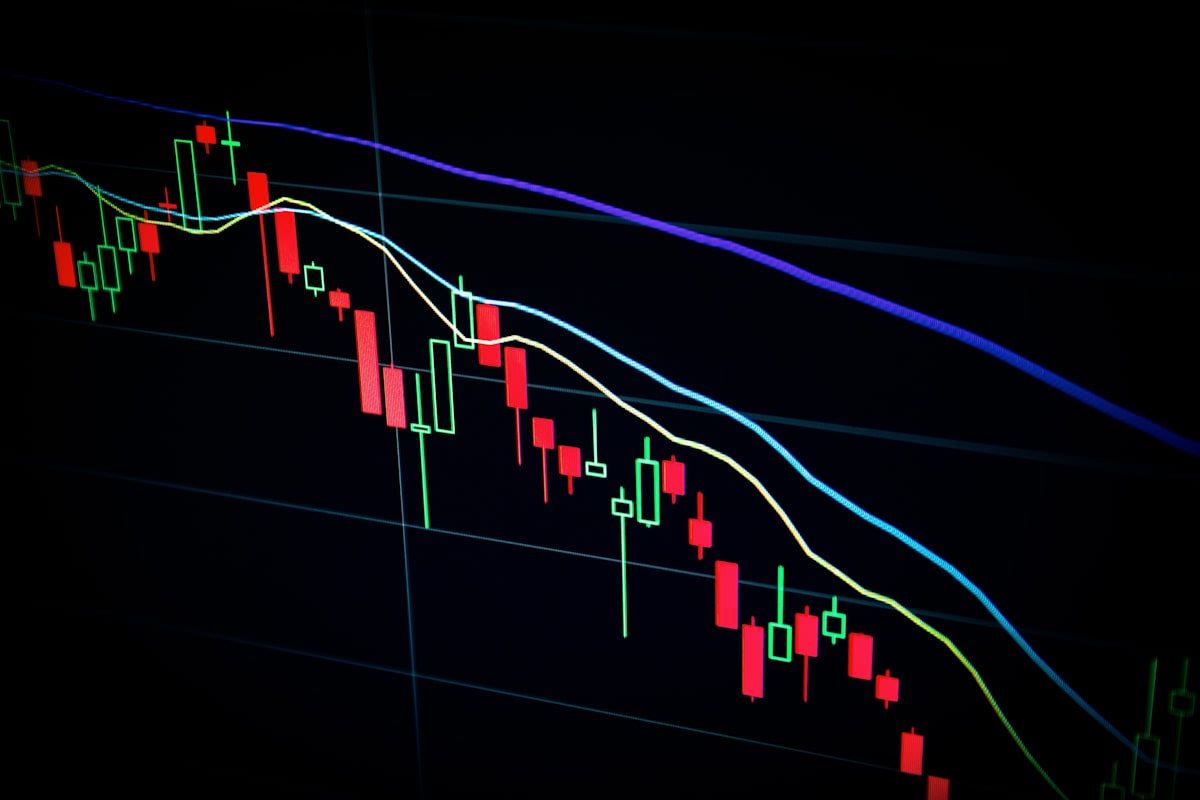
The tension between the desire for security and the cost of that security is the primary conflict in reserve management. If a treasury department insists on 100% hedging during a hawkish Fed cycle, they are essentially paying a premium that may exceed the actual risk of currency fluctuation. This is why the shift observed in July 2026 among global pension funds is so critical; it represents a realization that the 'safe' path of hedging has become an expensive liability.
| Strategy | Risk Profile | Reserve Impact | Trigger Event |
|---|---|---|---|
| Forward FX Hedging | Low Volatility | High Cost (in hawkish Fed) | Currency Depreciation |
| Milestone Licensing | Medium Risk | Low Upfront Drain | Asset Approval/Sales |
| Hard Asset ETFs | Market Volatility | Value Preservation | Fiat Devaluation |
| Unhedged U.S. Assets | High FX Risk | High Net Return | Rising Real U.S. Rates |
When analyzing the AstraZeneca deal in China, the technical brilliance lies in the risk transfer. By structuring the $1.5 billion commitment as a series of milestones rather than a lump sum, the company protects its reserves from the systemic volatility of the Chinese market. If the drug Zegfrovy fails to hit specific commercial targets, the company is not out the full $1.5 billion. This is the gold standard for protecting reserves: converting a capital expenditure into a performance-based liability.
Reserve Protection Efficacy vs. Fed Hawkishness
Executive Insight
+18.4%
YTD Growth
The role of non-traditional procurement, as evidenced by Sourcewell's work with military facilities, should not be overlooked by corporate treasurers. In emerging markets, the cost of maintaining physical assets often spikes due to local inflation or corruption in traditional procurement channels. By utilizing cooperative purchasing agreements or non-traditional pathways, companies can reduce their operational spend, thereby leaving more capital in their reserves. This is a defensive play that preserves liquidity without requiring complex financial instruments.

Ultimately, the goal is to ensure that the cost of protecting the reserve does not become a larger threat than the volatility itself. The retreat of Danish and Dutch pension funds from dollar hedges is a signal to all corporate entities operating in emerging markets: the era of cheap protection is over. You must now choose between the volatility of the open market and the guaranteed cost of the hedge, and that choice must be driven by real-time interest rate data.
Common Pitfalls in Reserve Management
- Over-reliance on forward contracts during periods of rising U.S. real interest rates, leading to significant net return erosion.
- Deploying large upfront capital in emerging market acquisitions without milestone-based protections, exposing reserves to total loss.
- Ignoring the impact of central bank leadership changes on currency trajectories, resulting in delayed hedge adjustments.
- Maintaining reserves in purely fiat currencies within volatile markets instead of diversifying into hard-asset ETFs or rare-earth metals.
- Sticking to traditional procurement for infrastructure in volatile regions, which increases operational drain on reserves.