Demolition order issued against 38 of 40 buildings at Azam Khan’s university
Source Entity
Manish Sahu
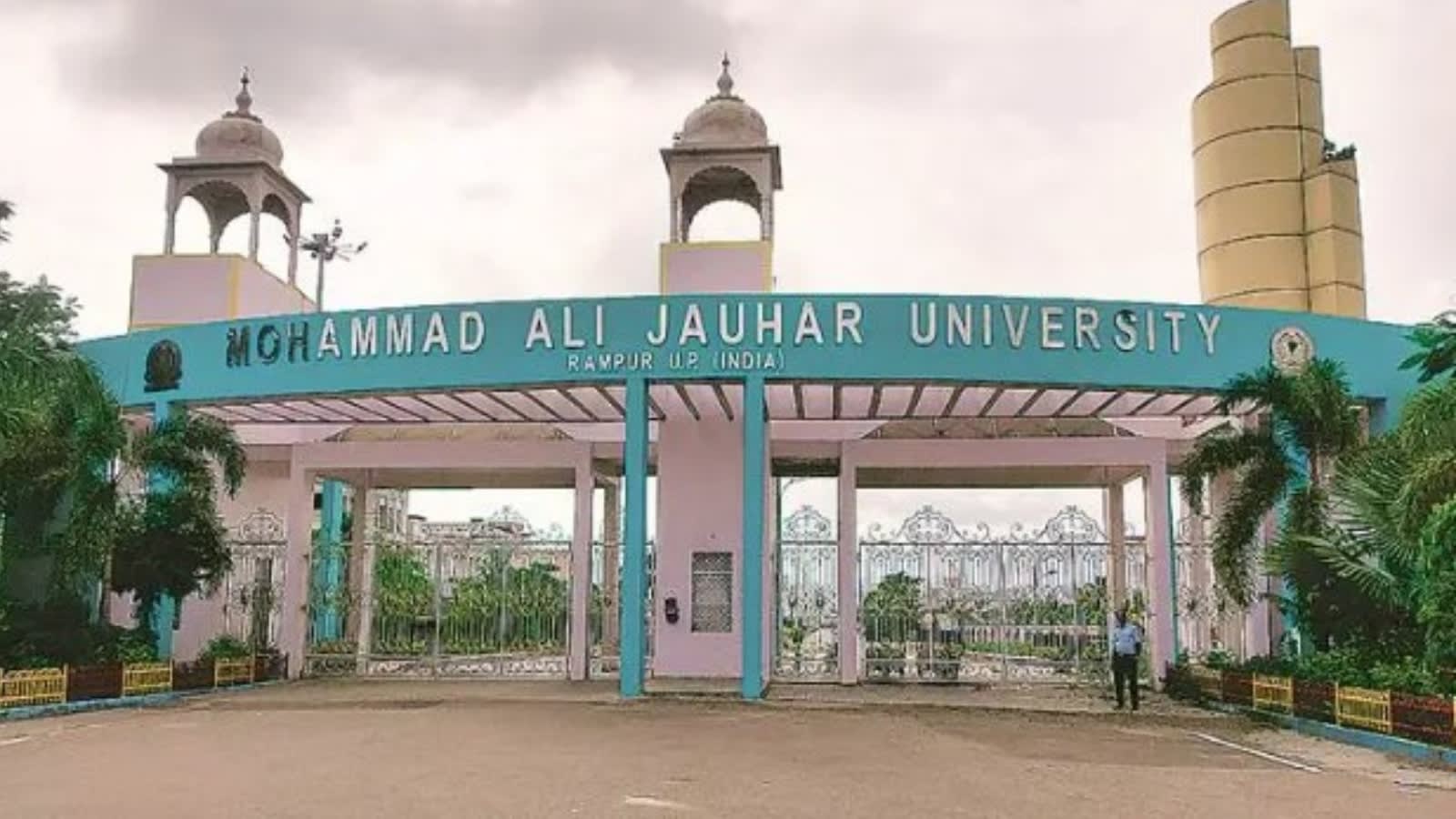
The Rampur Development Authority (RDA) has issued a demolition order for 38 out of 40 buildings at the university established by political leader Azam Khan, citing unauthorized construction and providing a 15-day deadline for removal.
Administrative Crackdown: The Demolition Order at Azam Khan's University
In a significant administrative move, the Rampur Development Authority (RDA) has issued a demolition order targeting 38 of the 40 buildings at the university founded by prominent political figure Azam Khan. The authority has classified these structures as "unauthorised," granting the institution a strict 15-day window to remove the buildings before the state takes direct action. This move represents a critical escalation in the ongoing friction between the state administration and the political interests of Azam Khan in Uttar Pradesh.
The Legal and Regulatory Framework
At the core of this order is the allegation of unauthorized construction. In the context of urban development in India, specifically under the purview of regional development authorities like the RDA, all institutional constructions must adhere to strict zoning laws, land-use permissions, and approved building blueprints. When a structure is deemed "unauthorised," it implies that the construction either bypassed the necessary approval process or deviated significantly from the sanctioned maps. The scale of the order—affecting nearly all buildings on the campus—suggests a systemic failure in compliance or a rigorous retroactive audit by the authorities to identify lapses in the university's infrastructure.
Political Context and "Bulldozer Justice"
To understand the broader implications of this event, one must analyze the political climate of Uttar Pradesh. Azam Khan has long been a polarizing and influential figure, often finding himself at odds with the current state government. The use of demolition orders against the properties of political rivals has become a recurring theme in recent years, often referred to in public discourse as "bulldozer justice." While the government frames these actions as the rule of law and the removal of illegal encroachments, critics and political analysts often view them as a tool for political intimidation. This specific action against an educational institution adds a layer of complexity, as it targets a center of learning and intellectual development.
Impact on Educational Infrastructure
Beyond the political theater, the immediate concern is the potential displacement of students and faculty. The demolition of 38 buildings would effectively dismantle the operational capacity of the university. Educational institutions require stability and long-term infrastructure to function; a sudden order of this magnitude threatens the academic future of those enrolled. If the university is unable to secure a stay order from the court within the 15-day window, the physical destruction of the campus could lead to a total cessation of academic activities, raising questions about the balance between administrative enforcement and the right to education.
Historical Precedents and Future Trends
Historically, such orders in India frequently lead to protracted legal battles in the High Courts and the Supreme Court. It is likely that the university administration will challenge the RDA's findings, arguing that the permissions were either granted or that the demolition order is disproportionate. Looking forward, this event is likely to trigger a wider debate on the transparency of building approvals and the impartiality of development authorities. We can expect a trend where institutional properties become the new battleground for administrative audits, potentially leading to a wave of litigation across the state as other entities fear similar scrutiny.
Conclusion
The RDA's order to demolish the majority of Azam Khan's university is more than a simple zoning dispute; it is a high-stakes intersection of law, politics, and education. While the state maintains that it is simply cleaning up unauthorized constructions, the timing and scale of the action point toward a deeper political struggle. The next 15 days will be crucial in determining whether the university survives through legal intervention or becomes another casualty of the state's aggressive administrative campaign.