SIR exercise: Delhi voters get 10 more days to submit enumeration forms
Source Entity
BHARTI JAIN
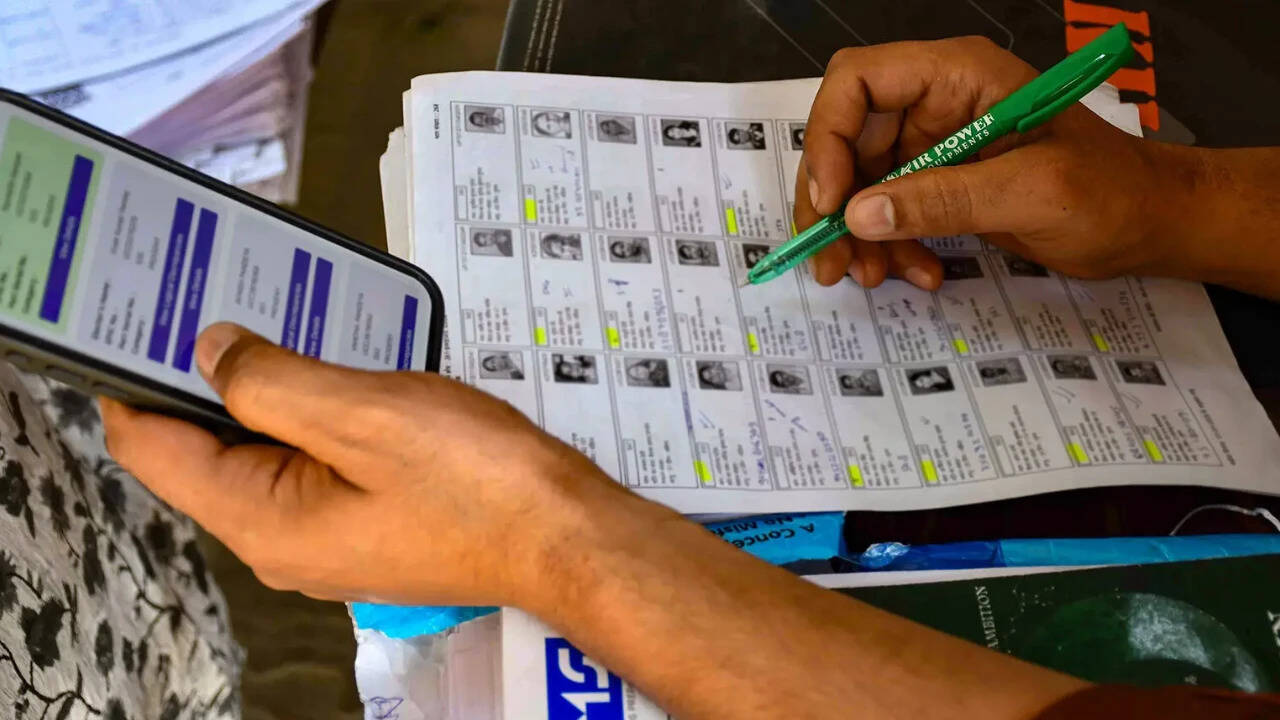
Delhi voters have been granted a 10-day extension to submit enumeration forms as part of the Special Intensive Revision (SIR) exercise, with BLO house-to-house visits continuing until August 8 and the final electoral roll scheduled for publication on October 19.
Extension of Voter Enumeration in Delhi: Ensuring Electoral Inclusivity
The integrity of a democratic election rests heavily on the accuracy and inclusivity of its electoral rolls. The recent announcement that Delhi voters have been granted an additional 10 days to submit their enumeration forms as part of the Special Intensive Revision (SIR) exercise is a significant administrative step. This extension ensures that eligible citizens who may have missed initial deadlines are not disenfranchised, thereby reinforcing the principle of universal adult suffrage. By providing this grace period, the electoral authorities are acknowledging the logistical challenges voters face in completing the necessary paperwork during the registration process.
The Critical Role of Booth Level Officers (BLOs)
A key component of this exercise is the continued house-to-house visits by Booth Level Officers (BLOs), which have now been extended until August 8. BLOs serve as the primary link between the Election Commission and the grassroots electorate. Their role in physically verifying residency and eligibility is crucial for purging 'ghost voters'—deceased or relocated individuals who remain on the rolls—and adding new eligible voters. This ground-level verification process is essential in a densely populated metropolitan area like Delhi, where rapid urban migration and shifting demographics can quickly render electoral lists obsolete.
Regional Synchronization and Administrative Logistics
The scope of these revisions extends beyond the national capital, as revised schedules have also been released for Punjab, Telangana, and Karnataka. The fact that similar extensions were previously implemented in Andhra Pradesh and Haryana suggests a systemic approach to electoral roll maintenance across multiple Indian states. This synchronization indicates a coordinated effort by electoral bodies to standardize the quality of voter data. Managing such vast exercises across diverse geographies requires immense logistical coordination, and the flexibility shown in extending deadlines reflects a commitment to quality over haste.
Implications for Electoral Integrity
From a political and legal standpoint, a precise electoral roll is the best defense against voter fraud and electoral disputes. When rolls are outdated, it leads to confusion at polling stations, potential disputes over voter eligibility, and an overall decrease in trust in the electoral process. By meticulously updating the rolls through the SIR exercise, the authorities are minimizing the risk of discrepancies. The rigorous verification phase ensures that the final list is a true reflection of the eligible voting population, which is fundamental for the legitimacy of any subsequent election results.
Analysis of the Timeline and Publication
The timeline provided—with BLO visits ending in early August and the final electoral roll being published on October 19—indicates a substantial window for data processing and verification. This gap is necessary for the 'claims and objections' phase, where the preliminary list is scrutinized by the public and political parties. This period of transparency allows for the correction of clerical errors and the resolution of disputes regarding voter registration, ensuring that the document published in October is legally sound and practically accurate.
Future Trends in Voter Registration
Looking forward, these intensive physical revision exercises may eventually transition into more digitized, real-time update systems. While the current SIR exercise relies heavily on manual BLO visits, the trend toward 'Digital India' suggests a move toward biometric integration and online portals for seamless enumeration. However, until digital literacy and access are universal, the physical verification model used in Delhi and other states remains an indispensable safeguard to ensure that no marginalized citizen is left off the rolls due to a lack of technological access.
Conclusion
In summary, the 10-day extension for the submission of enumeration forms in Delhi is a vital administrative adjustment that prioritizes voter inclusivity. By extending the tenure of BLO visits and coordinating schedules across various states, the electoral authorities are ensuring a robust and transparent preparation for future polls. The final publication of the roll on October 19 will mark the culmination of a rigorous process designed to uphold the sanctity of the ballot and the democratic rights of every eligible citizen.