Will rebuild the party… have done earlier, will do it again: Mamata Banerjee
Source Entity
Ravik Bhattacharya
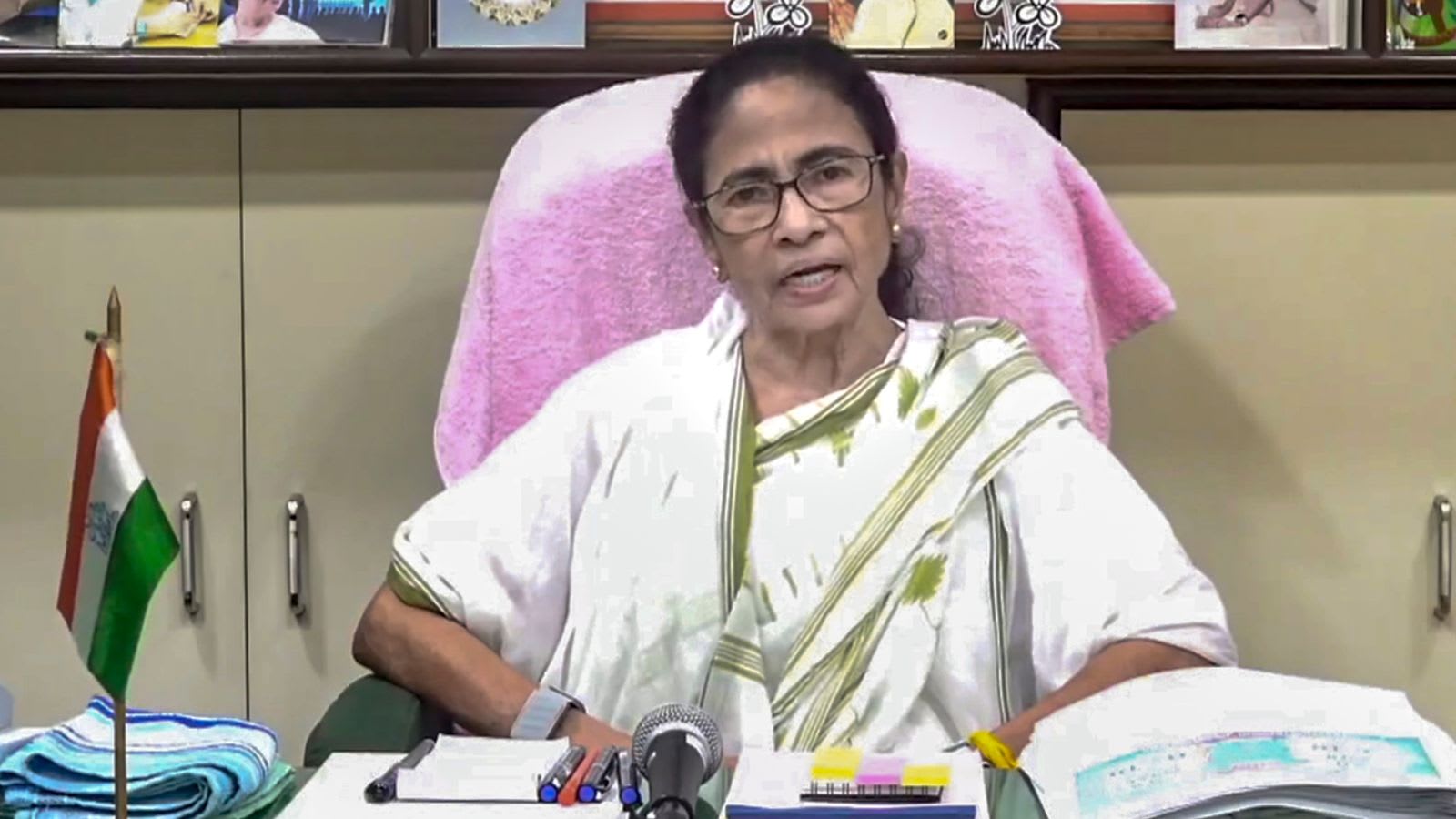
Trinamool Congress chief Mamata Banerjee has asserted her resolve to rebuild her party following the departure of several close aides, including Madan Mitra, claiming she has successfully restructured the organization in the past and can do so again.
Resilience Amidst Attrition: Mamata Banerjee's Strategy to Rebuild the TMC
In a bold assertion of political resilience, West Bengal Chief Minister and Trinamool Congress (TMC) supremo Mamata Banerjee has responded to a wave of internal attrition with a defiant promise to reconstruct her party. The departure of key associates, most notably Madan Mitra, has signaled a period of instability within the party's inner circle. However, Banerjee's public stance—that she has "done it earlier" and "will do it again"—reflects a leadership style rooted in survivalism and a deep-seated belief in her own ability to mobilize grassroots support regardless of who occupies the secondary tiers of leadership.
The Dynamics of Political Attrition
The exit of high-profile aides like Madan Mitra is rarely an isolated event in the volatile landscape of West Bengal politics. Such departures often stem from a combination of internal factionalism, disagreements over strategic direction, or the mounting pressure from central investigative agencies. When "closest aides" abandon the ship, it typically suggests a fracture in the trust mechanism that sustains the party's operational efficiency. For the TMC, these exits represent a loss of experienced political operators who have been instrumental in managing local constituencies and executing the party's ground-level machinery.
Historical Context of Party Construction
To understand Banerjee's confidence, one must look at the historical trajectory of the Trinamool Congress. Mamata Banerjee's political career is defined by her ability to pivot and rebuild. Her break from the Indian National Congress to form the TMC was a high-stakes gamble that eventually dismantled the decades-long hegemony of the Left Front in West Bengal. By framing the current crisis as a repeatable process, she is reminding both her supporters and her opponents that the party's strength is derived from her personal charisma and leadership rather than the loyalty of a few specific lieutenants. This narrative transforms a potential sign of weakness into a testament to her enduring strength.
Strategic Implications of "Rebuilding"
The process of "rebuilding" the party likely involves a strategic purge and the elevation of new, more loyal, or more effective faces. In political science, this is often referred to as "organizational renewal." By distancing herself from departing aides, Banerjee can effectively reset the party's image, shedding the baggage associated with old guards who may have become liabilities. However, this carries the inherent risk of alienating veteran cadres who feel undervalued, potentially creating a vacuum in leadership at the district and block levels that cannot be filled overnight.
Impact on the Opposition and Electoral Landscape
This internal turmoil provides a window of opportunity for opposition parties, particularly the BJP and the CPIM, to capitalize on the perceived instability within the TMC. The narrative of a "crumbling empire" is one that rivals will likely use to attract disillusioned TMC workers. Yet, Banerjee's proactive communication strategy aims to neutralize this by presenting the attrition as a natural cycle of growth. If she successfully integrates new leadership while maintaining her grip on the rural vote bank, the party may emerge more streamlined and less prone to the internal conflicts that characterized its earlier years.
Future Trends and Leadership Evolution
Looking forward, the TMC is likely to move toward a more centralized decision-making process to prevent further fragmented exits. We can expect a push toward "professionalizing" the party's communication and organizational wings, reducing reliance on a few powerful individuals and instead building a system of institutional loyalty. The ability of the TMC to weather this storm will depend on whether the new recruits can match the political acumen of the departing aides or if the party will suffer a decline in its tactical execution on the ground.
Conclusion
Mamata Banerjee's resolve to rebuild the Trinamool Congress is more than a reactive statement; it is a strategic repositioning. By leveraging her history as a political disruptor and builder, she is attempting to turn a moment of vulnerability into a narrative of renewal. While the loss of close aides is a significant blow to the party's immediate stability, Banerjee's track record suggests that she views political loyalty as fluid and the party structure as an adaptable tool for her broader political ambitions.