BJP turns PM Modi visits to states into 'swachh' drives
Source Entity
TNN
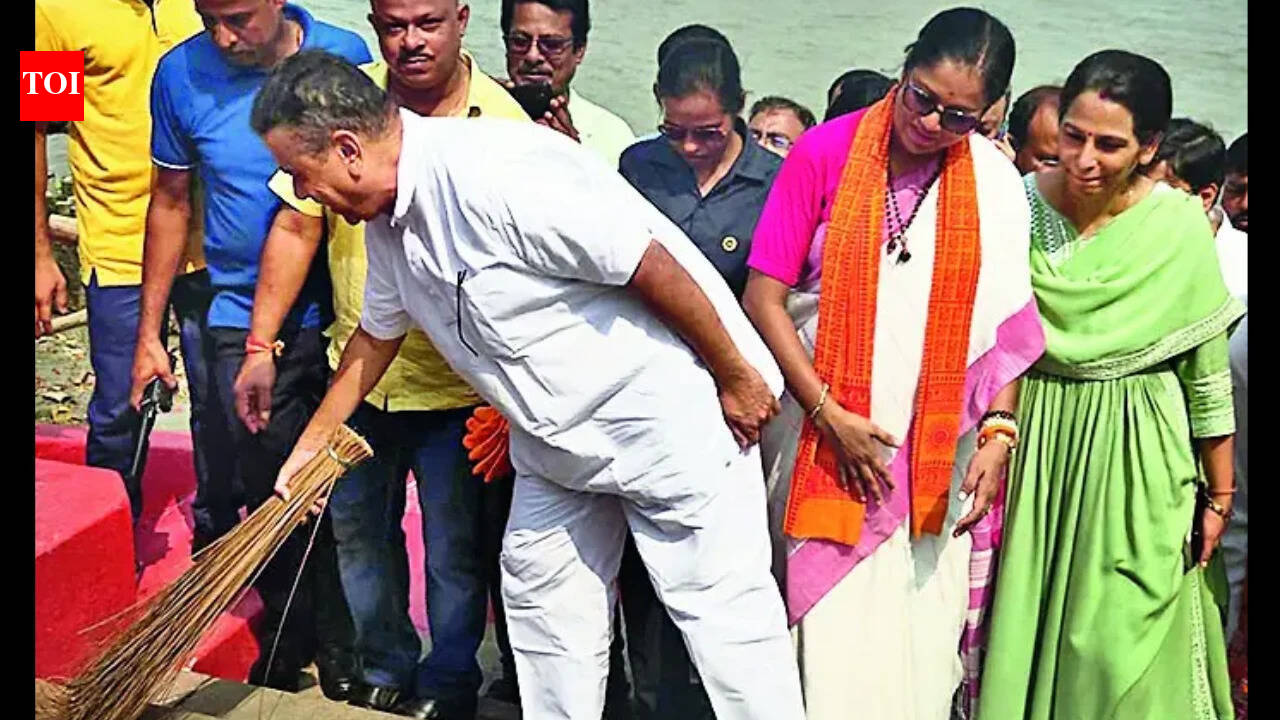
The BJP is transforming the traditional pre-visit cleanup for Prime Minister Narendra Modi's state visits into public 'swachh' (cleanliness) drives, involving citizens and officials in states like Haryana, Odisha, and West Bengal to promote the Swachh Bharat mission.
From VVIP Spruce-ups to Public Movements: Analyzing the BJP's 'Swachh' Strategy
Traditionally, the arrival of a high-ranking official—particularly a Prime Minister—triggers a frantic, often invisible effort by municipal authorities to clean the streets, paint curbs, and hide urban blight. However, the Bharatiya Janata Party (BJP) is currently pivoting this administrative routine into a strategic public campaign. By transforming these pre-visit preparations into organized 'swachh' drives, the party is shifting the narrative from mere bureaucratic compliance to a participatory social movement.
Integration with the Swachh Bharat Mission
This shift is a calculated extension of the Swachh Bharat Abhiyan (Clean India Mission), one of Prime Minister Modi's most successful and visible flagship programs. By aligning state visits with cleanliness drives, the BJP effectively turns every trip into a localized reinforcement of a national goal. Instead of the cleaning being a hidden logistical necessity, it is now presented as a civic duty. This integration ensures that the PM's physical presence in a state serves as a catalyst for the broader ideological goal of a cleaner India, maximizing the political and social utility of each visit.
Regional Execution and the 'Jan Bhagidari' Model
Recent activities in Haryana, specifically ahead of the Prime Minister's visit to Jind, demonstrate this model in action. Rather than relying solely on paid municipal workers, the state launched a statewide drive that encourages citizen participation. Similar patterns have been observed in Odisha and West Bengal, suggesting a standardized operational strategy across different political landscapes. This approach leverages the concept of Jan Bhagidari (people's participation), transforming a top-down government order into a bottom-up community action, which enhances the image of the administration as inclusive and inspiring.
Political Optics and Branding
The political implications of this strategy are significant. By involving the public in the cleanup process, the BJP creates a visual and psychological link between the Prime Minister's visit and the improvement of the local environment. It transforms the 'VVIP culture'—often criticized for being exclusionary—into a shared community experience. The imagery of citizens and officials working side-by-side to prepare for the PM's arrival serves as a powerful branding tool, projecting a message of collective effort and national pride.
The Challenge of Sustainability
Despite the positive optics, the core challenge remains the sustainability of these efforts. A recurring critique of such drives is that they are often 'cosmetic' or 'window-dressing'—temporary bursts of activity that vanish once the VVIP convoy leaves the city. The true measure of success for these initiatives will not be the cleanliness of the streets on the day of the visit, but whether these drives instill a permanent change in civic behavior. If the 'swachh' drives are merely event-based, they risk being perceived as performative politics rather than genuine urban reform.
Future Trends in Political Mobilization
Looking forward, this trend suggests a broader shift in how political parties may utilize state visits. We can expect to see other thematic drives—such as tree planting, water conservation, or digital literacy campaigns—integrated into the itineraries of high-profile leaders. The 'visit' is no longer just about a speech or an inauguration; it is becoming a vehicle for mobilizing the masses around specific policy goals, effectively turning a single day of visitation into a week-long regional campaign.
Conclusion
In summary, the BJP's decision to turn PM Modi's state visits into public cleanliness drives is a sophisticated blend of governance and political communication. By evolving the traditional spruce-up into a public event, the party reinforces its commitment to the Swachh Bharat mission while engaging the citizenry. However, for this strategy to move beyond political theater, the focus must shift from the arrival of the leader to the lasting habit of cleanliness among the people.