Shashi Tharoor appeals to Sonam Wangchuk to break fast, urges government to engage in talks
Source Entity
The Indian Express
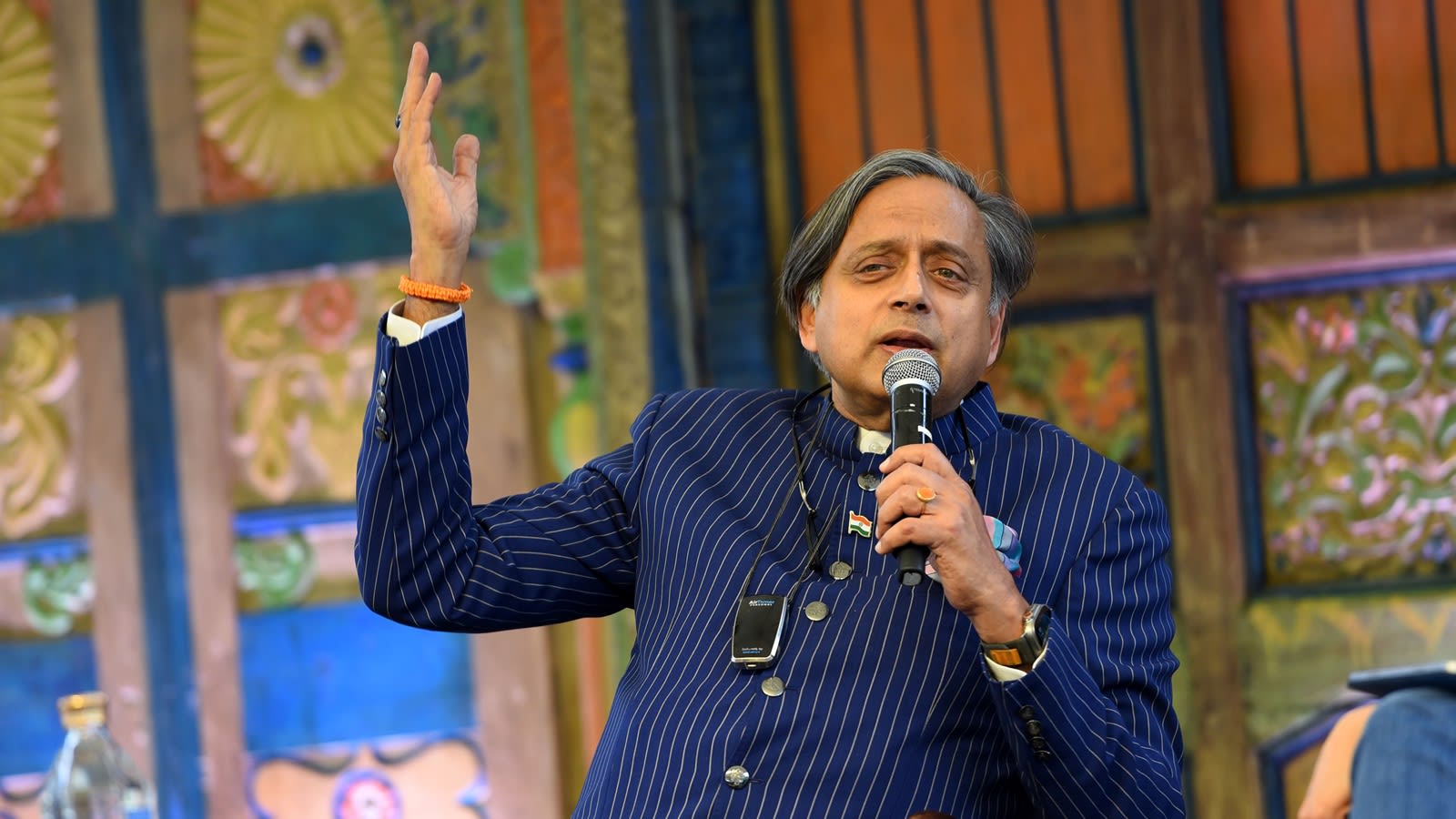
Congress MP Shashi Tharoor has appealed to activist Sonam Wangchuk to end his 18-day hunger strike at Jantar Mantar, while simultaneously urging the central government to initiate a meaningful dialogue to address the activist's demands.
Political Intervention in Ladakh's Struggle: Analysis of Shashi Tharoor's Appeal
In a significant political development, Congress MP Shashi Tharoor has formally exhorted activist Sonam Wangchuk to break his hunger strike, which had entered its 18th day at Jantar Mantar. Tharoor's intervention is twofold: it expresses a humanitarian concern for Wangchuk's deteriorating health while placing a direct demand on the central government to cease its silence and engage in constructive dialogue. This move highlights the growing pressure on the administration to address the grievances of the people of Ladakh, who have been protesting for constitutional safeguards.
The Core of the Conflict: Ladakh's Constitutional Demands
To understand the gravity of Sonam Wangchuk's fast, one must look at the underlying demands that have driven the activist to such an extreme measure. Wangchuk has been a leading voice calling for the inclusion of Ladakh under the Sixth Schedule of the Indian Constitution. The Sixth Schedule provides for the creation of Autonomous District Councils, which would allow indigenous populations to protect their land, forests, and cultural identity through legislative autonomy. For Ladakh, a region of immense strategic importance and ecological fragility, these safeguards are viewed as essential to prevent unplanned industrialization and the erosion of local governance following the reorganization of Jammu and Kashmir in 2019.
Shashi Tharoor's Strategic Positioning
Shashi Tharoor's appeal serves a critical political function. By urging Wangchuk to break his fast, Tharoor is attempting to prevent a potential health tragedy that could further polarize the region and harden the government's stance. Simultaneously, by calling for government engagement, he is positioning the opposition as a bridge between grassroots activism and state authority. This approach reflects a broader strategy of the Congress party to align itself with regional identity movements and ecological preservation, utilizing Tharoor's international standing and diplomatic rhetoric to bring national attention to the Ladakh issue.
The Government's Dilemma and Strategic Silence
The central government's reluctance to engage in direct talks with Wangchuk suggests a complex internal dilemma. While the administration emphasizes the development of Ladakh through infrastructure and security, the demand for the Sixth Schedule implies a loss of direct central control over land and resources. The government's current strategy of silence or indirect communication has historically been used to wait out protests; however, the persistence of Wangchuk's fast, combined with the public endorsement of prominent figures like Tharoor, increases the political cost of continued inaction.
Historical Context of Hunger Strikes in Indian Politics
Wangchuk's use of a hunger strike is a continuation of the Gandhian tradition of non-violent resistance (Satyagraha) which remains a potent tool in Indian political discourse. From the independence movement to various modern civil rights struggles, the fast is designed to create a moral crisis for the ruling power. By occupying Jantar Mantar—the traditional heart of protest in New Delhi—Wangchuk has successfully shifted the narrative from a regional Ladakhi concern to a national conversation about democratic rights and environmental stewardship.
Future Outlook and Potential Resolutions
Moving forward, the trajectory of this standoff depends on whether the government views the protest as a manageable regional grievance or a growing movement that could destabilize a sensitive border region. If the government yields to Tharoor's suggestion and opens a dialogue, it could lead to a compromise—perhaps a 'Sixth Schedule-like' arrangement that provides autonomy without the full legal weight of the Constitution's schedule. However, if the fast continues without government response, it may trigger wider unrest across Ladakh, further alienating the local population and complicating India's strategic posture in the region.
Conclusion
Shashi Tharoor's appeal is more than a plea for health; it is a call for political maturity and administrative responsiveness. The standoff between Sonam Wangchuk and the central government encapsulates the tension between national security interests and local democratic aspirations. The resolution of this crisis will likely set a precedent for how the Indian state handles demands for autonomy in its most remote and strategic territories.