One Nation, One Election will not fix what is broken
Source Entity
VIJAY KELKAR, Ajit Ranade
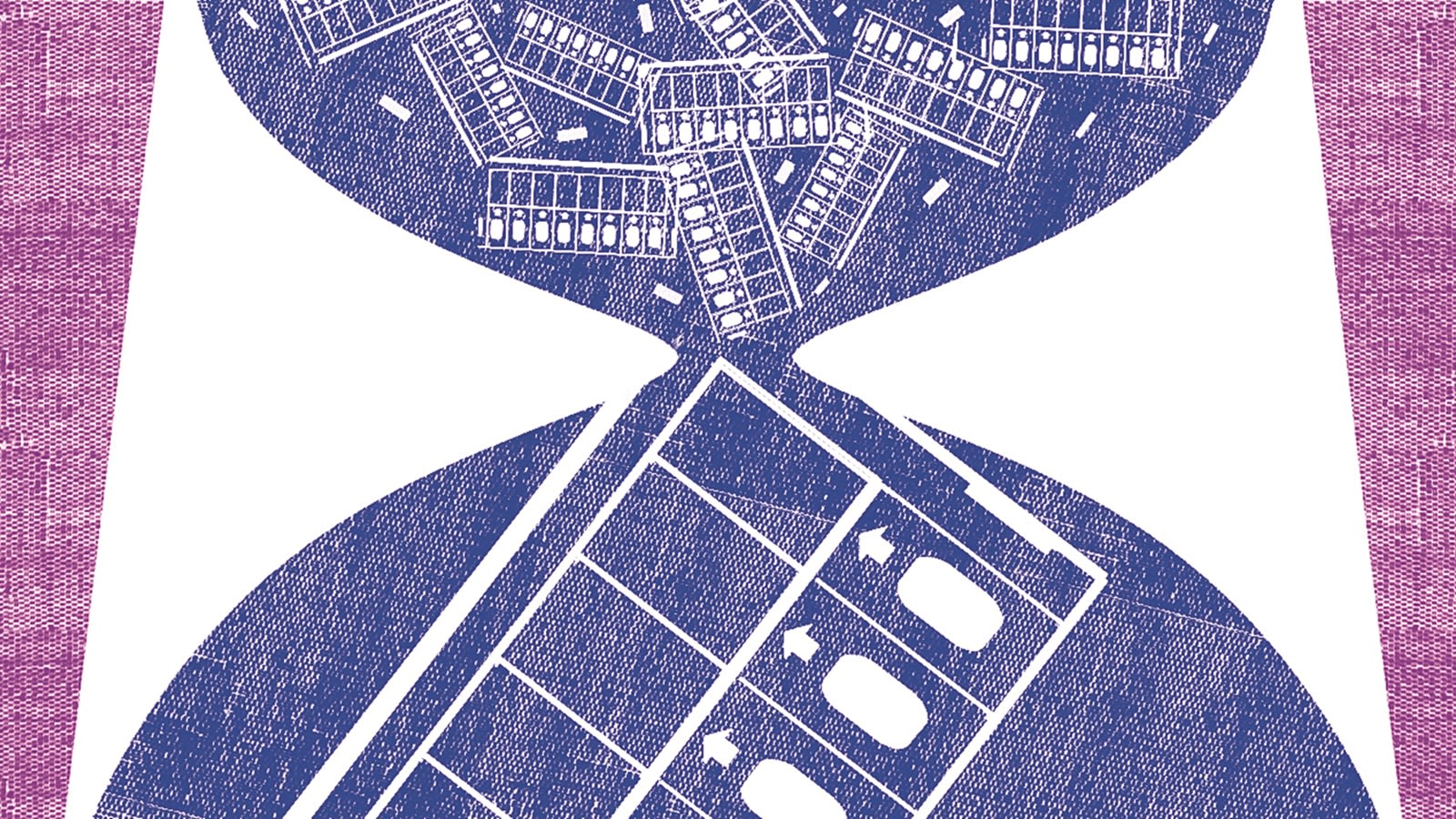
India's Parliament is deliberating the Constitution (One Hundred and Twenty-Ninth Amendment) Bill to implement 'One Nation, One Election,' a proposal to synchronize Lok Sabha and state assembly elections to reduce costs and administrative burdens.
The Pursuit of Synchronicity: Analyzing 'One Nation, One Election'
India is currently standing at a pivotal legislative crossroads with the introduction of the Constitution (One Hundred and Twenty-Ninth Amendment) Bill. The core objective of this ambitious proposal is the implementation of 'One Nation, One Election' (ONOE), a systemic overhaul designed to synchronize the electoral cycles of the Lok Sabha (the lower house of Parliament) and all state legislative assemblies. By inserting a new Article 82A into the Constitution, the government seeks to move away from the current fragmented cycle of elections, which often sees at least one state heading to the polls every few months, toward a unified national voting event every five years.
Historical Context and the Drive for Efficiency
To understand the impetus behind this bill, one must look back at India's early democratic history. Simultaneous elections were actually the norm in India from 1952 until 1967. However, this cycle was broken when several state assemblies were dissolved prematurely due to political instability and the collapse of coalition governments. Since then, India has existed in a state of 'permanent election mode.' The current drive to return to synchronicity is framed primarily as a solution to the immense financial drain and administrative exhaustion caused by frequent polls. The mobilization of security forces and election officials across the country multiple times a year is seen as a logistical nightmare that diverts state resources from governance to campaigning.
The Argument for Governance Over Campaigning
Proponents of the 129th Amendment argue that the current system leads to 'policy paralysis.' Because the Model Code of Conduct (MCC) comes into effect the moment an election is announced, the government is barred from launching new schemes or taking major policy decisions in the affected regions. In a country where elections are constant, this effectively freezes development projects for significant portions of the year. By consolidating elections, the government posits that it can ensure a clear, uninterrupted five-year window for policy implementation and execution, thereby enhancing the overall efficiency of the state machinery and reducing the influence of populist, short-term rhetoric that typically dominates frequent election cycles.
Federalism and the Democratic Dilemma
Despite the promised efficiencies, the proposal faces stiff criticism regarding its impact on India's federal structure. Critics argue that 'One Nation, One Election' could lead to a nationalization of state elections. In a synchronized poll, there is a significant risk that national narratives and the charisma of prime ministerial candidates will overshadow critical local issues, such as regional infrastructure, language rights, and state-specific grievances. This could potentially disadvantage regional parties, which rely on localized campaigning to maintain their relevance. The concern is that the diverse political landscape of India—a union of states with vastly different cultural and political priorities—might be flattened into a monolithic national contest.
Constitutional Hurdles and Future Trends
Implementing this shift is not merely a matter of scheduling but requires complex constitutional gymnastics. The introduction of Article 82A must reconcile with the fixed terms of existing assemblies. If a government falls mid-term, the system must decide whether to hold a fresh election for the remainder of the term or trigger a premature synchronized poll, both of which present legal challenges to the basic structure of parliamentary democracy. Looking ahead, the success of this bill will depend on the government's ability to build a consensus among opposition parties and state governments, as the amendment likely requires ratification by half of the state legislatures.
Summary of Implications
In conclusion, while the 'One Nation, One Election' initiative offers a compelling vision of administrative streamlining and cost reduction, it clashes with the nuanced requirements of a federal democracy. The tension lies between the desire for governance efficiency and the necessity of representative diversity. Whether the 129th Amendment Bill successfully 'fixes' the system or merely simplifies it at the cost of regional political agency remains the central debate of this legislative effort.