Names deleted from Bengal rolls entitled to certain benefits, says Supreme Court
Source Entity
The Indian Express
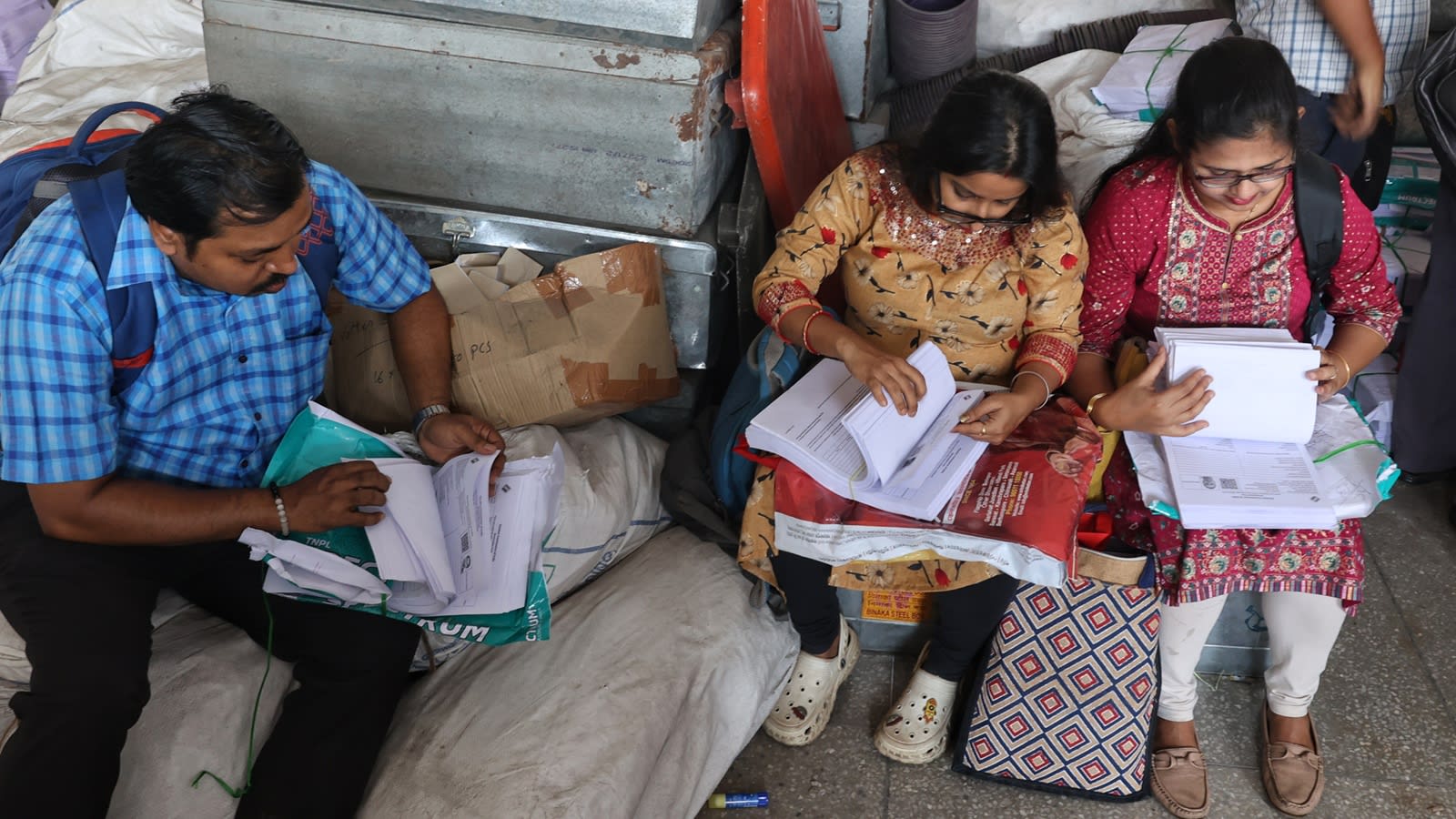
The Supreme Court of India is examining the deletion of names from electoral rolls in West Bengal, focusing on a petitioner's challenge and the role of an SC-mandated appellate tribunal in ensuring voting rights.
Judicial Oversight of Electoral Integrity in West Bengal
The right to vote is a cornerstone of democratic governance, ensuring that the will of the people is accurately reflected in the administration of the state. Recently, the Supreme Court of India has been tasked with addressing a critical concern regarding the deletion of names from the electoral rolls in West Bengal. The core of the current legal dispute centers on a petitioner whose name was removed from the voter list, leading to a challenge that is now pending before an appellate tribunal specifically established by the Supreme Court. This intervention underscores the judiciary's role in safeguarding the franchise against administrative errors or systemic failures.
The Mechanics of Electoral Deletion and Legal Recourse
Electoral rolls are dynamic documents, requiring constant updates to remove deceased individuals or those who have migrated. However, when legitimate voters are removed—either through clerical error or flawed verification processes—it results in disenfranchisement. In this specific case, the petitioner has sought relief through an appellate tribunal. The existence of such a tribunal, mandated by the Supreme Court, serves as a vital procedural safeguard. It ensures that the removal of a citizen's name from the rolls is not an arbitrary administrative act but one subject to due process and judicial review, allowing citizens to prove their eligibility and reclaim their right to vote.
Contextualizing Voter List Disputes in West Bengal
West Bengal has a long history of intense political competition and complex demographic shifts, which often make the maintenance of electoral rolls a contentious issue. Disputes over "ghost voters" or the wrongful exclusion of specific demographics are frequently raised during election cycles. By intervening in the deletion process, the Supreme Court is addressing a recurring friction point in the state's political landscape. The court's observation regarding those "entitled to certain benefits" suggests that the deletion of a name from the electoral roll may have cascading effects, potentially impacting a citizen's access to other state-sponsored rights or benefits tied to residency and citizenship verification.
The Role of the Supreme Court as a Democratic Arbiter
The Supreme Court's decision to oversee the appellate process reflects its broader commitment to ensuring "free and fair elections," a basic structure of the Indian Constitution. When the Election Commission or state authorities conduct mass deletions, the potential for error increases. By maintaining an appellate tribunal, the Court provides a mechanism to correct these errors before they can impact the outcome of an election. This judicial oversight prevents the weaponization of electoral rolls, where political opponents might attempt to purge legitimate voters from specific constituencies to tilt the scales of power.
Broader Implications for Voter Rights
This case highlights the tension between the need for "clean" electoral rolls and the necessity of inclusive voting. While the state has a legitimate interest in removing ineligible voters to prevent fraud, the burden of proof must not be so onerous that it disenfranchises genuine citizens. The petitioner's struggle to have their name restored serves as a microcosm of the challenges faced by many voters who lack the legal literacy or resources to navigate the bureaucracy of the Election Commission. The court's attention to this matter signals that administrative efficiency cannot come at the cost of fundamental constitutional rights.
Predicting Future Trends in Electoral Litigation
Moving forward, it is likely that we will see an increase in litigation surrounding the digitalization of voter lists and the use of AI or automated software for data scrubbing. As the process becomes more automated, the risk of systemic "algorithmic" deletions increases. The precedent set by the Supreme Court in the West Bengal matter—specifically the insistence on a functional appellate tribunal—will likely become the gold standard for how other states handle voter list disputes. We can expect the judiciary to demand greater transparency in the criteria used for deletions and a more streamlined process for restoration.
Summary of Findings
In conclusion, the Supreme Court's engagement with the deletion of names from West Bengal's electoral rolls is a critical move to protect the democratic process. By focusing on the petitioner's appeal and the functionality of the appellate tribunal, the Court is reinforcing the principle that no citizen should be deprived of their vote without a fair hearing. This case not only resolves an individual's grievance but also sets a necessary check on the administrative powers of electoral authorities, ensuring that the integrity of the ballot remains intact.