Judge: Trump can’t deport researchers just for working in content moderation
Source Entity
Ashley Belanger
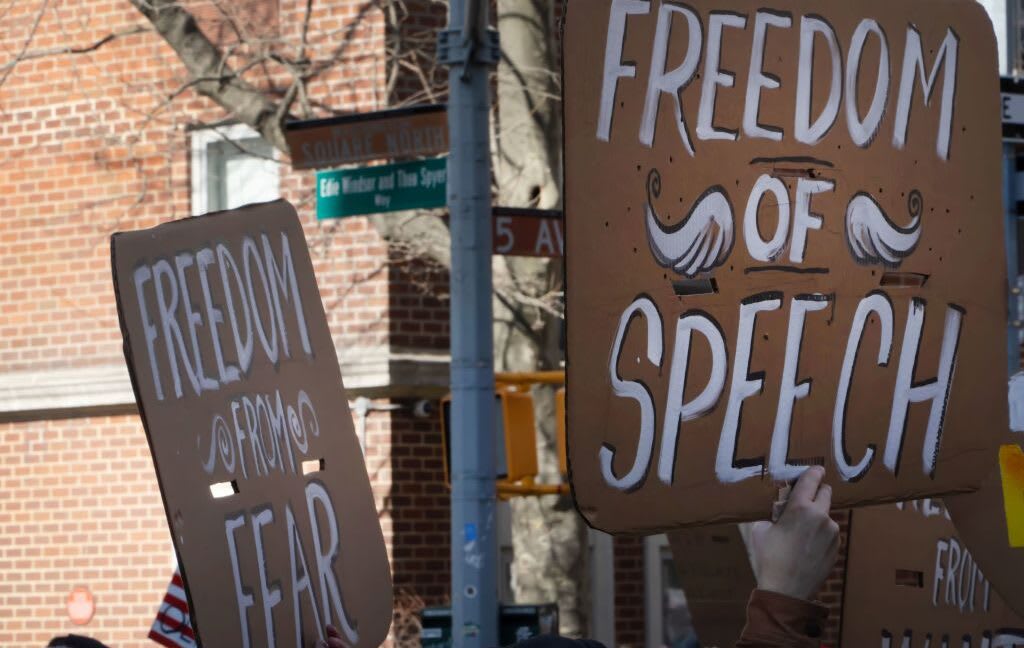
A judge has blocked efforts by the Trump administration to deny visas or deport researchers specifically because of their professional involvement in content moderation, a ruling hailed by the disinformation research community.
Legal Safeguards for Digital Truth: Analyzing the Block on Researcher Deportations
In a significant legal victory for the academic and technical communities, a judge has ruled that the Trump administration cannot utilize deportation or visa denials as a tool to penalize researchers working in the field of content moderation. This ruling addresses a critical intersection of immigration law, executive authority, and the First Amendment, effectively establishing that professional work dedicated to analyzing and moderating digital content does not constitute a valid legal basis for removal from the United States. The decision serves as a shield for specialists who study the mechanics of disinformation, ensuring that their professional activities are not weaponized against their legal residency status.
The Legal Conflict: Executive Power vs. Professional Freedom
At the heart of this case is the tension between the executive branch's broad authority over immigration and the protection of professional expression. Typically, visa denials are predicated on national security threats or criminal activity. However, by targeting individuals specifically for their work in content moderation, the administration attempted to expand the definition of "detrimental" activity to include the policing of digital speech—often speech that the administration itself found favorable. The court's intervention suggests that targeting a specific profession for its ideological or systemic function in the digital ecosystem is arbitrary and exceeds the legal bounds of immigration enforcement.
Implications for the Global Fight Against Disinformation
The ability to study disinformation without fear of state-sponsored retaliation is paramount for the health of global democratic institutions.
Disinformation researchers often operate at the vanguard of identifying foreign interference and coordinated inauthentic behavior. By attempting to deport these experts, the administration risked creating a "chilling effect," where researchers might avoid studying sensitive political topics to protect their visas. This ruling ensures that the US remains a hub for critical digital forensics. If researchers were deported based on their professional focus, the resulting brain drain would leave social media platforms and government agencies more vulnerable to sophisticated influence operations, as the expertise required to dismantle these networks is highly specialized and global in nature.
Historical Context of the "Fake News" Friction
This legal battle is a direct extension of the long-standing friction between Donald Trump and the entities he labeled as "fake news" or "biased." Throughout his tenure, the administration frequently clashed with fact-checkers and moderation teams, viewing the removal of disinformation as a form of political censorship. By extending this conflict to the visa process, the administration sought to purge the domestic research environment of those who critically analyzed the spread of misinformation. This ruling effectively decouples political grievances from immigration status, asserting that a researcher's professional methodology cannot be equated with a violation of visa terms.
Future Trends: Precedents for Specialized Visa Holders
Looking forward, this decision sets a vital precedent for other specialized visa holders, such as H-1B or O-1 applicants, who work in sensitive or politically charged sectors. It signals to future administrations that the "national interest" waiver or denial process cannot be used as a proxy for political purging. We can expect to see similar legal challenges if governments attempt to target researchers in fields like climate science or public health. The ruling reinforces the principle that professional expertise, even when it challenges the narrative of the sitting government, is a protected activity rather than a deportable offense.
Conclusion
Ultimately, the judge's ruling is more than a victory for a small group of researchers; it is a victory for the principle of academic and professional independence. By blocking the deportation of content moderation experts, the court has affirmed that the pursuit of digital truth and the study of disinformation are legitimate professional endeavors that cannot be criminalized through immigration policy. This ensures that the intellectual infrastructure necessary to safeguard the digital public square remains intact and protected from political volatility.