World Cup gave bars and restaurants a needed boost as consumers flash warning signs, Fed says
Source Entity
US Top News and Analysis
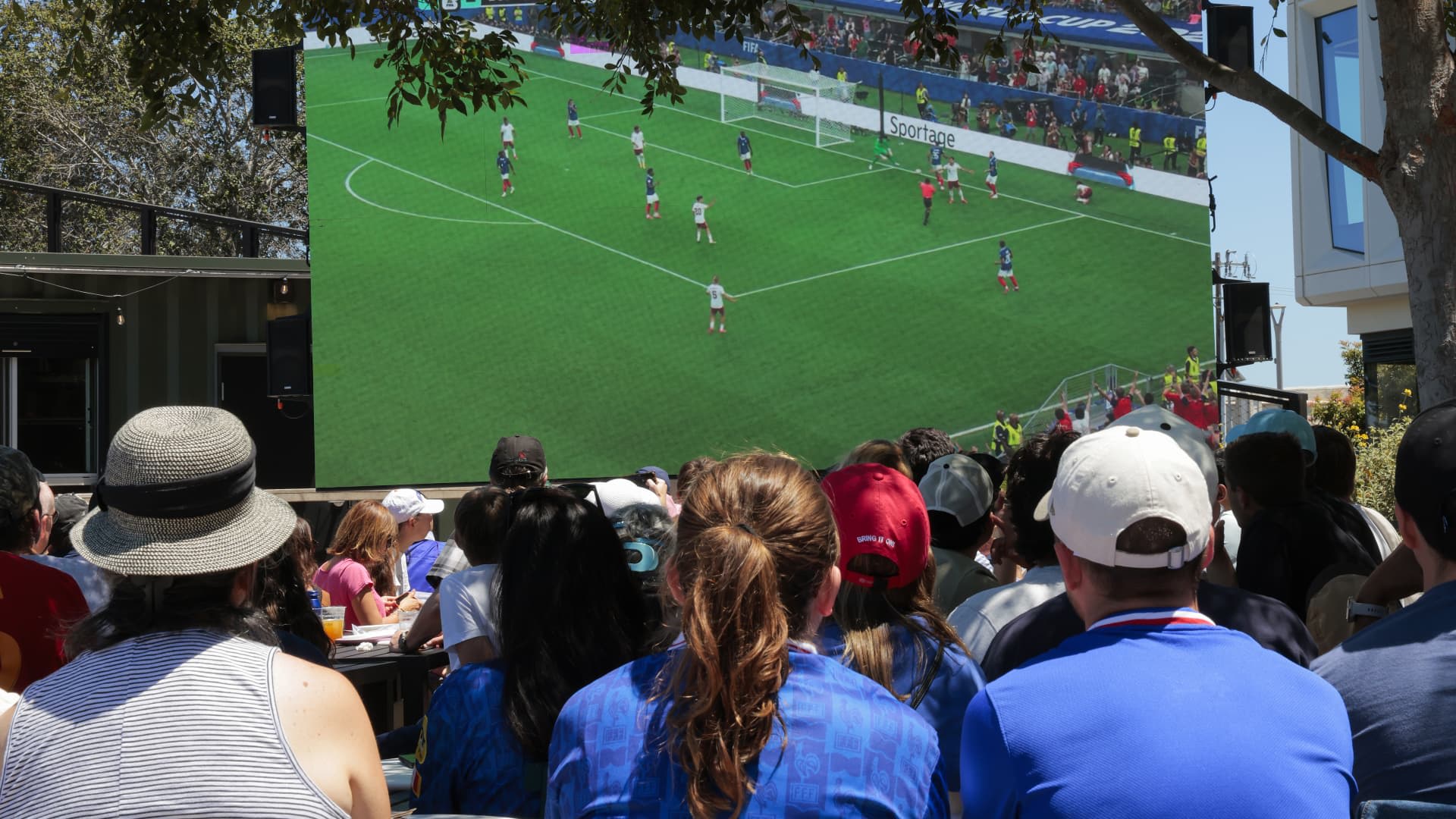
The Federal Reserve's latest beige book indicates that while the World Cup provided a temporary revenue surge for bars and restaurants, this localized boost has not translated into systemic economic growth, coinciding with broader warning signs regarding consumer spending.
Event-Driven Spikes vs. Systemic Growth: Analyzing the Fed's Beige Book
The intersection of global sporting events and macroeconomic health often creates a deceptive veneer of prosperity. According to the latest Federal Reserve "beige book," the World Cup served as a critical, albeit temporary, lifeline for the hospitality sector—specifically bars and restaurants. While these establishments saw a marked increase in foot traffic and revenue, the Federal Reserve warns that this surge is an isolated phenomenon rather than a signal of a robust economic recovery. This distinction is crucial for policymakers and investors who must differentiate between event-driven consumption and sustainable organic growth.
The Role of the Beige Book in Economic Forecasting
To understand the gravity of this report, one must first understand the nature of the "beige book." Published eight times a year, this document provides a qualitative assessment of current economic conditions across the twelve Federal Reserve districts. Unlike quantitative data sets (such as GDP or CPI), the beige book relies on anecdotal evidence from business contacts, economists, and market experts. When the Fed highlights that the World Cup's benefits are confined to specific niches, it is signaling that the "boots on the ground" perspective reveals a fragility in the broader consumer base that hard data might not immediately capture.
The Hospitality Surge: A Localized Victory
Bars and restaurants are the primary beneficiaries of the World Cup due to the social nature of soccer fandom. The tournament creates a concentrated period of "experience spending," where consumers are more willing to allocate funds toward communal viewing parties, themed menus, and increased alcohol consumption. For many small business owners in the hospitality sector, these spikes can provide a necessary cash flow cushion to cover fixed costs. However, as the Fed notes, this is a transient boost. Once the final whistle blows, the demand returns to baseline levels, meaning the growth is not additive to the long-term trajectory of the industry but is instead a temporary shift in timing.
Decoding the "Warning Signs" of the Consumer
Parallel to the World Cup excitement, the Federal Reserve is observing "warning signs" from consumers. This suggests a tightening of belts in non-event-related spending. When consumers prioritize a high-profile event like the World Cup while cutting back on other discretionary purchases, it often indicates a psychological shift toward "selective spending." This behavior typically emerges when inflation erodes purchasing power or when economic uncertainty leads households to prioritize specific experiences over general consumption. The fact that the World Cup did not lift the broader economic tide suggests that the average consumer is feeling a squeeze on their disposable income.
The Disconnect from Broader Economic Growth
For a sporting event to translate into broader economic growth, the "multiplier effect" must take hold. This occurs when the increased revenue in bars and restaurants leads to higher wages for staff, who then spend that money in other sectors, creating a ripple effect throughout the economy. However, the Fed's analysis suggests this multiplier is currently muted. The lack of broader translation implies that the gains are either being used to pay down existing debts or are being absorbed by rising operational costs (such as labor and raw materials) rather than fueling new investment or expanded consumption across other industries.
Future Implications and Policy Outlook
Looking ahead, the Fed's observation serves as a cautionary tale against overestimating short-term retail spikes. If the broader consumer base continues to flash warning signs, the Federal Reserve may have to weigh these signals heavily when determining interest rate pivots. A temporary boost from a global tournament can mask underlying weakness, potentially delaying necessary policy adjustments. Experts predict that unless there is a fundamental shift in consumer confidence or a reduction in inflationary pressures, the economy will remain vulnerable to stagnation once the excitement of major global events fades.
Conclusion
In summary, while the World Cup provided a welcome financial injection for the hospitality industry, it functioned as a tactical win rather than a strategic victory for the economy. The Federal Reserve's beige book clarifies that event-based spending is not a substitute for systemic health. The disconnect between the bustling atmosphere of World Cup bars and the broader warning signs of consumer fatigue highlights a precarious economic balance that requires careful monitoring in the coming quarters.