United earnings top estimates but airline expects $6 billion in added fuel costs
Source Entity
US Top News and Analysis
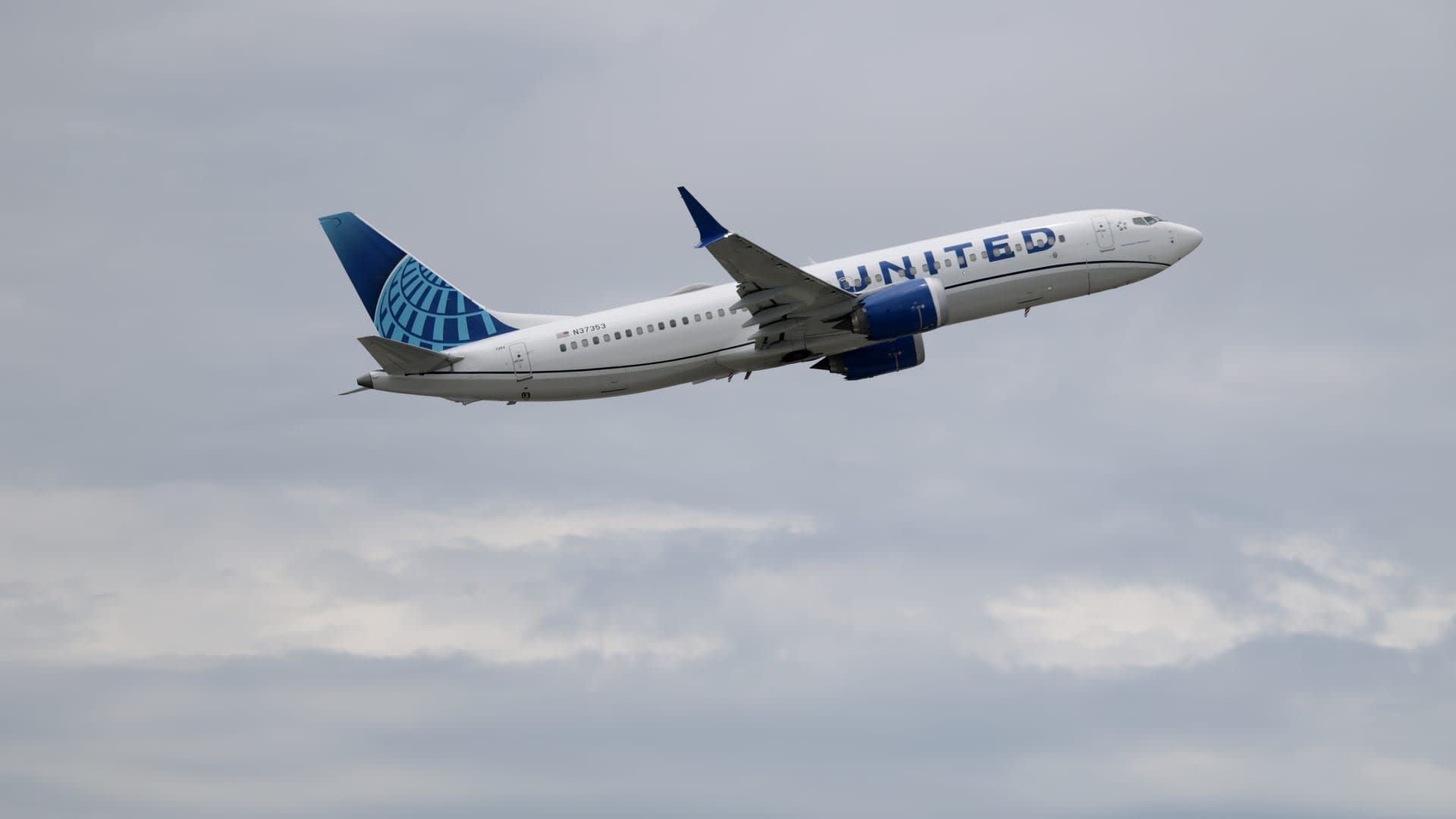
United Airlines exceeded earnings expectations driven by strong demand across premium, corporate, and basic economy segments, as well as growth in both domestic and international travel, though the company warns of a projected $6 billion increase in fuel costs.
United Airlines: Balancing Record Revenue Against Energy Volatility
United Airlines has reported a financial performance that exceeds market expectations, highlighting a resilient and diversifying demand for air travel. Despite the inherent volatility of the global economy, the airline has managed to push its revenue beyond projections, signaling a strong recovery and a sophisticated adaptation in its pricing models. However, this success is tempered by a significant looming shadow: a projected $6 billion increase in fuel costs, which threatens to erode the gains made through increased ticket sales and operational efficiency.
Strategic Revenue Diversification
A key driver of this earnings beat is United's successful diversification of its seating and pricing tiers. By maximizing revenue from premium and corporate travel—segments that typically offer higher margins—the airline has effectively captured the "return to office" trend and the burgeoning luxury leisure market. Simultaneously, the growth in "no-frills" basic economy tickets allows the airline to capture price-sensitive travelers, ensuring high load factors across all cabin classes. This multi-pronged approach allows United to optimize its revenue per available seat mile (RASM) regardless of the passenger's budget, creating a robust buffer against fluctuations in any single market segment.
Global Market Expansion
The report highlights growth in both domestic and international trips, suggesting a comprehensive global recovery in travel. International travel, which often carries higher premiums and longer durations, has been a critical component of United's revenue surge. The ability to scale operations across both markets indicates a robust operational capacity and a successful navigation of the post-pandemic travel landscape. By capturing both the short-haul domestic commuter and the long-haul international tourist, United has stabilized its income streams across different geographic regions.
The Burden of Fuel Costs
The most critical challenge facing United is the projected $6 billion in added fuel costs. Jet fuel is one of the most volatile and significant expenses for any major airline, and a cost increase of this magnitude suggests that United is grappling with rising crude oil prices or systemic supply chain inefficiencies. This projection indicates that while the airline is excelling at generating top-line revenue, it remains highly vulnerable to external commodity shocks that are beyond its direct control. This creates a precarious balance where operational success in sales can be quickly neutralized by macroeconomic pressures in the energy sector.
Economic Implications for Consumers
The tension between record revenues and skyrocketing fuel costs likely means that consumers will see these expenses passed down through "fuel surcharges" or higher base fares. Historically, airlines have utilized these mechanisms to protect their margins during energy crises. If United cannot find internal operational efficiencies to offset the $6 billion burden, the very growth they are seeing in basic economy could be threatened. As tickets become less affordable for the lowest-income travelers, the airline may see a shift in its revenue mix, potentially leaning more heavily on premium segments to maintain profitability.
Future Strategic Outlook
Moving forward, United will likely prioritize fleet modernization to improve fuel efficiency. Investing in next-generation aircraft that consume less fuel per seat is the only long-term structural solution to the volatility of energy markets. Additionally, the airline may explore more aggressive fuel hedging strategies to lock in prices and avoid the sudden shocks mentioned in their earnings report. The success of these initiatives will determine whether the current earnings beat is a sustainable trend or a temporary peak before a fuel-driven downturn.
Conclusion
In summary, United Airlines finds itself in a paradoxical position: it is more successful than ever at attracting a diverse range of passengers and maximizing revenue across all markets, yet it remains hostage to the global energy market. The $6 billion fuel cost projection serves as a stark reminder that in the aviation industry, top-line growth is not a guarantee of bottom-line stability. The airline's ability to maintain its growth trajectory will depend entirely on its capacity to balance luxury demand with the harsh reality of rising overhead costs.