Sumul Dairy polls: 7 out of 9 seats see ‘100% polling’
Source Entity
The Indian Express
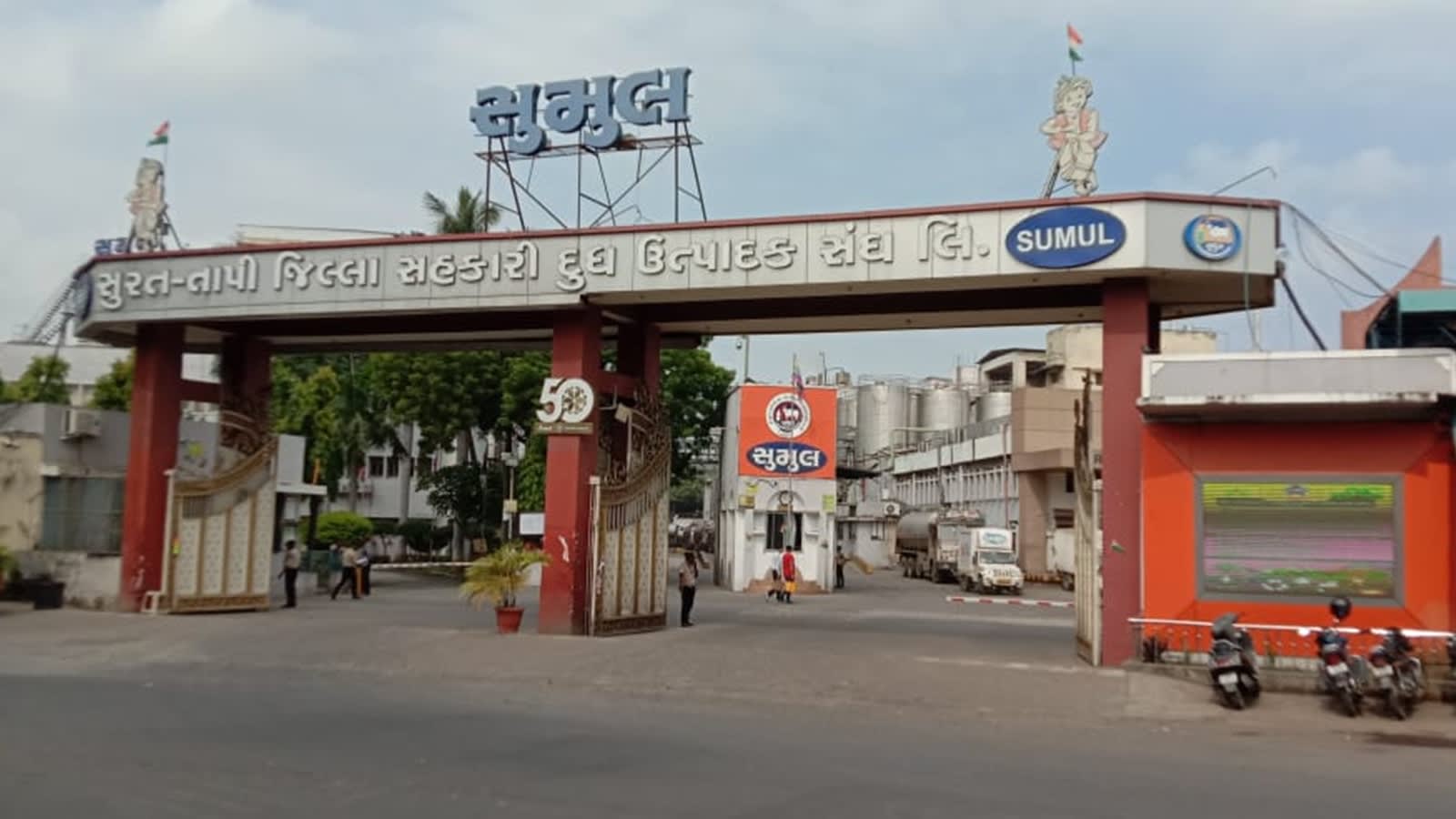
Sumul Dairy recorded an extraordinary voter turnout in its recent elections, with 7 out of 9 contested seats seeing 100% polling. This high engagement occurs within a massive cooperative structure boasting an annual turnover of ₹6,500 crore and a network of over 2.5 lakh farmers across Surat and Tapi.
Analysis of the Sumul Dairy Cooperative Elections
Unprecedented Democratic Engagement
The recent electoral proceedings at Sumul Dairy have highlighted a remarkable level of participation, with 7 out of 9 contested seats reporting a 100% polling rate. In the context of cooperative elections, such a statistic is extraordinary and suggests a high degree of mobilization among the member-farmers. This absolute turnout indicates that the stakes of the election were perceived as critical by the stakeholders, reflecting a deep-seated interest in who steers the administrative and financial direction of the dairy. Such engagement often stems from the direct impact that cooperative leadership has on the procurement prices and dividends received by the farmers.
The Economic Powerhouse of South Gujarat
To understand why these polls carry such weight, one must look at the financial scale of Sumul Dairy. With an annual turnover of ₹6,500 crore, Sumul is not merely a local collective but a significant economic engine in the region. This massive turnover underscores the dairy's role in the supply chain, processing and marketing milk and milk products on a scale that influences regional market prices. For the 2.5 lakh associated farmers in Surat and Tapi, the dairy serves as the primary gateway to the market, making the election of its directors a matter of financial survival and prosperity.
Governance Structure and Board Dynamics
The governance of Sumul Dairy is structured around a 19-member board of directors, which includes three nominated members. This hybrid model of elected and nominated leadership is designed to balance grassroots democratic representation with expert or strategic oversight. The contest for the remaining seats is where the primary tension lies, as elected directors act as the direct voice of the farmers. The transition of power within this board can lead to shifts in policy regarding infrastructure investment, technology adoption in milk chilling centers, and the distribution of surpluses among the member farmers.
Regional Socio-Economic Implications
The geographic footprint of Sumul, spanning the districts of Surat and Tapi, integrates a diverse array of rural producers into a single economic unit. By aggregating the output of over 2.5 lakh farmers, the cooperative provides a safety net against the volatility of private milk procurement. The high voter turnout in these specific districts suggests a strong sense of community ownership and a desire to maintain the cooperative's stability. The success of Sumul is intrinsically linked to the rural economy of South Gujarat, where the dairy's operational efficiency directly correlates with the living standards of thousands of farming households.
Future Outlook and Strategic Challenges
Looking forward, the newly elected leadership will inherit a massive operation that must navigate the challenges of scaling a ₹6,500 crore business while maintaining the trust of its vast member base. The primary challenge will be ensuring that the high enthusiasm seen during the polls translates into productive governance. Future trends likely include a push toward digitalization of milk collection and a diversification of product lines to increase value addition. As the dairy continues to grow, the balance between commercial viability and the cooperative ethos of farmer welfare will remain the central point of contention for the board.
Conclusion
The Sumul Dairy polls serve as a potent example of the intersection between rural democracy and large-scale agribusiness. The 100% polling in the majority of seats is a testament to the farmers' recognition of the cooperative's pivotal role in their livelihoods. With a massive financial footprint and a wide regional reach, the outcome of these elections will inevitably shape the dairy's trajectory and the economic health of the farming communities in Surat and Tapi.