
The End of the Open Mine
For decades, the global mining model followed a predictable, linear path: developed nations provided the capital and technology to extract raw materials from the Global South, shipping the ore across oceans to be refined in a handful of industrial hubs. This arrangement served the buyers well, keeping the high-value processing stages—and the accompanying profits—concentrated in a few geographic pockets. That era is dead. Today, we are witnessing a systemic pivot where mineral-rich nations are no longer content to be the world's quarry. They are leveraging their geological endowments to force a redistribution of industrial power.
What does this actually look like on the ground? It looks like export bans, mandatory domestic processing requirements, and the aggressive renegotiation of mining contracts. This isn't just about raising prices; it is about capturing the entire value chain. By refusing to export raw ores, these nations are compelling foreign investors to build refineries, battery plants, and semiconductor facilities on their own soil. They are trading raw commodities for industrialization, fundamentally altering how national wealth is generated and sustained in the 21st century.
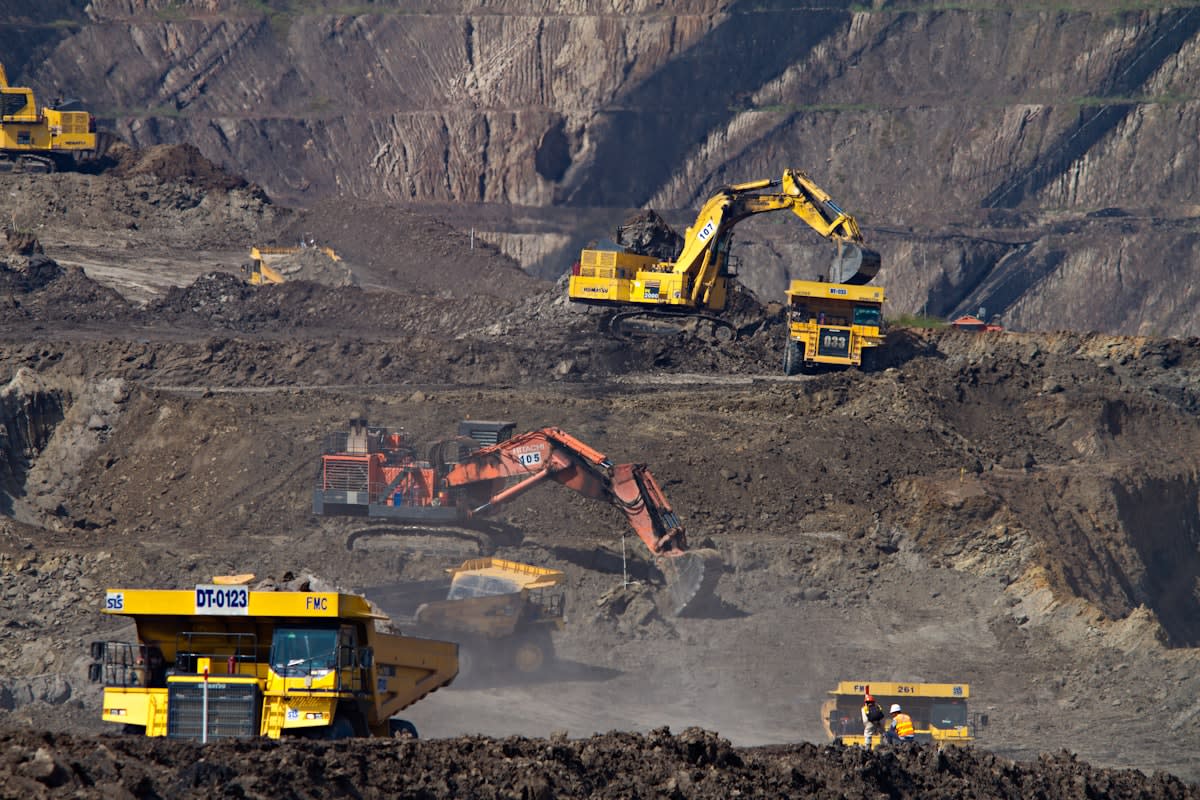
Why is this happening now? The catalyst is the global energy transition. The shift toward electric vehicles and renewable energy grids has transformed minerals like lithium, cobalt, nickel, and rare earths from niche industrial inputs into the new oil. When a resource becomes a matter of national security for the rest of the world, the owners of that resource suddenly hold an unprecedented amount of leverage. This shift has turned geology into the ultimate geopolitical weapon, allowing smaller nations to dictate terms to global superpowers.
The Trend Delta
Twelve months ago, the conversation centered on supply chain disruptions and 'securing' sources. Today, the narrative has shifted toward 'strategic sovereignty.' The focus is no longer just on getting the minerals, but on who controls the chemistry and the processing that turns a rock into a battery.
The Southeast Asian Blueprint
Indonesia provides the most aggressive and successful case study in this new resource nationalism. By implementing a strict ban on the export of raw nickel ore, Jakarta sent a clear message to the world: if you want our nickel, you build your factories here. This wasn't a request; it was a mandate. The result has been a surge in foreign direct investment, particularly from China, as companies rushed to build High-Pressure Acid Leaching (HPAL) plants to convert nickel into battery-grade chemicals.
Does this strategy carry risks? Absolutely. It creates friction with trading partners and relies heavily on the ability to attract the right kind of capital. However, the economic payoff is undeniable. Indonesia has moved from being a price-taker in the raw materials market to a central player in the global EV battery ecosystem. They are not just exporting a mineral; they are exporting a refined product with a significantly higher profit margin, effectively decoupling their wealth from the volatile swings of raw commodity pricing.
"We are seeing a transition from 'extraction economics' to 'industrial economics.' The goal is no longer to maximize the volume of ore leaving the port, but to maximize the complexity of the product leaving the factory."— Industry Analyst, Global Commodities Group
This blueprint is now being studied and adapted across other regions. From the copper belts of Africa to the lithium flats of South America, the logic remains the same. Why sell the dirt for pennies when you can sell the battery for dollars? This shift forces a complete rethink of global trade dynamics, as the traditional 'comparative advantage' of the Global North—their superior processing infrastructure—is being systematically eroded by state-led mandates in the Global South.
The Lithium Triangle and State Control
In the 'Lithium Triangle' of Chile, Argentina, and Bolivia, the approach is more varied but equally focused on sovereignty. Chile has recently moved toward a model of state-led partnerships, seeking greater government control over the strategic development of its lithium reserves. This isn't a wholesale nationalization in the 1970s sense, but rather a sophisticated 'public-private' partnership where the state retains a majority stake and a say in how the resource is utilized.
Bolivia has taken an even more hardline approach, emphasizing state ownership to avoid the 'resource curse' that plagued previous mining booms. By attempting to develop their own extraction technology and processing capabilities, they aim to avoid the trap of becoming mere suppliers to foreign conglomerates. While this has slowed the pace of production compared to their neighbors, the long-term goal is total autonomy over their economic destiny.
| Mineral | Primary Control Shift | Strategic Objective | Estimated Demand Growth (2030) |
|---|---|---|---|
| Nickel | Export Bans (Indonesia) | Domestic Battery Hubs | 150% |
| Lithium | State Partnerships (Chile) | Value-Chain Integration | 400% |
| Cobalt | Contract Renegotiation (DRC) | Fair Pricing & Refining | 200% |
| Rare Earths | Quota Management (China) | Market Dominance | 300% |
This regional shift creates a complex puzzle for global automakers and tech giants. They can no longer simply sign a contract with a mining company; they must now negotiate with sovereign states. These governments are increasingly demanding more than just royalties. They want technology transfers, infrastructure investments, and guaranteed employment for their citizens. The 'cost of doing business' now includes a significant investment in the host country's industrial future.
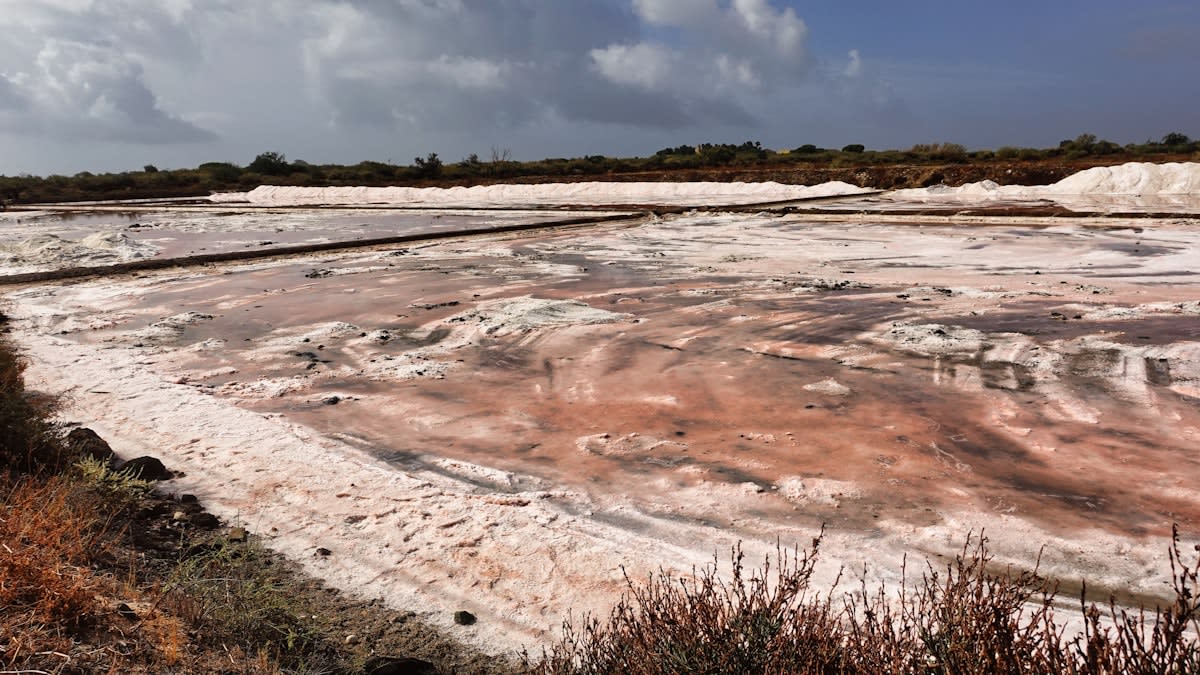
As these nations consolidate their power, the traditional levers of economic influence—such as loans from international financial institutions—are losing their efficacy. When you possess a mineral that the entire world needs for its survival and its energy goals, you don't need to beg for loans; you can attract investment on your own terms. This represents a fundamental shift in the global power balance, moving wealth from the financial centers of the North to the geological centers of the South.
The Western Response: De-risking or Re-shoring?
The United States and the European Union have not remained passive observers. The U.S. Inflation Reduction Act (IRA) and the EU's Critical Raw Materials Act are direct responses to this new era of resource nationalism. These policies are designed to reduce dependence on any single source—particularly China—by incentivizing domestic mining and processing. However, the West faces a steep climb. Building a refinery is not as simple as passing a law; it requires environmental permits, specialized labor, and a tolerance for industrial pollution that many Western voters no longer possess.
This creates a paradoxical situation. While the West wants to 'de-risk' its supply chains, it is simultaneously competing with the very resource nationalism it fears. By offering massive subsidies to bring processing home, the U.S. and EU are effectively engaging in their own form of resource nationalism. They are trying to build a 'closed loop' system that bypasses the volatile politics of the Global South, but this strategy is expensive and slow.
Projected Critical Mineral Demand (2024-2030)
Executive Insight
+18.4%
YTD Growth
Can the West actually compete with the speed of Indonesian or Chinese industrialization? The challenge is structural. The Global South is operating with a sense of urgency and a willingness to integrate state power with industrial goals. The West, conversely, is operating within a framework of market capitalism and stringent regulatory hurdles. This delta in operational speed is where the real battle for mineral wealth is being fought.
Furthermore, the attempt to 're-shore' is often a misnomer. No single country has all the necessary minerals. The goal is shifting from 'total independence' to 'friend-shoring'—creating a network of trusted partners who agree to share resources and processing capabilities. This is the new diplomacy: not based on ideology or military alliances, but on the shared need for cobalt, lithium, and neodymium.
Toward a New Equilibrium
We are moving toward a multipolar mineral economy. The old world of a few dominant buyers and many passive sellers is being replaced by a system of strategic blocs. In this new environment, wealth is not measured simply by the amount of ore in the ground, but by the ability to process that ore into a high-value component. The nations that successfully bridge the gap from extraction to manufacturing will be the new economic superpowers of the green age.
This transition is not without friction, but it offers a rare opportunity for genuine economic diversification in the Global South. If managed correctly, resource nationalism can be a tool for sustainable development rather than a catalyst for corruption. The key lies in whether these nations can move beyond the 'rent-seeking' behavior of the oil era and actually build a durable industrial base that survives the eventual discovery of mineral substitutes.
Ultimately, the race for critical minerals is a race for resilience. The world is learning that efficiency—the hallmark of the just-in-time global supply chain—is the enemy of security. As we redefine wealth in the context of the energy transition, the most valuable asset will not be the mineral itself, but the strategic autonomy to control its journey from the earth to the end product.