Invaders sought to destroy India’s Sanatan heritage: Yogi
Source Entity
Latest News: Todays Latest News Headlines from India & World | Hindustan Times | Hindustan Times
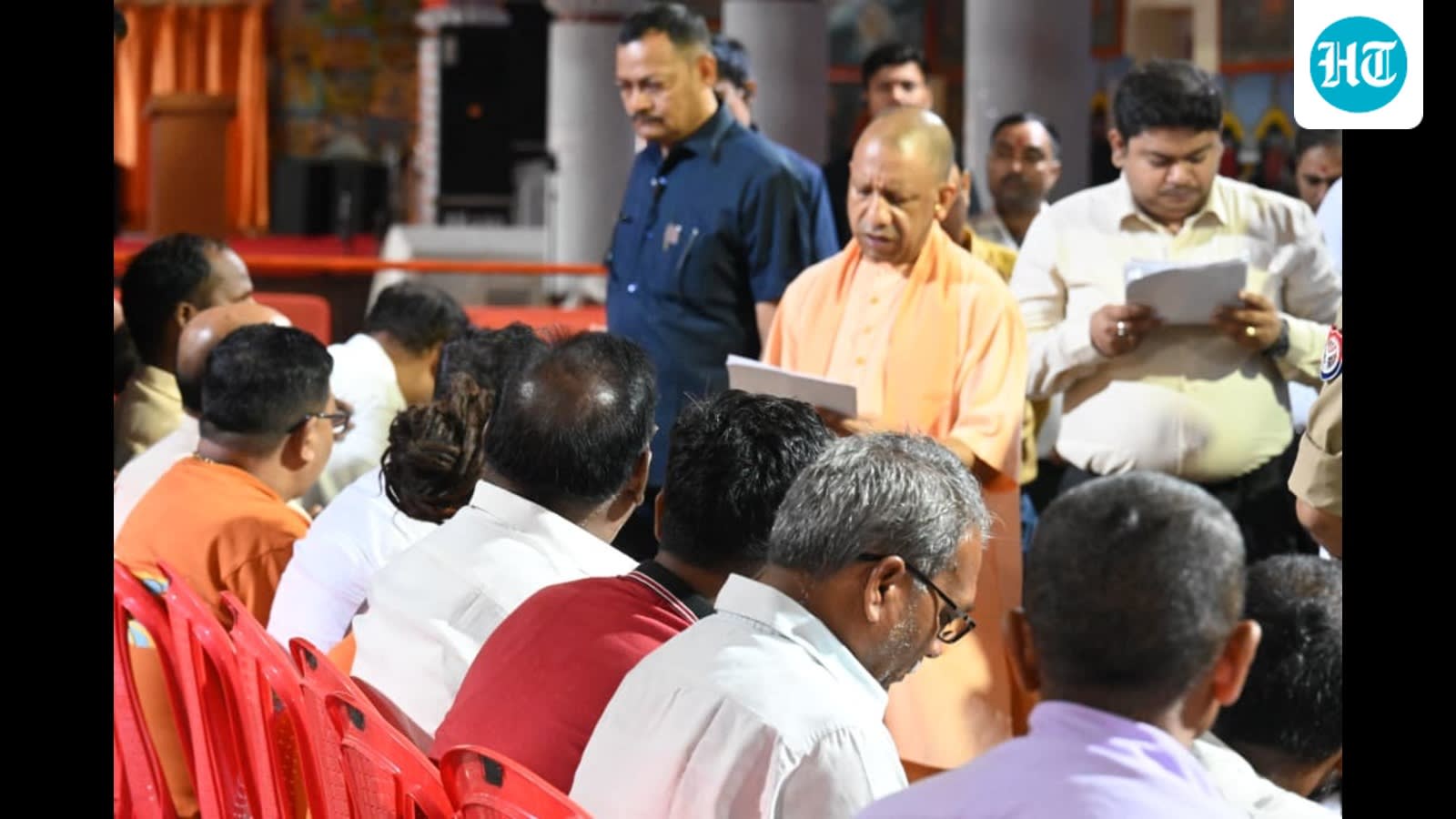
Uttar Pradesh CM Yogi Adityanath stated that historical invaders like Mahmud Ghaznavi aimed to dismantle India's Sanatan tradition rather than just loot wealth. He further criticized British colonial policies for attempting to alienate Indians from their indigenous knowledge systems and languages.
The Ideological Dimensions of Historical Invasion
Uttar Pradesh Chief Minister Yogi Adityanath recently addressed a seminar at the Gorakhnath temple, where he offered a revisionist perspective on the motivations behind foreign invasions in Indian history. By focusing on Mahmud Ghaznavi’s 11th-century raid on the Somnath temple, Adityanath argued that the primary objective of such incursions was not merely the acquisition of material wealth, but the systematic dismantling of India’s Sanatan heritage and intellectual traditions. This framing suggests that the destruction of sacred spaces was an ideological act meant to undermine the cultural foundation of the civilization.
The Somnath Narrative as an Illustrative Case
The Chief Minister recounted a historical anecdote in which priests at the Somnath temple allegedly offered Ghaznavi vast quantities of gold and jewelry in exchange for sparing the temple and its idol. According to Adityanath, Ghaznavi’s reported refusal of this wealth—stating that his goal was the destruction of the tradition itself—serves as a cautionary historical lesson. This narrative is frequently utilized in contemporary political discourse to emphasize that the challenges posed by past invaders were existential and cultural rather than strictly economic.
Colonialism and the Erosion of Indigenous Knowledge
Beyond medieval invasions, Adityanath extended his critique to the British colonial era. He posited that the British administration employed a more insidious strategy: the alienation of Indians from their own roots. By creating doubts regarding indigenous languages, medical systems, and traditional knowledge, the colonial power sought to facilitate long-term psychological and intellectual control. This perspective aligns with broader efforts by various cultural and political groups to re-evaluate the impact of colonial rule on Indian identity.
Broader Implications for Cultural Reawakening
These remarks carry significant weight in the context of current efforts to reclaim and promote 'Indian knowledge traditions.' By framing the past as a struggle for cultural survival, the Chief Minister encourages a reassessment of history that prioritizes the preservation of Sanatan values. This discourse is intended to foster a sense of national pride and encourage the youth to look toward ancestral wisdom as a viable alternative to Westernized systems of thought.
Future Trends in Historical Discourse
As India continues to navigate its modern identity, the debate over how history is taught and interpreted will likely intensify. The focus on 'intellectual heritage' suggests a shift toward integrating traditional knowledge into contemporary education and policy frameworks. This trend indicates that political leaders will increasingly use historical analysis as a tool to consolidate national identity and advocate for a post-colonial 'decolonization' of the mind, ensuring that indigenous systems remain central to the nation's future development.
Verification Required?