Unknown number of Texas voter registrations went unprocessed due to DPS error
Source Entity
Hacker News
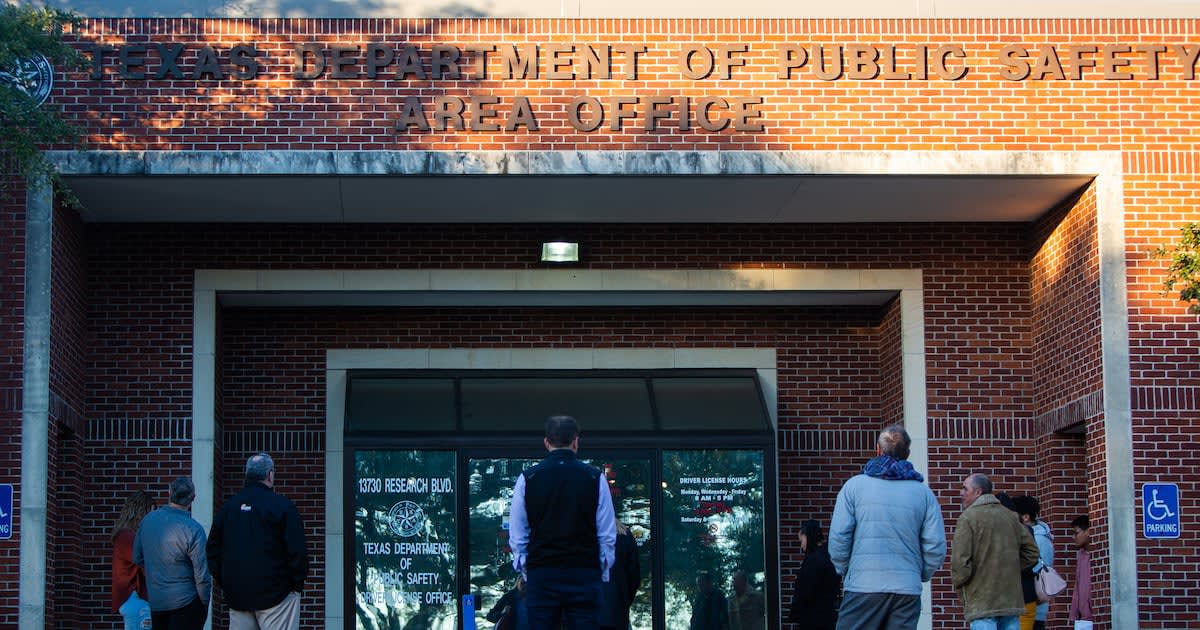
The Texas Department of Public Safety failed to forward an unknown number of online voter registration applications to county officials. This administrative error poses significant challenges for election administrators just weeks before the midterm elections.
Administrative Failure Impacts Texas Voter Registration
A critical administrative oversight by the Texas Department of Public Safety (DPS) has resulted in an unknown number of voter registration applications remaining unprocessed. These applications, submitted by citizens through the state’s online driver’s license portal, were never forwarded to the appropriate county voter registrars. This failure represents a significant breakdown in the bureaucratic pipeline that connects state-level identity services with local election administration.
The Mechanics of the DPS Error
Under standard operating procedures, when an individual updates their driver's license information online via the DPS portal, the system is designed to automatically transmit voter registration updates or new applications to the relevant county election offices. The current disruption stems from a technical or procedural failure where this automated hand-off did not occur. Because the data remained siloed within the DPS system rather than being transmitted, county officials were unaware of the pending registrations, effectively disenfranchising these applicants until the error was identified.
Timing and Electoral Consequences
Occurring just weeks before pivotal midterm elections, this error carries heightened stakes. Voter registration deadlines are strictly enforced in Texas, and the influx of "tens of thousands" of unprocessed applications now reaching county offices creates a massive logistical burden for local staff. Election officials must now work under an accelerated timeline to verify these registrations, process the paperwork, and ensure that eligible voters are added to the rolls before the statutory cut-off dates.
Broader Implications for Election Integrity
This incident highlights the inherent vulnerabilities in digitized voter registration systems. While technology is intended to streamline the democratic process, a single point of failure within a state agency can create systemic delays that threaten the ability of citizens to participate in elections. The reliance on inter-agency cooperation means that when one department falters, the impact cascades down to the local level, where the actual work of election administration takes place.
Future Trends and Accountability
Moving forward, this event is likely to trigger intense scrutiny regarding the oversight of state-managed voter registration portals. The transparency of the rectification process—how the state communicates with affected voters and ensures their applications are prioritized—will be a primary concern for voting rights advocates. Furthermore, this incident underscores the necessity for robust audit trails within government portals to ensure that data transfers are not only initiated but successfully completed and confirmed by the receiving party.
Conclusion
While the Texas Department of Public Safety has confirmed it is now working to deliver the unsent applications to county registrars, the damage to the administrative timeline is significant. As officials scramble to process the backlog, the focus remains on ensuring that no eligible voter is barred from the polls due to this state-level technical failure. The coming days will be critical in determining whether the state can successfully mitigate the impact of this oversight before election day.