What is the origin of Paris? The discovery of a 20-metre ancient wall may solve centuries-old mystery
Source Entity
Latest News: Todays Latest News Headlines from India & World | Hindustan Times | Hindustan Times
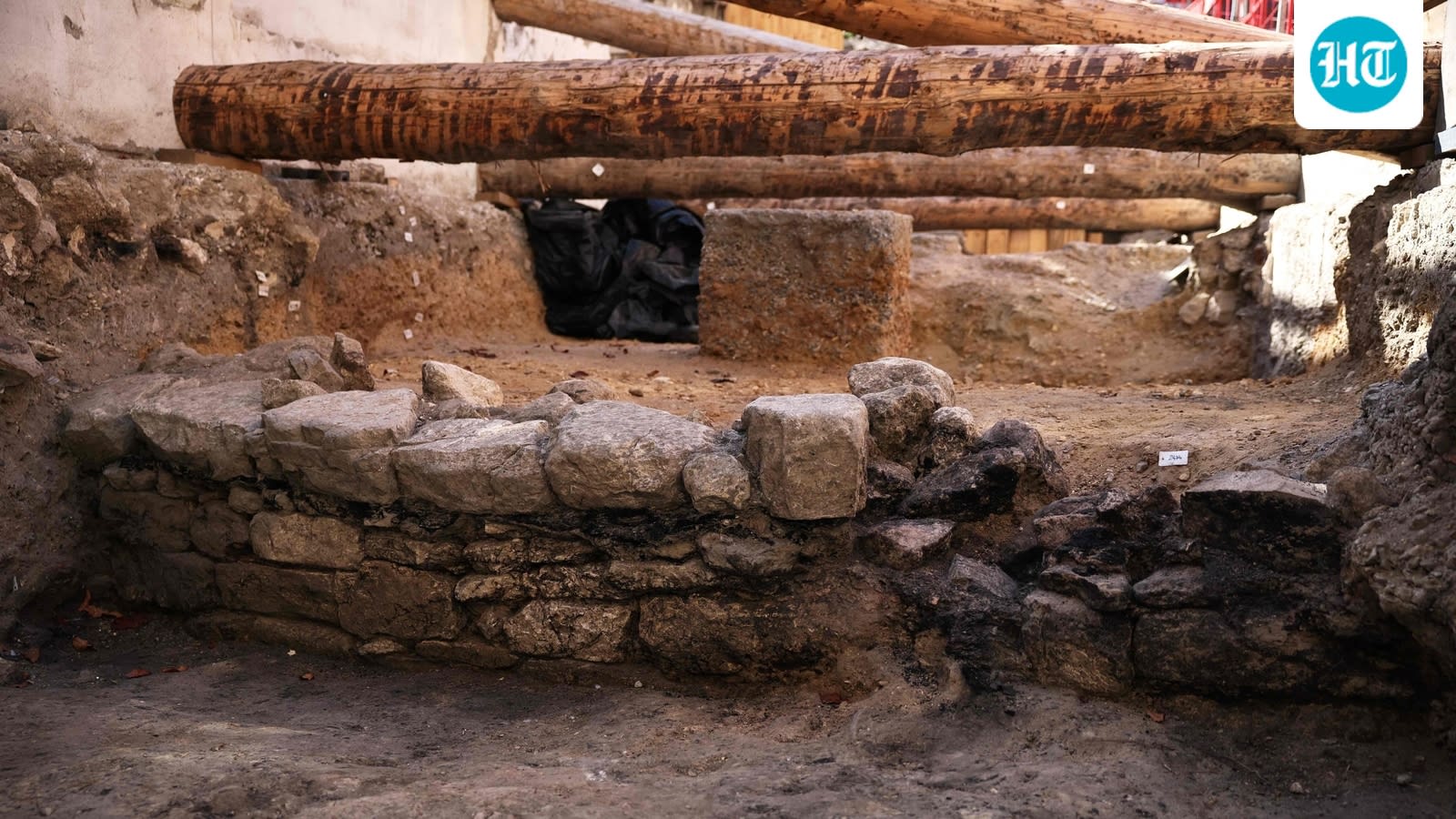
Archaeologists have discovered a 20-metre ancient wall beneath the Hotel-Dieu hospital in Paris. This breakthrough on the Ile de la Cite may finally reveal the precise origins of the French capital's first settlement.
A Glimpse into Lutetia: The Discovery Beneath Paris
The recent archaeological discovery of a 20-metre ancient wall beneath the courtyard of the Hotel-Dieu hospital on the Ile de la Cite marks a pivotal moment in understanding the origins of Paris. Hailed by the French culture ministry as a "major breakthrough," this structure, buried four metres below the surface, provides tangible evidence that could resolve centuries of speculation regarding the city's earliest settlement patterns.
The Strategic Importance of the Ile de la Cite
Historically, the Ile de la Cite has functioned as the heart of Paris, serving as a natural fortress and a nexus for trade due to its position in the Seine River. By uncovering a structural wall in such close proximity to the Notre Dame Cathedral, researchers are gaining a clearer picture of how ancient inhabitants utilized the island's geography. The site’s location—the oldest hospital in the French capital—highlights the layered history of the city, where modern institutional development often sits directly atop the ruins of antiquity.
Decoding the Architectural Clues
While the wall stands only a metre high, its 20-metre length suggests a deliberate, organized construction rather than a haphazard boundary. For archaeologists like Elodie Perugini, who has been documenting the site, this discovery is not merely about the wall itself, but about what it represents: a potential link to the Gallic settlement of Lutetia. Analyzing the masonry and stratigraphy of this find will allow experts to correlate these findings with existing Roman and pre-Roman records of the region.
Historical Context and Broader Implications
Paris has long been a subject of intense archaeological scrutiny, given its transformation from a modest river settlement into a global metropolis. This discovery serves as a reminder that much of the city's history remains hidden beneath its modern infrastructure. By confirming the location of the original settlement, historians can better trace the evolution of urban planning in the Seine valley, potentially rewriting textbooks regarding the scale and sophistication of early Paris.
Future Trends in Urban Archaeology
This find underscores the necessity of integrated heritage management during urban renovation projects. As cities like Paris continue to modernize, the integration of archaeological surveys into construction planning—as seen here at the Hotel-Dieu—becomes vital. Looking ahead, this discovery will likely spark a new wave of research into the island’s subterranean landscape, promising further insights into the life, trade, and defense strategies of the people who first called this river island home.
Conclusion
The discovery of this ancient wall is a testament to the enduring mystery of Paris's origins. While the analysis is still in its infancy, the significance of finding such a well-preserved structural element in the city center cannot be overstated. It provides a rare, direct connection to the past, offering a foundational piece of the puzzle that explains how a small island settlement grew to become one of the world's most influential capitals.
Verification Required?