Mecca targeted again? Riyadh sounds alarm for holy city for 2nd time in a month
Source Entity
TRISHA MAHAJAN
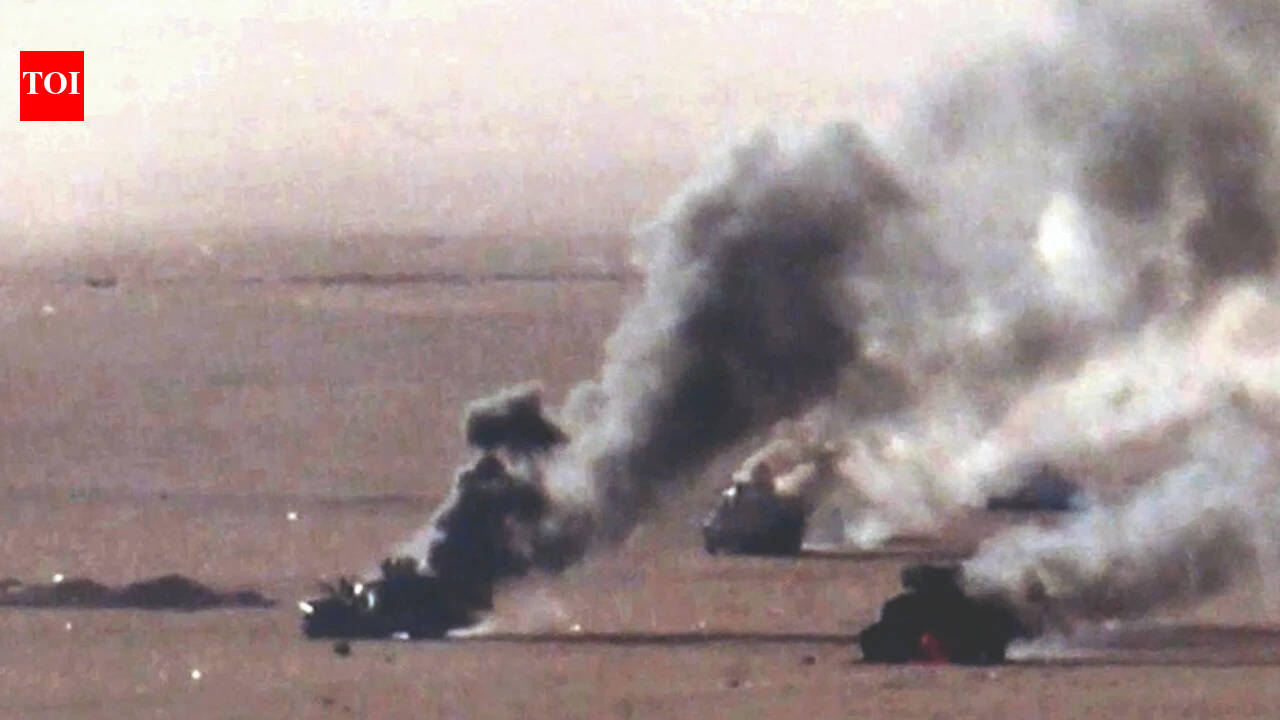
Saudi Arabia issued an emergency alert for Mecca following intercepted Houthi attacks, raising concerns about regional security. The incident highlights the vulnerability of the holy site and potential risks associated with AI-driven data analysis.
Escalating Tensions: Mecca Under Threat
Recent reports indicate that Saudi Arabia issued an emergency alert for the holy city of Mecca, marking a significant escalation in regional security tensions. This alert, the second of its kind within a month, was triggered by the interception of six projectiles launched by Yemen's Iran-backed Houthi rebels. The targeting of Mecca, which houses the Grand Mosque—the most sacred site in Islam—represents a grave provocation that has drawn international scrutiny and heightened anxiety across the Middle East.
The Role of Geopolitical Instability
The vulnerability of Mecca underscores the broader, persistent conflict between the Saudi-led coalition and Houthi forces. As the coalition continues its efforts to stabilize the region, the Houthi movement has increasingly utilized long-range ballistic missiles and drone technology to strike deep into Saudi territory. These persistent threats force the Saudi Civil Defence to maintain a high state of readiness, occasionally necessitating public alerts to ensure the safety of millions of residents and pilgrims who visit the city annually.
The AI Factor and Data Integrity
A particularly concerning element of this recent crisis is the allegation that outdated data fed into AI systems may have exacerbated the situation. In modern defense infrastructure, AI is frequently used to predict threats and manage emergency responses. However, if the underlying datasets are not synchronized with real-time intelligence, the risk of miscalculation increases. This incident suggests that the reliance on automated systems requires rigorous oversight to prevent false alarms or, conversely, the failure to identify genuine dangers.
Operational Response and Public Safety
Following the alert, the Saudi Civil Defence acted swiftly to manage the situation, eventually lifting the warning once the immediate danger had passed. Their directive for residents to avoid filming or gathering was a strategic move to prevent panic and ensure that emergency corridors remained clear for security personnel. This controlled response highlights the logistical challenges of protecting a high-density, culturally significant area during an active military conflict.
Future Trends in Regional Security
Looking ahead, the intersection of military aggression and technological reliance will likely define the security landscape in Saudi Arabia. As regional powers continue to invest in advanced defense technologies, the necessity for 'clean' and updated data becomes paramount. The international community will be watching closely to see if the coalition can enhance its interception capabilities and whether the Houthi rebels continue to test the boundaries of international norms by targeting sites of immense religious significance.
Conclusion
The recent alert in Mecca is a stark reminder of the fragile balance of power in the region. While the immediate threat was neutralized, the underlying issues—ranging from the geopolitical impasse in Yemen to the technical risks of AI-managed defense systems—remain unresolved. Moving forward, the integration of precise, real-time data into security protocols will be as critical as the military hardware used to intercept these attacks.