Turtle sanctuary ESZ mapping complete across 3 Uttar Pradesh districts
Source Entity
Latest News: Todays Latest News Headlines from India & World | Hindustan Times | Hindustan Times
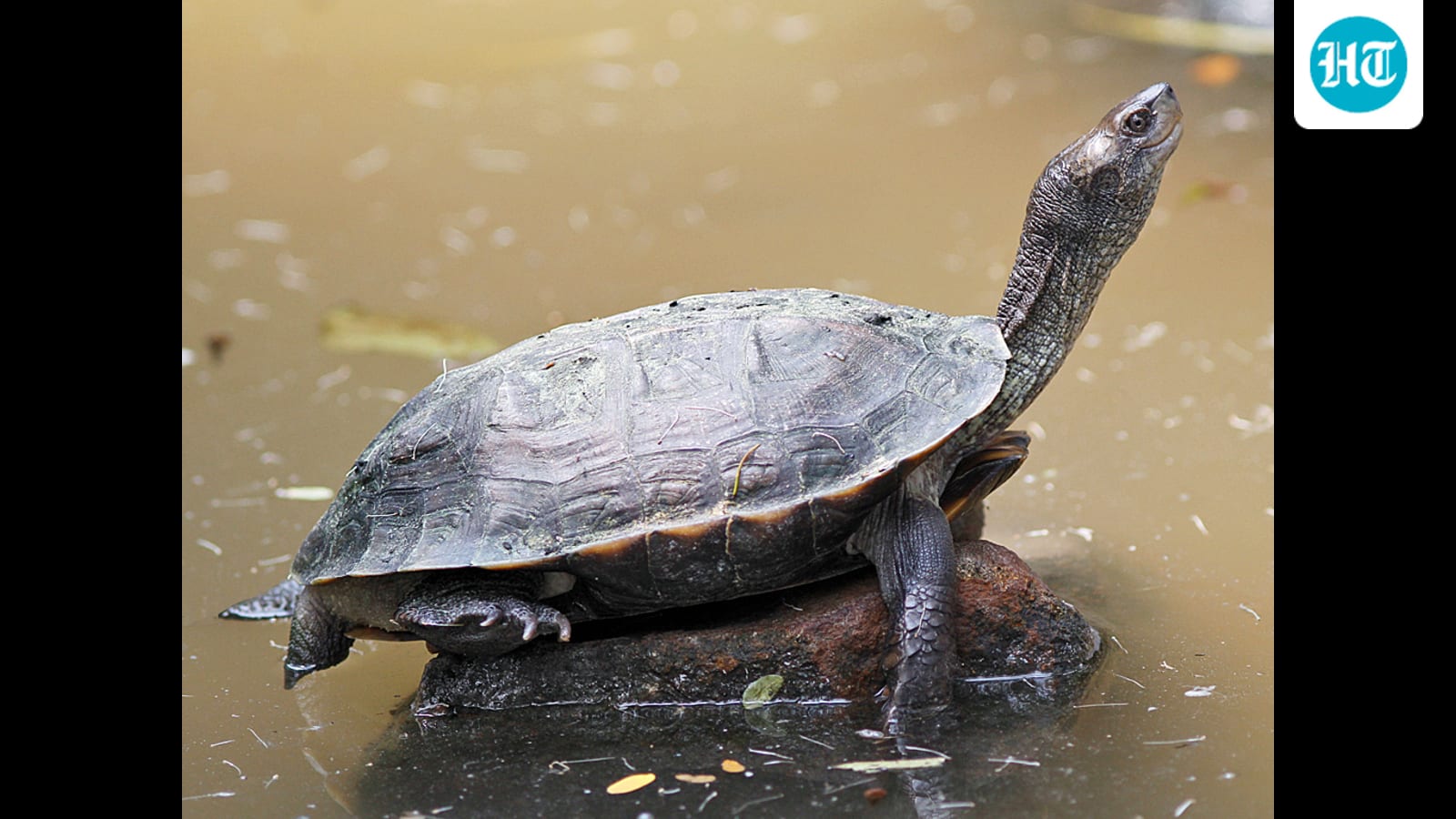
Authorities have completed the mapping of an eco-sensitive zone (ESZ) around the Turtle Wildlife Sanctuary in Uttar Pradesh. The proposal includes a 500-meter buffer zone along a 30-km stretch of the Ganga to protect threatened turtle species from industrial and construction activities.
Conservation Milestone for the Ganga River
The completion of the eco-sensitive zone (ESZ) mapping for the Turtle Wildlife Sanctuary marks a significant advancement in the conservation efforts of the Uttar Pradesh government. Covering a 30-kilometer stretch across the districts of Prayagraj, Bhadohi, and Mirzapur, this initiative addresses the urgent need to protect the aquatic biodiversity of the Ganga River. By formalizing these geographical boundaries, officials are establishing a legal framework to mitigate human-induced pressures on a vital riverine ecosystem.
Regulating Human Activity and Development
The core of this conservation strategy is the proposal for a 500-meter buffer zone extending from the riverbanks. This buffer is designed to serve as a regulatory barrier against unchecked construction, sand mining, and industrial discharge—all of which have historically threatened the integrity of river habitats. By restricting these activities, the management plan aims to maintain the water quality and riverbed stability essential for the survival of the sanctuary's unique species.
Protecting Threatened Biodiversity
Since its notification in 2020, the sanctuary has become a critical refuge for several endangered and threatened turtle species. The list includes the striped roofed turtle, black-spotted turtle, softshell turtle, red-crowned roofed turtle, and the brown roofed turtle. These species play a vital role in the river's ecological balance, acting as scavengers that help maintain water health. The ESZ mapping ensures that their nesting and basking sites are shielded from the encroaching footprint of urban and industrial expansion.
Administrative Path Forward
Divisional Forest Officer (DFO) Arvind Kumar confirmed that the mapping process is complete and the proposal is now slated for submission to the state government. This transition from mapping to official policy is a critical step in turning recommendations into enforceable law. Once approved, the state government will have the authority to implement strict monitoring and compliance measures across the three districts, ensuring that the 30-km protected corridor remains undisturbed.
Broader Environmental Implications
This initiative reflects a broader trend of integrating scientific mapping into environmental governance. By proactively identifying and securing habitat corridors, the Uttar Pradesh forest department is not only protecting specific turtle populations but is also contributing to the overall rejuvenation of the Ganga ecosystem. As the state moves toward formalizing these protections, the management roadmap will likely serve as a model for other riverine conservation projects across the region, balancing infrastructure needs with biodiversity preservation.
Verification Required?