Pope Leo warns of AI threat to humanity at start of three-day France visit
Source Entity
Angelique Chrisafis in Paris
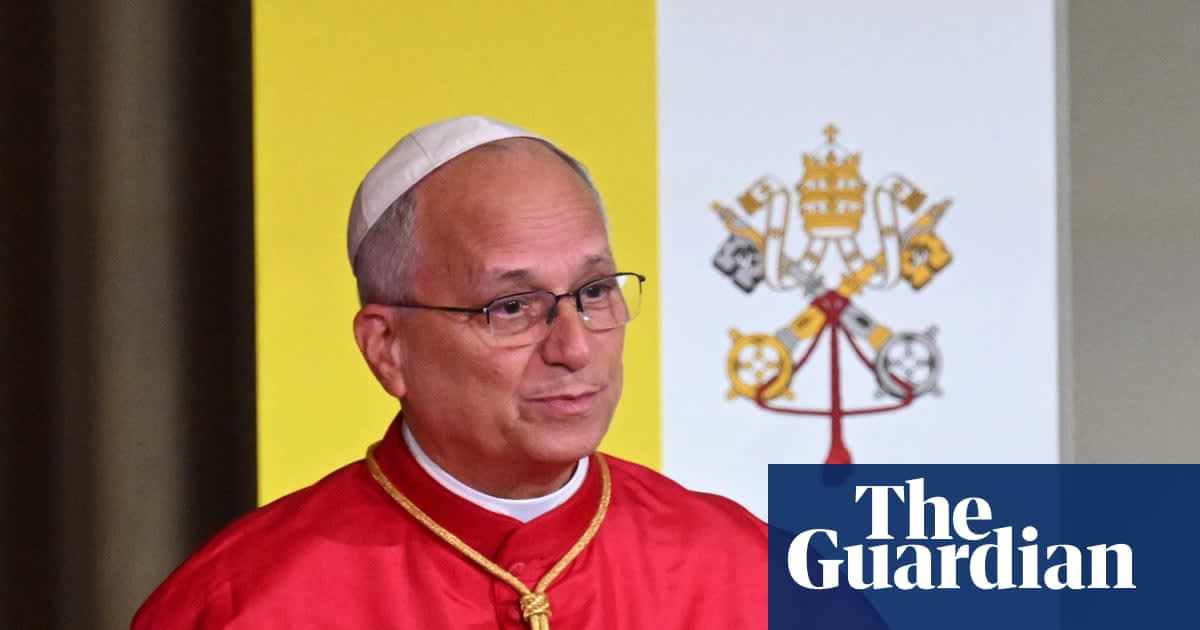
Pope Leo has issued a stern warning against the dehumanizing potential of artificial intelligence during his visit to France. He advocates for ethical discernment to ensure technology serves human values rather than fostering domination.
The Ethical Imperative: Pope Leo’s Warning on AI
During a significant three-day state visit to France, Pope Leo has brought the global discourse surrounding artificial intelligence to the forefront of international attention. In a series of addresses, most notably at the Élysée Palace and the headquarters of UNESCO in Paris, the Pontiff articulated a vision of the future where technological progress must be tempered by moral responsibility. His central critique centers on the risk of humanity being subsumed by a "paradise of machines," a term he uses to describe an automated environment that threatens to erode the fundamental human experience.
The Erosion of Human Agency
At the heart of the Pope’s concern is the potential for artificial intelligence to condition and dominate daily life. He argues that as algorithms and machine learning systems become increasingly integrated into the fabric of society, there is a tangible danger that human decision-making will be supplanted by automated processes. This shift, he warns, could lead to a loss of agency, where individuals become passive participants in a system designed by machines, thereby undermining the autonomy and dignity central to the Catholic Church's theological outlook on the human person.
The Necessity of Ethical Discernment
To combat this trend, Pope Leo has called for a rigorous focus on "ethical discernment." He posits that technical literacy is insufficient; rather, there is an urgent need for a societal framework capable of distinguishing between moral and immoral applications of technology. By addressing an audience at UNESCO, the Pope emphasized that science and technology must remain subservient to the human person. This suggests a desire for a global consensus—a regulatory or philosophical "guardrail"—that prioritizes the common good over the rapid, unchecked expansion of artificial intelligence.
Technology as a Tool for Justice
Beyond the philosophical implications, the Pope’s remarks carry a political weight regarding global equity. He cautioned that without careful stewardship, AI could transform from a beneficial tool into an "instrument of domination and injustice." This highlights a growing concern that the AI revolution may exacerbate existing inequalities, where the developers and owners of these technologies gain unprecedented power over those who lack access or influence. His appeal serves as a reminder that technological advancement is not morally neutral and can either alleviate or aggravate human suffering.
Future Trends and Global Governance
Looking forward, the Pope’s intervention signals a likely increase in religious and ethical leadership involvement in the governance of emerging technologies. As AI continues to evolve, the demand for "human-centric" design will become a critical policy debate. We can expect that international bodies, influenced by such high-level moral rhetoric, will face mounting pressure to formalize ethical standards that prevent technology from encroaching on fundamental human rights. The visit to France underscores that the debate over AI is no longer confined to Silicon Valley boardrooms but has become a central concern for the global moral and political establishment.
Conclusion
Pope Leo’s visit to France serves as a pivotal moment in the ongoing dialogue between faith and technological innovation. By framing the rise of artificial intelligence as an existential challenge to the human condition, he has set a clear agenda: technology must serve the human person, not the other way around. As the world navigates the complexities of the digital age, his call for ethical discernment remains a vital benchmark for ensuring that innovation preserves, rather than diminishes, our shared humanity.
Multiple Citing Sources