The treasured 'eternal snow' on this tropical island is about to disappear forever
Source Entity
BBC News
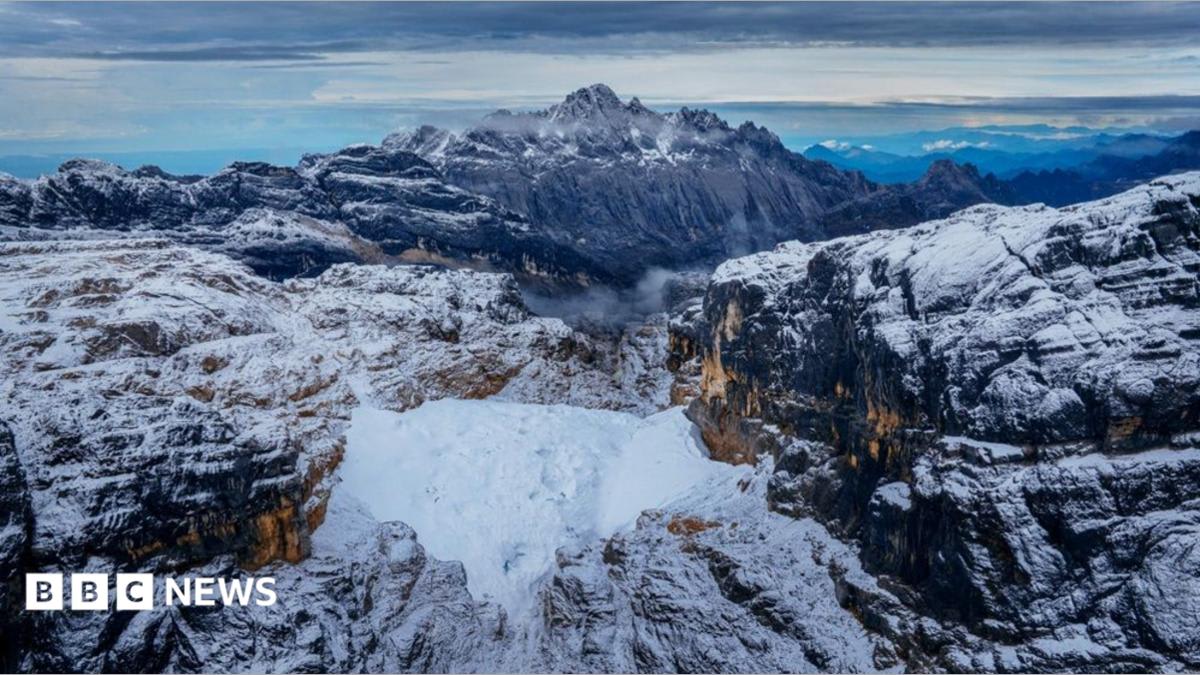
The rare tropical glaciers on Papua's Sudirman Range are on the brink of total extinction due to climate change. This loss signifies both a major scientific setback for climate history research and a profound spiritual crisis for the local Papuan people.
The Vanishing Glaciers of Papua: A Climate Crisis Unfolds
The tropical peaks of Papua, Indonesia, have long stood as an anomaly in the natural world. Situated near the equator, these mountains have defied traditional climate expectations by maintaining 'eternal snow' for centuries. However, recent reports confirm that these unique glacial formations are nearing total extinction, marking a somber milestone in the global climate crisis. Once a 300km stretch of permanent ice across the Sudirman Range, these peaks are now reduced to mere remnants around Puncak Jaya, also known as the Carstensz Pyramid.
Scientific Implications of Lost Data
For decades, scientists have looked to the Sudirman Range as a living archive of Earth’s climate history. Because these glaciers were located in a tropical environment, they provided researchers with rare data points regarding atmospheric shifts and temperature fluctuations that are not available in polar regions. As the ice melts, the physical evidence contained within these frozen layers—essentially a timeline of historical weather patterns—is lost forever. The shrinking of the glacier cover from its once-vast expanse to the current, precarious state represents a permanent erasure of valuable geological record-keeping.
The Spiritual Weight of a Natural Landmark
Beyond the scientific loss, the disappearance of this snow holds deep spiritual significance for the people of Papua. For many local communities, these peaks are not merely geological features; they represent the epicenter of their spiritual universe. Local activists have compared the significance of these mountains to that of Mecca or the Vatican, highlighting that the melting ice is not just an environmental statistic, but a desecration of a sacred site. The physical erosion of the landscape directly correlates to the distress of the cultural identity tied to these heights.
Historical Context and Rapid Decline
To understand the magnitude of this change, one must look at the trajectory of the last century. A hundred years ago, all four major peaks of the Sudirman Range were capped with permanent snow and ice. The rapid transition from a glaciated mountain range to bare rock in such a short geological timeframe underscores the accelerated pace of climate change. The current projection, which suggests total disappearance within the next one to two years, serves as a stark warning of how quickly unique ecosystems can succumb to rising temperatures.
Broader Environmental Trends
This phenomenon in Papua is a microcosm of a larger global trend. While the loss of tropical glaciers may seem localized, it is a bellwether for the health of mountain ecosystems worldwide. The factors driving the thaw in Papua—rising ambient temperatures and shifting precipitation patterns—are the same forces affecting the Andes and the Himalayas. The loss of these tropical ice caps serves as an urgent reminder of the fragility of high-altitude environments in the face of anthropogenic climate change.
Conclusion: A Future Without Ice
As we look toward the near future, the total loss of snow on Puncak Jaya appears inevitable. This event serves as a final, visible warning sign from an environment that has long held clues to our climate's past. While the scientific data lost is irreplaceable, the most lasting impact may be the cultural void left in the wake of the melting ice. The disappearance of Papua's 'eternal snow' is a poignant narrative of loss, forcing a global reflection on the irreversibility of climate-driven destruction.