
Retail traders are breaking records. Citadel Securities reports $6.8 billion in daily options premiums during June 2026. This volume dwarfs the 2025 average by 65%. Pure greed drives this surge.
Regulatory Arbitrage as a Business Model
London courts now face a £150 million claim. Roughly 1,700 investors allege Binance sold complex derivatives without authorization. These products amplified losses starting in 2019. Regulatory bans from the Financial Conduct Authority in 2021 arrived too late for many.
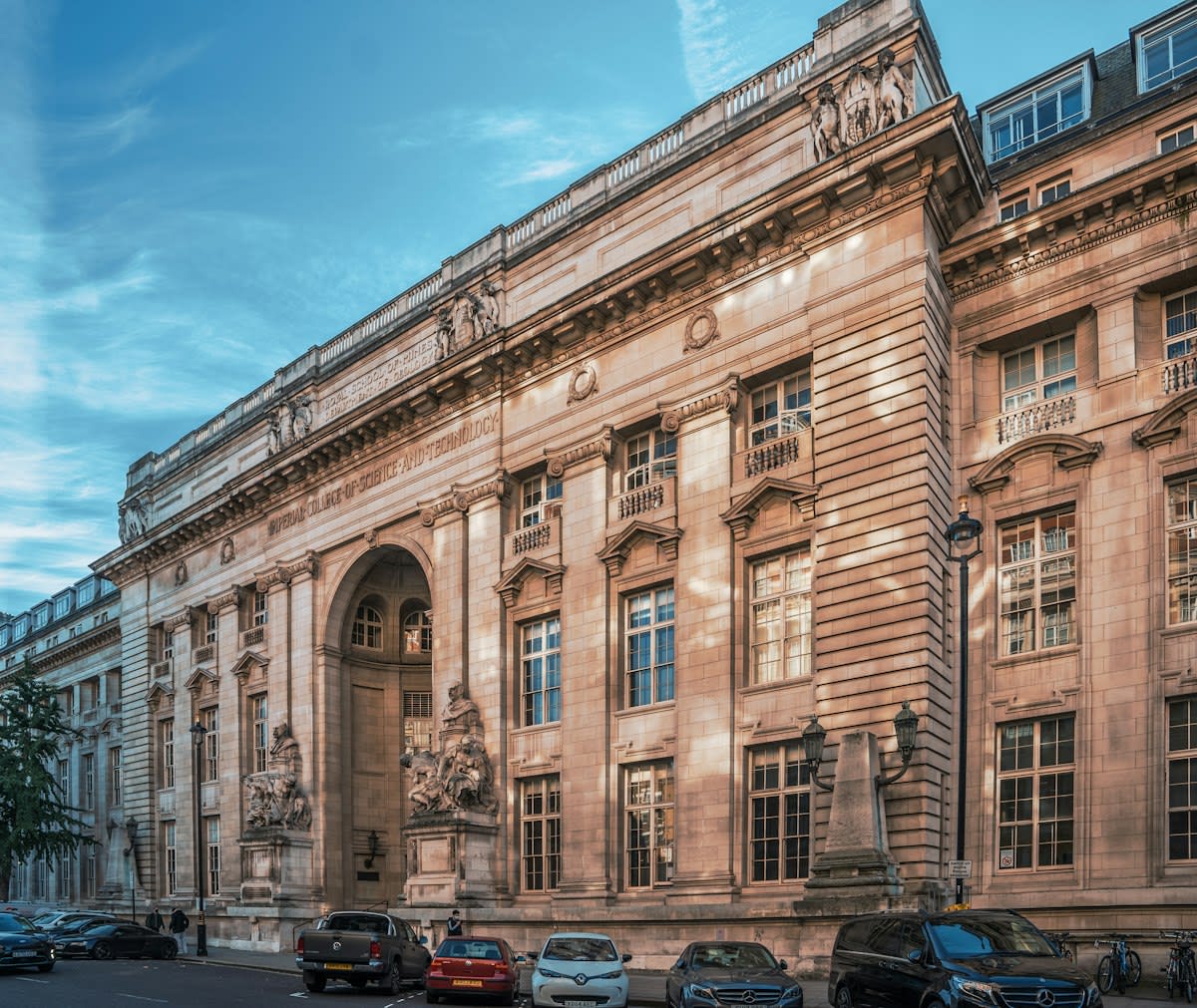
Dubai is courting the cautious. Varenne Capital just opened a DFSA-regulated office in the DIFC to secure legal certainty. Contrast this stability with the chaos of retail losses in London. The Gulf builds infrastructure while the West manages lawsuits.
| Metric | June 2026 Value | Comparison to 2025 Avg |
|---|---|---|
| Daily Retail Options Premium | $6.8 Billion | +65% |
| Monthly Trading Peak | June 2026 | Record High |
| Binance Lawsuit Claim | £150 Million | N/A |
Automation threatens the very laborers fueling these retail bubbles. Universal Basic Capital emerges as a proposed remedy. This policy suggests ownership stakes in AI firms instead of simple cash handouts. It ignores the reality that capital ownership requires governance power.
"Universal basic capital would not prevent automation-driven job loss but could share some of the economic upside."— The Atlantic
Physical constraints still dictate the pace of true innovation. Biotalys is pushing its biofungicide EVOCA through California's CDPR review. High standards there mirror the FDA's new focus on non-animal methods (NAMs). Reducing animal testing streamlines the path to market. Efficiency is the only metric that matters to the board.

The Ownership Gap
The promise of redistributed AI ownership is a political sedative. It replaces the need for wage growth with the hope of dividend checks from firms that have every incentive to dilute those stakes.
Incentives always trump regulations. Retail traders gamble because the interface makes it feel like a game. Firms move to Dubai because the rules are clearer. Governments propose capital redistribution because they fear the riots. The cycle continues.