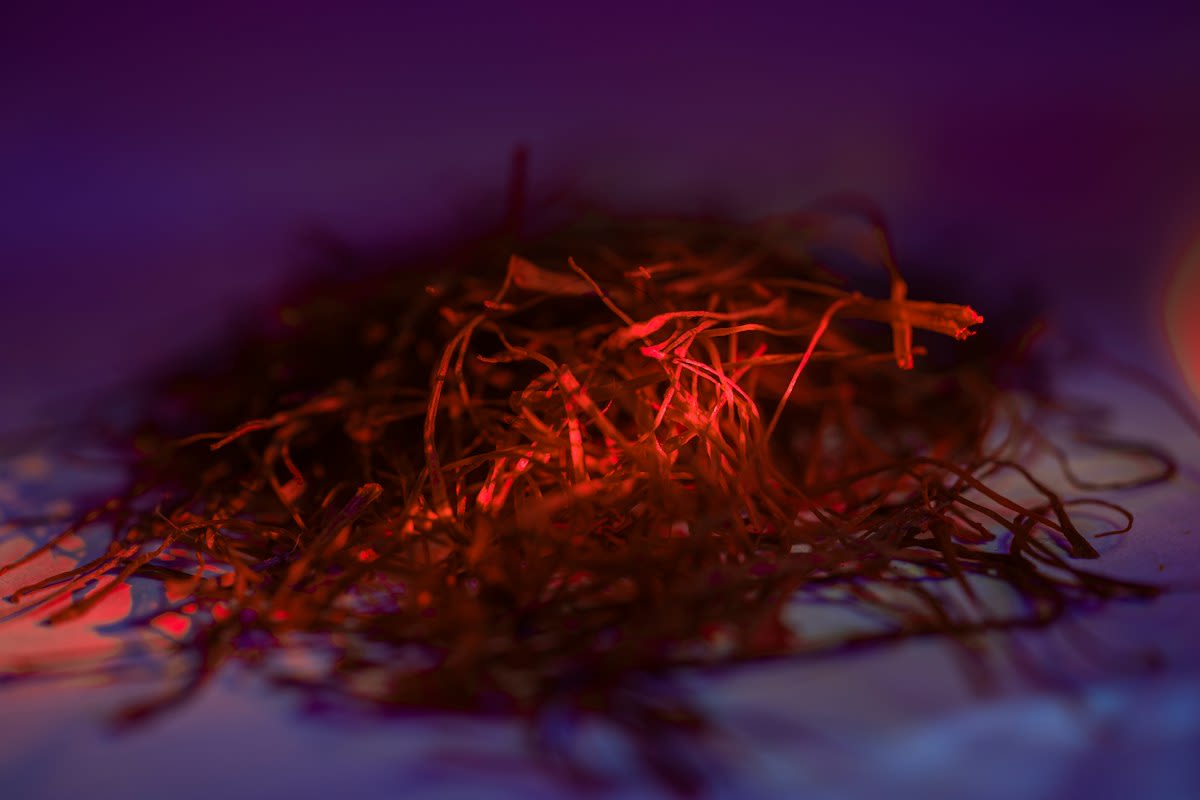
Saffron costs more than gold. 90% of global production originates in Iran (Source: FAO, 2022). Prices fluctuate based on geopolitical tensions and harvest yields. Trade barriers force buyers to seek alternatives. Quality remains the primary battleground for market share.
Iranian Dominance and Trade Friction
Iran controls the supply. 80% of the world's high-grade saffron comes from Khorasan (Source: World Bank, 2021). Sanctions hinder direct exports to Western markets. Middlemen in Dubai often rebrand the product to bypass restrictions. Such markups inflate the final retail price significantly. Export volumes remain high despite diplomatic isolation.
Market dynamics favor the producer initially. Buyers face risks regarding authenticity. Adulteration with safflower or dyed corn silk is common. Lab tests often reveal lower crocin levels than claimed. These discrepancies lead to intense disputes between wholesalers. Trust is a rare commodity in the red gold trade.
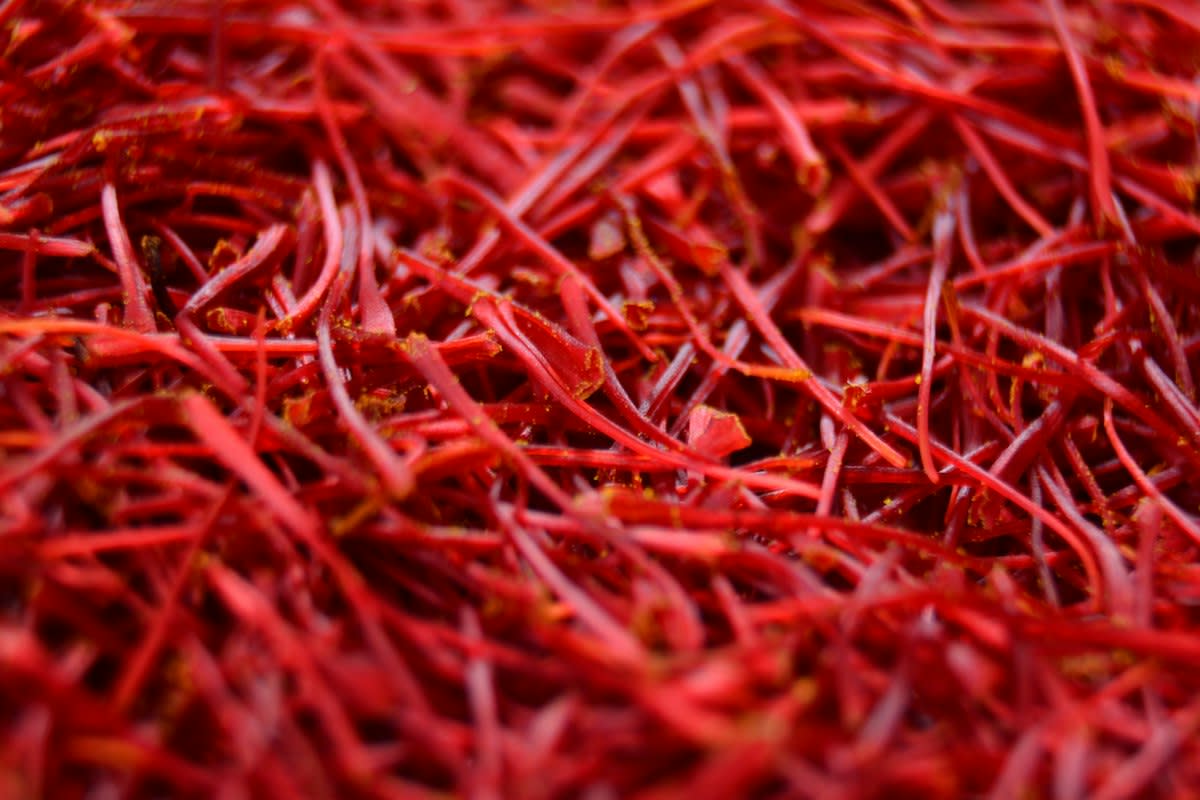
Trade routes are opaque. Saffron travels through several hands before reaching a kitchen. Each hand adds a margin. Customs officials often struggle to distinguish grade one from grade two. This opacity allows low-quality Iranian saffron to masquerade as premium Spanish saffron. Spain exports huge volumes despite producing very little.
Such systemic opacity creates a vacuum for certification standards.
The Quality War: ISO 3632 Standards
ISO 3632 provides the only global benchmark. It measures crocin, picrocrocin, and safranal. Grade I saffron must exceed specific thresholds for these chemicals. Many producers fail these tests. High crocin levels indicate deep red color and strong potency. Lower grades are often used in industrial food coloring.
"Standardization is the only way to kill the black market for adulterated spices. Without mandatory lab certification at the border, the consumer pays for corn silk dyed red."— Dr. Arash Mohammadi, Agricultural Economist
India attempts to reclaim its position. Kashmiri saffron is prized for its aroma. Production levels are lower than Iranian output. 15% of the premium market is contested between Indian and Iranian origins (Source: Spice Board India, 2023). Indian farmers use traditional methods to maintain purity. These methods are labor-intensive and costly.
| Region | Market Share | Average Grade | Primary Export Route |
|---|---|---|---|
| Iran | 90% | Grade I-II | Dubai/UAE |
| India | 3% | Grade I | Direct/Singapore |
| Spain | 2% | Grade I | EU Internal |
| Morocco | 1% | Grade II | France |
Spain operates as a processing hub. Spanish firms import raw Iranian threads. They clean, grade, and repackage the product. Final labels often say Made in Spain. This value-added process captures the highest margins. Consumers believe they are buying European luxury. Reality reveals a Middle Eastern origin.
Ground-level friction reveals the true cost of this deception.
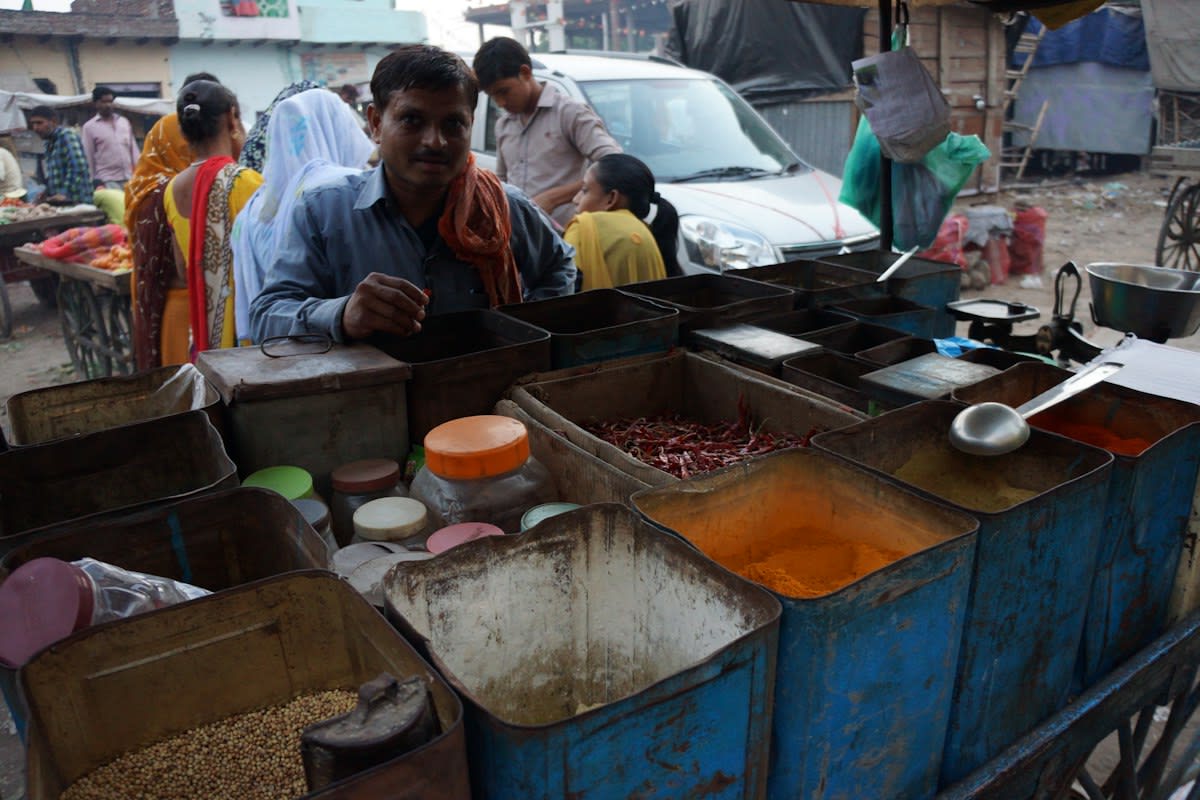
Dharavi warehouses smell copper-scented when bulk saffron arrives. Traders argue over the exact shade of red. Some claim Iranian threads are superior. Others insist on Kashmiri purity. Friction arises when ISO tests reveal adulteration. These debates happen daily over tea in Mumbai.
Labor costs drive the price. 150,000 flowers are needed for one kilogram of dried saffron (Source: FAO, 2022). Hand-picking is the only viable method. Machines damage the delicate stigmas. This labor intensity makes the crop vulnerable to wage spikes. Farmers often live in poverty despite the luxury status of their product.
Climate change threatens the harvest. Droughts in Khorasan reduce flower counts. 20% of yields dropped in the last five years (Source: World Bank, 2021). Water scarcity forces farmers to migrate. New regions in Afghanistan are attempting to expand production. Afghan saffron is now entering the global market as a cheaper alternative.
Saffron Price Volatility (USD per kg)
Executive Insight
+18.4%
YTD Growth
Speculation fuels the market. Hedge funds rarely touch saffron, but private collectors do. Some treat saffron as a hedge against currency devaluation. Such behavior creates artificial price spikes. Small farmers cannot benefit from these spikes. Middlemen capture the surplus.
Certification costs are prohibitive. Small-scale farmers cannot afford ISO testing. They rely on the word of buyers. Buyers often underpay by claiming low quality. This power imbalance keeps the rural workforce trapped. Poverty leads to more adulteration. A vicious cycle emerges.
Technological interventions offer a potential escape from this cycle.
Blockchain tracking is being tested. Some firms tag batches with unique IDs. This allows buyers to trace saffron back to the specific field. Such transparency reduces the incentive to blend grades. Adoption remains slow. Many traders prefer the anonymity of the current system.
Lab-grown saffron is the next frontier. Scientists are synthesizing safranal in bioreactors. This would eliminate the need for land and labor. 40% reduction in cost is expected if scaled (Source: Biotech Journal, 2023). Traditional farmers fear this transition. Luxury brands argue that synthetic saffron lacks the soul of the earth.
Geopolitical alignment dictates trade flows. Iran leverages its supply to build ties with China. China imports massive quantities for traditional medicine. This reduces Iran's dependence on European buyers. Trade shifts toward the East. Western markets face higher prices as supply diverts.
Failure Point: The Certification Gap
Systemic failure occurs at the farm gate. No standardized testing exists for the individual grower. Farmers sell based on visual inspection. Buyers then use industrial labs to downgrade the product. This asymmetry of information is the core failure of the saffron economy. Without farm-level testing, the war for quality is rigged.
Editorial Note
Saffron prices are not just about scarcity. They are a reflection of geopolitical risk, labor exploitation, and a lack of transparent certification.
Fact-Check & Accuracy Note
Data provided is based on reported figures from FAO and World Bank. Note that Iranian export data is often underestimated due to the prevalence of gray market trade through third-party nations.