Shorter women in their 40s may burn fewer calories at rest: what this means for weight loss
Source Entity
The Indian Express
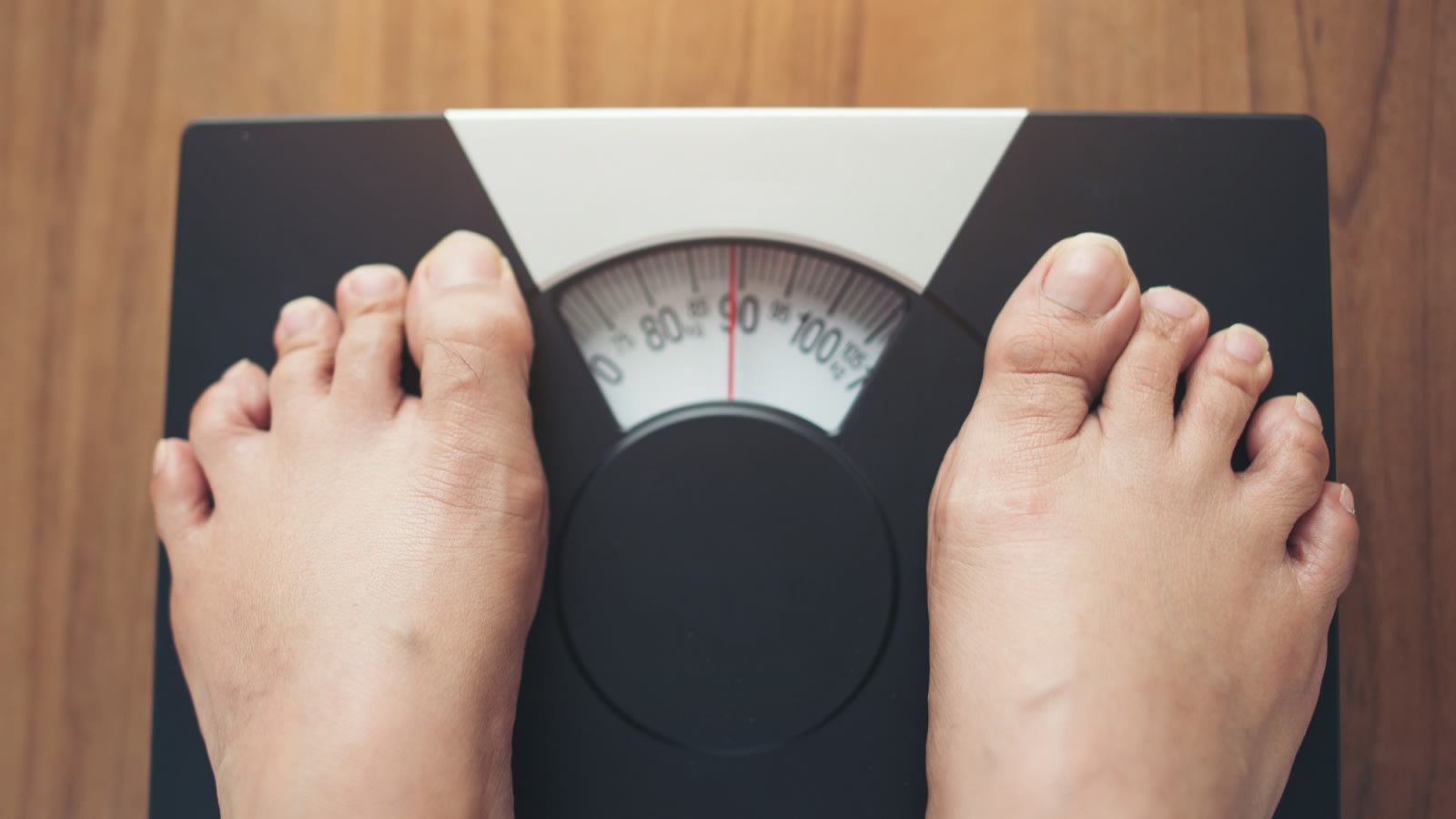
Shorter women in their 40s may face unique challenges in weight loss due to lower basal metabolic rates linked to smaller body size and reduced muscle mass. Understanding these physiological factors is essential for creating realistic and effective health goals.
The Metabolic Reality for Shorter Women in Their 40s
Recent insights provided by lifestyle coach Kait Willett highlight a significant physiological challenge faced by shorter women as they enter their 40s: the struggle of weight management due to lower basal metabolic rates (BMR). At the core of this issue is the reality of body composition; shorter individuals naturally possess less 'real estate'—or total body mass—which inherently dictates the number of calories required to maintain basic biological functions at rest.
Understanding Basal Metabolic Rate (BMR)
Basal metabolic rate, or BMR, represents the energy expenditure of the body while at total rest, supporting vital functions like circulation, respiration, and cell production. As Willett points out, shorter women often have smaller bodies and potentially less lean muscle mass compared to taller counterparts. Because muscle tissue is metabolically active and requires more energy to maintain than adipose tissue, a lower starting point of lean mass significantly reduces the daily caloric budget, making the achievement of a calorie deficit more difficult.
The Impact of Aging in the 40s
Entering the 40s introduces additional complexities, as natural age-related muscle loss, or sarcopenia, begins to accelerate. For shorter women, who may already be working with a smaller metabolic baseline, this transition can exacerbate the difficulty of weight loss. When the body's energy needs decrease due to shifting body composition, the margin for error in dietary intake narrows, necessitating a more precise and intentional approach to nutrition.
Strategic Adjustments for Weight Management
To effectively navigate these biological constraints, Willett suggests that shorter women must pay closer attention to the relationship between their caloric intake and their physical activity levels. Maintaining a consistent calorie deficit is mathematically harder when the baseline expenditure is lower, meaning that small fluctuations in diet can have a more pronounced effect on weight maintenance than they would for a taller individual.
Moving Beyond Comparison
One of the most important takeaways from this analysis is the necessity of avoiding comparisons with individuals of larger stature. Using a 6-foot-5-inch, 230-pound individual as a benchmark for caloric needs is fundamentally flawed for a shorter woman. Understanding one's unique metabolic profile allows for the creation of sustainable, science-based health strategies rather than relying on generalized advice that does not account for height and body composition.
Conclusion: A Personalized Path to Health
Ultimately, recognizing that shorter women burn fewer calories at rest is not a signal of defeat, but rather a call for personalized health management. By prioritizing resistance training to preserve lean muscle mass and focusing on nutrient-dense caloric intake, women in their 40s can successfully manage their weight while acknowledging the physiological constraints imposed by their body type.