
The global financial architecture is experiencing a quiet but profound realignment. Sovereign wealth funds and central banks, managing a staggering 29 trillion dollars, are no longer content to lean on the traditional pillars of Western finance. This is not a mere tactical adjustment. It is a strategic migration toward tangibility—a move away from the abstractions of public equities and the precariousness of the US dollar toward the hard reality of energy assets and physical infrastructure.
The Eroding Moat of the Reserve Currency
For decades, the US dollar operated as the world's undisputed financial anchor. That anchor is now dragging. According to an Invesco survey, 61 percent of central banks now argue that US debt levels are actively harming the dollar's long-term role as a reserve asset. Compare this to 2024, when only 20 percent held this view. The speed of this disillusionment is breathtaking. While a credible alternative to the dollar remains elusive, the psychological break has already occurred.
Growing Skepticism of Dollar Reserve Status (Percentage of Surveyed Investors)
Executive Insight
+18.4%
YTD Growth
The Reserve Paradox
The paradox of the current era is that sovereign investors are fleeing the dollar even as it remains the only viable liquid instrument. This creates a dangerous tension: a systemic desire for exit paired with a lack of an immediate destination.
This currency anxiety is coinciding with a deep skepticism of public markets. The concentration of the S&P 500 has reached a point of absurdity, with the top 10 companies now representing 38 percent of the index. For a sovereign fund, this is not diversification; it is a concentrated bet on a handful of Silicon Valley giants. The result is a flight toward private equity, private credit, and infrastructure.
The Hard Asset Hegemony
| Asset Class | Traditional Role | New Strategic Driver | 2026 Status |
|---|---|---|---|
| Infrastructure | Passive Yield | Energy Security & AI Power | 9% of SWF Assets |
| US Treasuries | Risk-Free Reserve | Debt Sustainability Concerns | 61% Central Bank Alarm |
| Public Equities | Growth/Diversification | Extreme Concentration (Top 10=38%) | Reducing Reliance |
| Private Markets | Alternative Alpha | AI Data Center Buildout | Increasing Allocations |
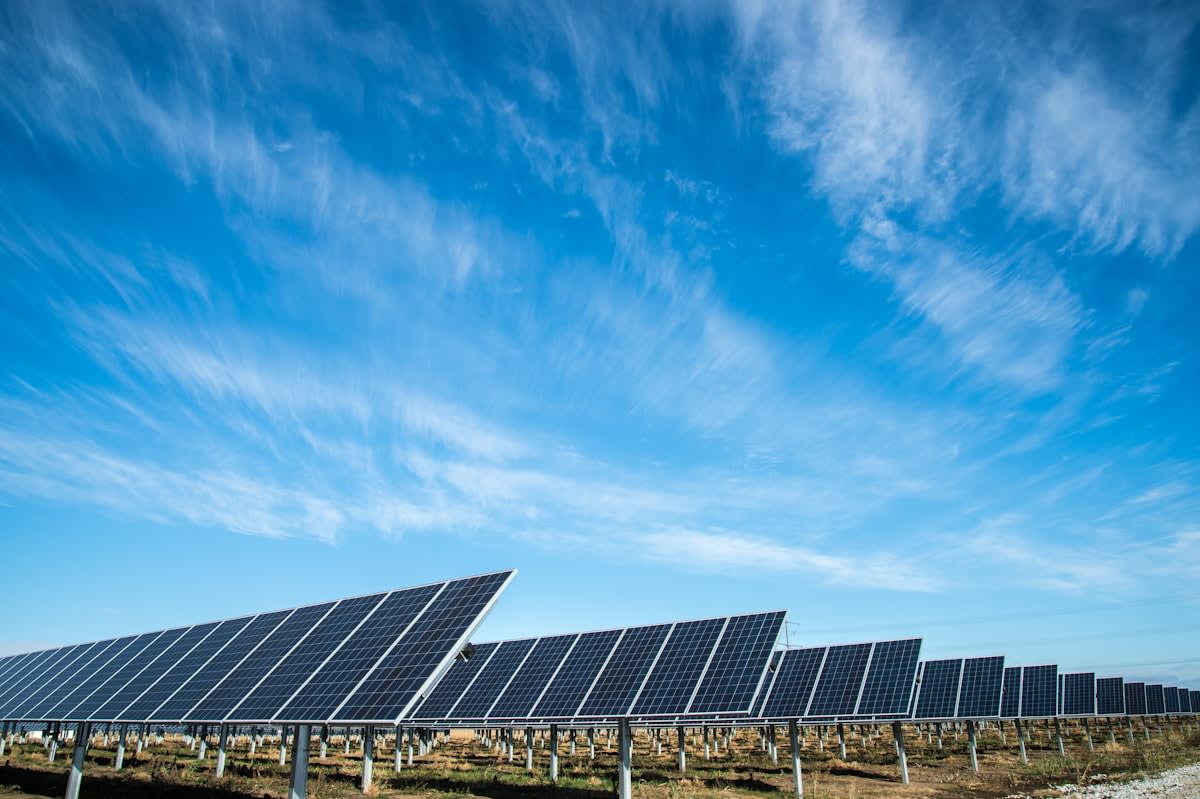
Energy security has evolved from a geopolitical goal to a portfolio requirement. Roughly 80 percent of polled sovereign investors now view energy transition infrastructure as the most credible way to build resilience. This is a pragmatic response to a world where energy is once again weaponized. By owning the means of production and transmission, these funds are insulating themselves from the volatility of paper markets.
The movement toward tangibility extends beneath the ocean. Consider the strategic investments by Tata Communications. The company is pouring 152 million dollars into subsea cable infrastructure to link the AI hubs of Mumbai and Chennai with Singapore. This includes 63 million dollars for the MIST Cable System and 89 million dollars for Project CS. These are not just cables; they are the digital arteries of a new multipolar economic order.
The Human Infrastructure Gap
"Organizations increasingly recognize employees as part of their critical infrastructure, but investment in workforce development has failed to keep pace with spending on AI, cybersecurity and advanced technologies."— Dimitri Boylan, CEO of Avature
There is a glaring contradiction in this rush toward AI-driven infrastructure. While capital flows into data centers and subsea cables, the human element is being neglected. From the concerns voiced by Rep. James Walkinshaw regarding staffing reductions at the Cybersecurity and Infrastructure Security Agency (CISA) to the general lack of workforce readiness, the physical assets are outstripping the people required to run them. A data center is a liability if there is no one capable of securing it.

Even the highest levels of political power are mirroring this movement toward digital alternatives. Recent disclosures reveal that Donald Trump's wealth is now heavily underpinned by cryptocurrency, with 1.4 billion dollars in digital assets, including 580 million dollars from crypto-related activities. Whether driven by ideology or opportunism, the trend is clear: the elite are hedging against the traditional financial system.
We are witnessing the birth of a fragmented but more resilient global economy. The reliance on a single reserve currency and a handful of mega-cap stocks is being replaced by a diversified bet on energy, connectivity, and private infrastructure. For the strategic investor, the lesson is simple: in an era of systemic instability, the only real security is that which you can touch, power, or plug into.