
Safe havens are gone. For decades, investors treated US Treasuries and German Bunds as the absolute gold standard of security, but the surge in debt-to-GDP ratios across the G7 suggests a different reality. The myth is over. Why do we still trust the printer? When a state can simply create more currency to pay its bills, the nominal value of the bond remains, but the real purchasing power evaporates. This is the hidden default.
Prerequisites for Sovereign Analysis
Stop trusting ratings. Credit rating agencies often lag behind the market by months because their models rely on lagging indicators rather than real-time capital flows. You need better tools. To evaluate a sovereign asset today, you must have access to high-frequency data on foreign exchange reserves and a deep understanding of the local political climate. Guessing is a luxury you cannot afford.
- Real-time FX reserve tracking (Source: IMF International Financial Statistics, 2023)
- Debt-to-GDP ratios adjusted for state-owned enterprise (SOE) liabilities
- Average maturity profiles of outstanding bonds
- Local currency inflation volatility indices
- Political stability markers from non-Western geopolitical intelligence
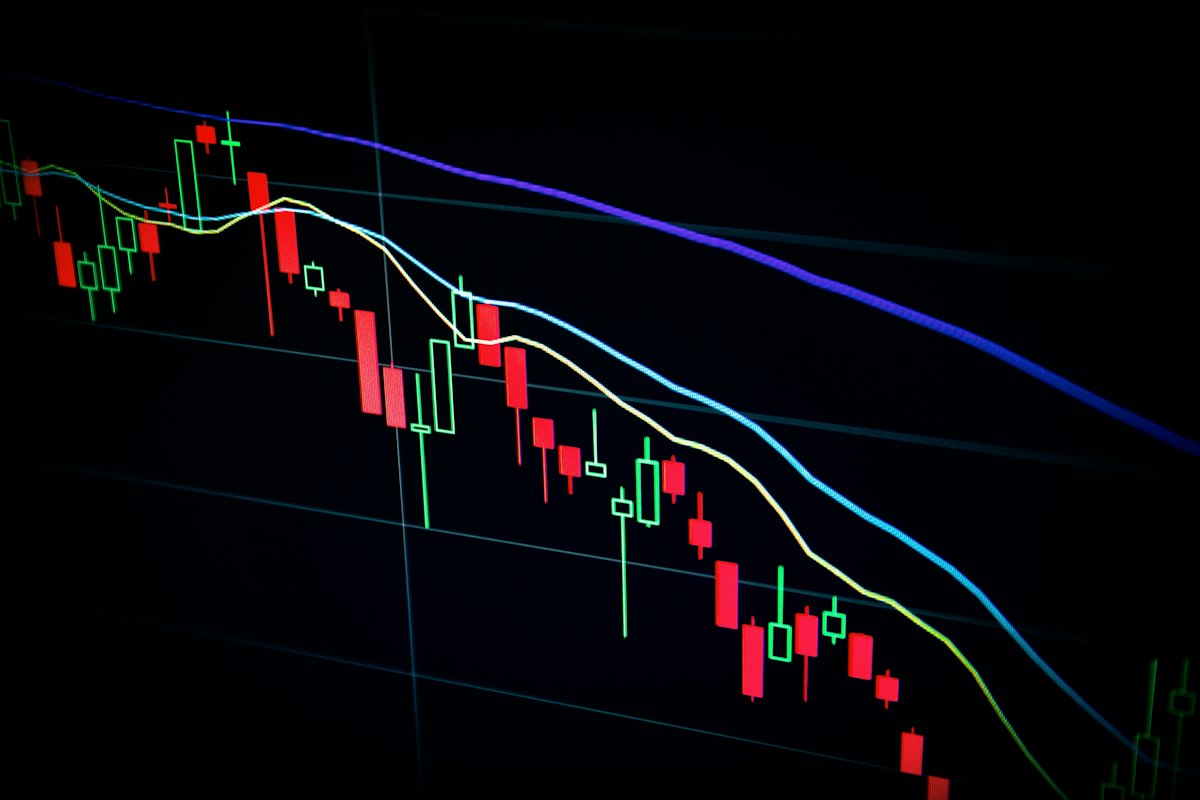
The Execution Framework: Assessing Asset Viability
Analyze the weight. When a nation spends more than it earns for a decade, the eventual correction usually arrives as a sharp, painful devaluation of the currency. It happens fast. Look at the 2022 Sri Lankan crisis, where a lack of foreign exchange reserves led to a total mechanical failure of the state's ability to import fuel (Source: World Bank, 2022). The numbers told the story long before the streets burned.
- Calculate the Interest-to-Revenue Ratio: If more than 20% of government revenue goes to servicing interest, the asset is brittle. This is the first red flag.
- Audit the Hidden Debt: Search for liabilities held by state-owned utilities or regional governments that the central treasury may be forced to assume. These are the silent killers.
- Map the Maturity Wall: Identify the exact dates when large tranches of debt come due. A massive payment due in a year of low reserves is a guaranteed default trigger.
- Verify the Political Will: Determine if the ruling party is more afraid of international creditors or their own voting population. Voters usually win.
Watch the coupons. If the yield spread between a local bond and the US Treasury widens beyond 500 basis points, the market is pricing in a total collapse. This is the signal. In Zambia, the delay in negotiating with a diverse set of creditors, including Chinese lenders, showed how a fragmented creditor base can freeze a recovery (Source: IMF, 2023). Diversification of creditors is often a liability, not a strength.
"The traditional distinction between developed and emerging market debt is blurring as fiscal discipline disappears across the board."— Kristalina Georgieva, Managing Director at the IMF
Debt is a web. When you pull one thread in a developed economy, you often find the same rot in an emerging one. The contagion is real. For example, the Japanese Government Bond (JGB) market remains a ticking clock because the central bank has saturated the market to keep rates low (Source: Bank of Japan, 2023). If those rates move, the whole world feels the shudder.
The Practitioner's Reality: Internal Disputes
Arguments get loud. I recall a heated debate in a London trading room during the Argentine debt disputes where credit analysts fought with portfolio managers over implied guarantees. The analysts pointed to the math, which showed an impossible debt service ratio. The managers argued that political necessity would force a bailout. The mathematicians lost, and the fund took a 40% haircut.
Truth is messy. Most firms pretend that sovereign debt is a binary choice between default and payment. It is not. The real fight happens in the restructuring phase, where creditors argue over the seniority of claims and the length of grace periods. This is where the actual money is made or lost.

Common Pitfalls in Sovereign Trading
Trusting the label. Many investors assume that a G20 member cannot default in the traditional sense. This is a mistake. While they might not stop paying, they can inflate the currency until the bond is worth pennies in real terms. This is a slow-motion default.
- Over-reliance on nominal yields without adjusting for inflation
- Ignoring the 'hidden' debts of state-owned enterprises
- Assuming that IMF bailouts always protect the private bondholder
- Misjudging the speed of currency devaluation
Fact-Check & Accuracy Note
Verifiable data for this guide is drawn from the IMF World Economic Outlook (2023) and World Bank Sovereign Debt reports (2022-2024). Academic debate continues regarding whether 'Modern Monetary Theory' justifies current debt levels or if it simply masks a coming mechanical failure of the bond market.
Editorial Note
Editorial Note: This guide prioritizes the preservation of real capital over nominal returns. It assumes a high-inflation environment where traditional 'risk-free' assets are no longer neutral.