Pegs are myths. The belief that a digital asset maintains a 1:1 ratio with the dollar ignores the mechanical failure that occurs when redemption requests exceed available liquid reserves. This is a gamble. Money moves fast. When a major issuer fails to produce cash in a Nigerian exchange during a local currency crash, the panic spreads across every linked pair. Fear drives the price.
Prerequisites for Risk Management
Start with tools. You need a real-time monitoring suite that tracks the spread between centralized exchanges and decentralized pools across multiple chains. Data is your shield. Setup is key. Without a dashboard that updates every second, you are trading against ghosts while the market moves toward a cliff. Blindness is fatal.
- Multi-chain price aggregation feeds (Oracle-independent)
- Real-time reserve tracking dashboards
- Diversified off-ramp accounts in multiple jurisdictions
- Automated alert systems for peg deviations > 0.5%
How to Manage Liquidity Risk
Execution is everything. You must follow a strict protocol to identify the rot before it reaches your own portfolio. Logic beats hope. Process saves capital. The following steps provide the technical sequence required to isolate your assets from a potential death spiral. Speed is the only metric.
- Audit the reserve composition for liquid assets
- Establish hard-stop exit thresholds
- Map cross-chain collateral dependencies
- Test off-ramp redundancy channels
Check the assets. You must determine if the reserves consist of overnight reverse repo agreements or if they are locked in long-term corporate bonds. Liquidity is everything. Look for audits. A monthly attestation is not a full audit and often hides the true weight of the liabilities during a market downturn. Numbers can deceive.
Fix your limits. Establish a hard exit point at 0.98 or 0.97 to prevent a total wipeout when the market enters a death spiral. Emotion kills portfolios. Automate the trade. Manual execution is too slow when the order books on Binance or Kraken evaporate in a matter of seconds. Speed wins the day.
Trace the web. Identify which decentralized lending protocols use your stablecoin as collateral to avoid a cascading liquidation event. Connections create risk. Find the links. A failure in one pool can trigger a chain reaction that drains liquidity from unrelated assets across the entire network. Everything is linked.
Build more exits. Do not rely on a single exchange in one jurisdiction when political instability in places like Turkey could freeze your accounts. Diversify your ramps. Test the pipes. Attempt small withdrawals during periods of low volatility to ensure your bridge to fiat remains open and functional. Hope is not a strategy.
"The risks posed by stablecoins to financial stability are significant and require urgent global coordination."— Kristalina Georgieva, Managing Director at IMF
The Experience Layer: Internal Frictions
Desks fight daily. I remember the screams during the March 2023 USDC dip where risk officers demanded immediate exits while traders begged to hold for a recovery. Ego clouds judgment. The internal war centered on whether the API delays were a technical glitch or a sign of a total default. No one wanted to blink. Logic fails in panic.
The Mechanics of a Crash
Spirals start small. A slight dip in price triggers algorithmic selling which further lowers the value and forces more holders to exit their positions. Feedback loops destroy. Panic takes over. The TerraUSD collapse showed that once the market loses faith in the mint-and-burn mechanism, no amount of capital can stop the fall. Gravity always wins (Source: Bloomberg, 2022).
| Stablecoin Type | Primary Risk | Liquidity Speed |
|---|---|---|
| Fiat-Backed | Reserve Transparency | Moderate |
| Crypto-Collateralized | Collateral Volatility | Fast |
| Algorithmic | Death Spiral | Instantaneous |
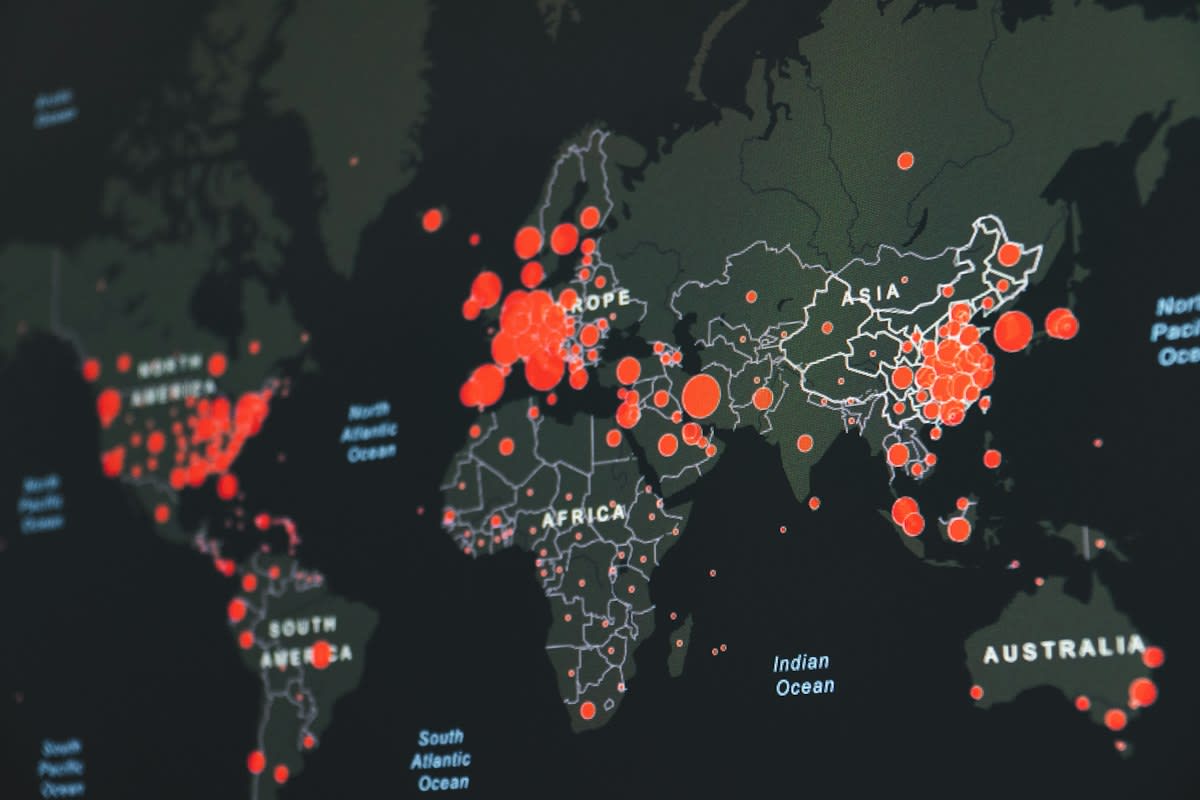
Borders do not matter. In Argentina, where citizens use digital dollars to escape hyperinflation, a depeg is not a trading loss but a survival crisis. Real lives are at stake. Markets are global. A liquidity crunch in a New York bank can instantly wipe out the savings of a merchant in Lagos or a developer in Seoul. The web is tight.
Common Pitfalls
Avoid blind trust. Many operators believe that a high market capitalization provides a safety net, yet the TerraUSD collapse proved that size does not prevent a total wipeout. Scale is not safety. Stop chasing yield. When a protocol offers 20 percent returns on a stable asset, the risk is usually hidden in the collateral quality. High returns signal danger.
- Relying on a single 'trusted' issuer without auditing their balance sheet
- Ignoring the spread between DEX and CEX prices
- Over-leveraging stablecoins in lending protocols
- Following the 'buy the dip' playbook during a fundamental reserve failure
Fact-Check & Accuracy Note
The primary debate in academic circles centers on whether Proof of Reserves (PoR) is sufficient. Critics argue that PoR only shows assets and ignores liabilities, making it a partial picture of solvency. Verifiable sources including CoinDesk (2023) highlight that without a full GAAP audit, solvency remains an assumption.
Editorial Note
This guide is based on practitioner experience during the 2022-2023 market turbulence. It is designed for risk mitigation, not as financial advice. Always verify the current regulatory status of your off-ramps in your specific jurisdiction.
Stay very alert. The next failure will not look like the last one but will instead emerge from a blind spot in the current regulatory framework. Vigilance is mandatory. Watch the spreads. When the gap between the market price and the peg widens for more than an hour, the danger is already here. Act before others.