Excluded voters in SIR states can submit enumeration form, ECI tells Supreme Court
Source Entity
Ananthakrishnan G
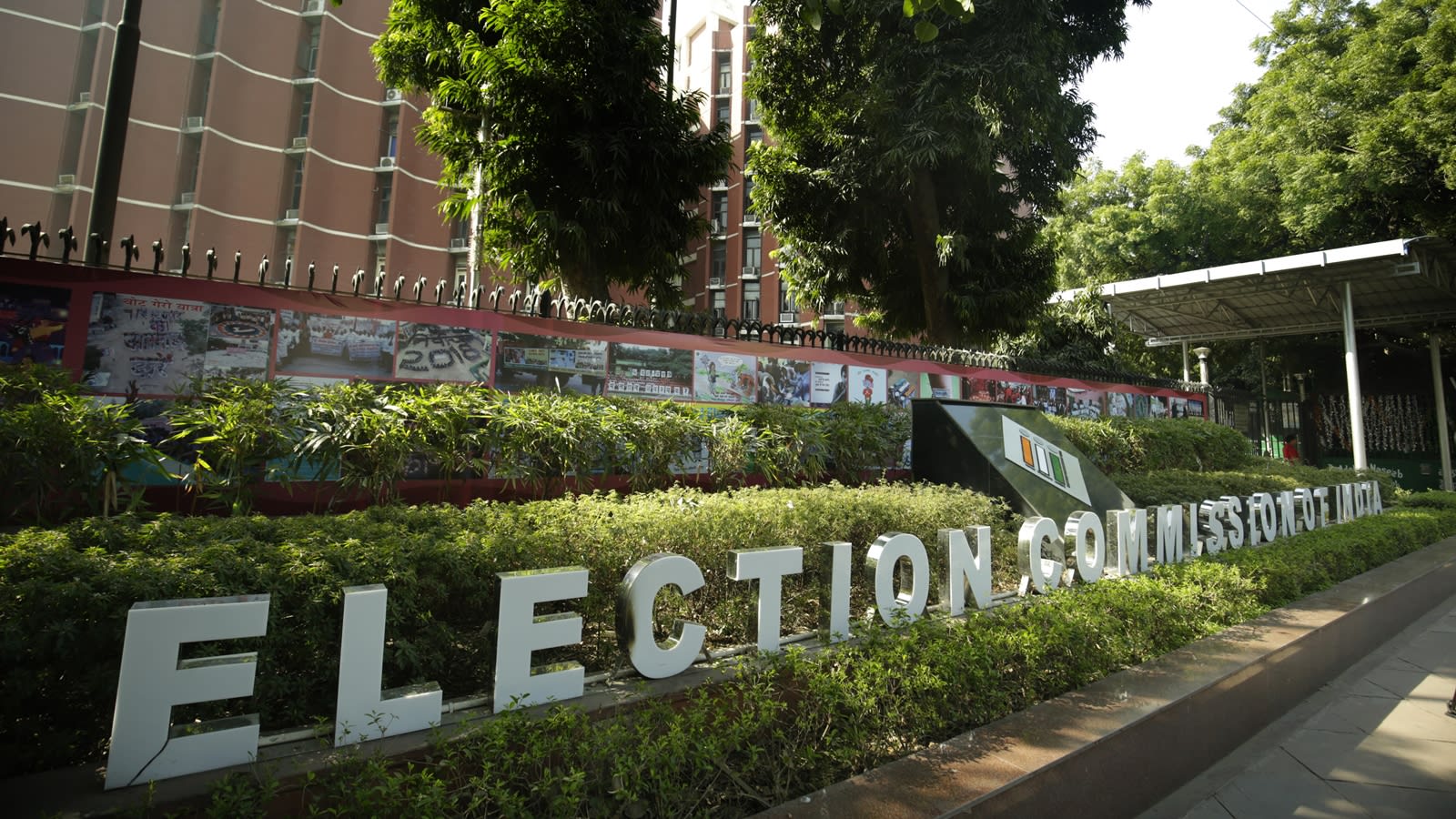
The Election Commission of India has informed the Supreme Court that it will allow voters excluded from draft electoral rolls during the Special Intensive Revision to submit forms for inclusion. This move aims to ensure electoral purity and protect the voting rights of eligible citizens.
ECI Moves to Address Electoral Roll Exclusions
The Election Commission of India (ECI) has recently informed the Supreme Court of its decision to permit voters who were excluded from draft electoral rolls to submit enumeration forms. This development arises specifically in states and Union Territories currently undergoing the Special Intensive Revision (SIR) process. By allowing individuals who failed to submit their enumeration forms to now provide their current ordinary residence, the ECI is taking a proactive step to rectify gaps in the voter registration database.
Upholding Constitutional Responsibility
In a joint affidavit submitted by Chief Election Commissioner Gyanesh Kumar and Election Commissioners Sukhbir Singh Sandhu and Vivek Joshi, the poll body emphasized its unwavering commitment to its constitutional duty. The ECI maintains that the purity of the election process is paramount. By facilitating this remedial measure, the Commission aims to bridge the gap between administrative oversight and the fundamental right of every eligible citizen to exercise their franchise.
Addressing the ASDD Category
This policy shift follows judicial scrutiny during court proceedings on October 28 regarding the Delhi SIR. The Supreme Court had previously suggested that the ECI should develop mechanisms to reach out to voters classified as 'ASDD'—a category encompassing those who are Absent, Shifted, Dead, or Duplicate. The current decision serves as a direct response to these concerns, ensuring that legitimate voters are not unfairly disenfranchised due to bureaucratic complexities or initial non-submission of data.
Broader Implications for Electoral Integrity
Maintaining an accurate and inclusive electoral roll is the bedrock of a functioning democracy. When voters are excluded due to technicalities in the enumeration process, the representative nature of the electoral outcome can be compromised. By implementing this corrective path, the ECI is not only responding to judicial directives but is also reinforcing public trust in the integrity of India’s electoral rolls, which serve as the foundation for all local and national democratic exercises.
Future Trends and Administrative Preparedness
Looking forward, this move suggests a transition toward more dynamic and responsive voter management. As the ECI continues to refine its SIR protocols, the integration of more accessible submission channels for ordinary residence verification will likely become a standard operating procedure. This proactive engagement between the judiciary and the election body signals a more transparent, iterative approach to managing the massive logistical challenge of maintaining the world's largest democratic voter database.
Conclusion
The ECI's recent assurance to the Supreme Court represents a vital safeguard for the Indian electorate. By prioritizing the inclusion of eligible citizens who were previously left out of the draft rolls, the Commission is upholding the spirit of universal suffrage. As the SIR process continues, this flexibility will be crucial in ensuring that no eligible voter is silenced by administrative hurdles, ultimately strengthening the democratic fabric of the nation.
Multiple Citing Sources