Activist Sonam Wangchuk Under 60-Day House Arrest Over Ladakh Anti-Poll Protest
Source Entity
NDTV News Search Records Found 1000
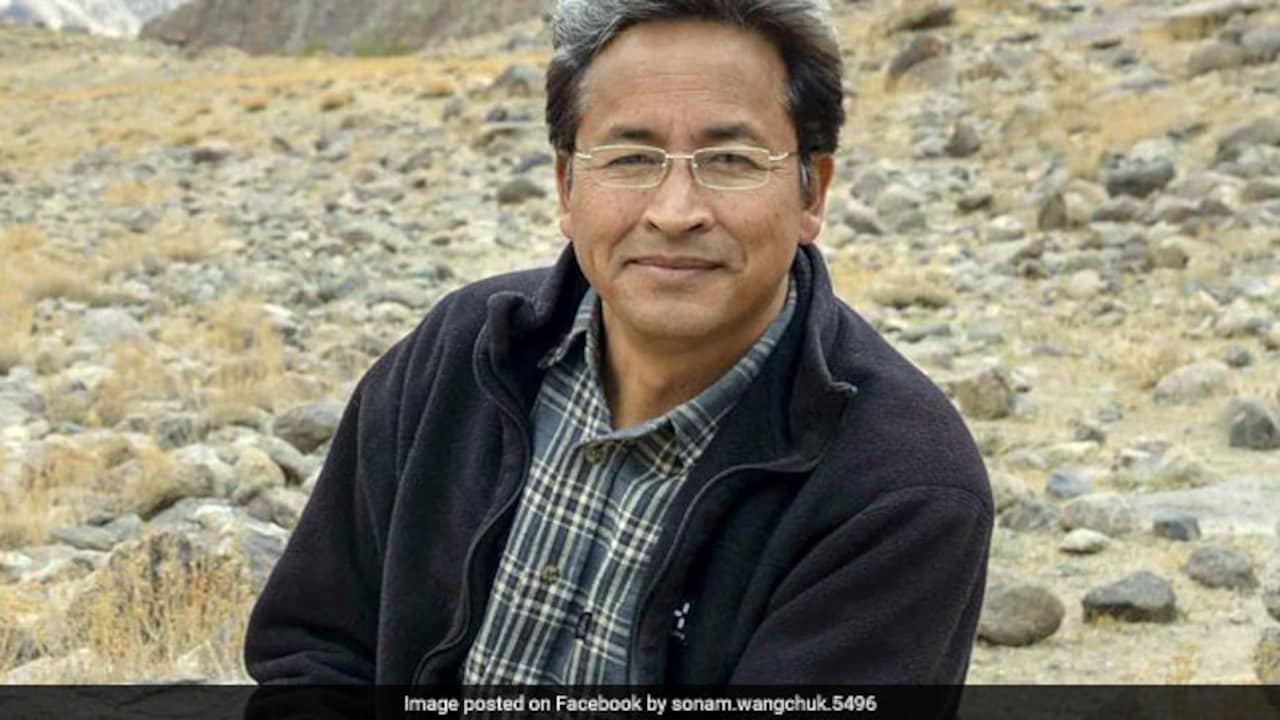
Climate activist Sonam Wangchuk has been placed under 60-day movement restrictions in Ladakh, sparking concern from the Kargil Democratic Alliance. Authorities claim he is not formally arrested, yet police have prevented representatives from meeting him at his residence.
The Containment of Sonam Wangchuk: Administrative Tensions in Ladakh
Recent reports indicate that climate activist Sonam Wangchuk has been placed under a 60-day restriction on his movement by the Ladakh administration. These measures, invoked under Section 163 of the Bharatiya Nagarik Suraksha Sanhita (BNSS), 2023, have created a climate of uncertainty in the Union Territory. While authorities maintain that Wangchuk is not under formal arrest, the physical presence of police surrounding his residence at the Himalayan Institute of Alternatives, Ladakh (HIAL), suggests a significant degree of state-enforced isolation.
The KDA Perspective and Administrative High-Handedness
The Kargil Democratic Alliance (KDA), a prominent civil society body, has vocally opposed these measures. Co-chairman Sajjad Kargili has characterized the restrictions as a "deeply troubling pattern of administrative high-handedness." The tension escalated significantly on November 14, 2026, when a three-member KDA delegation attempted to visit Wangchuk but was blocked by police personnel. This incident highlights a growing disconnect between local civil society leadership and the regional administration regarding the constitutional freedoms of residents in the Union Territory.
The Paradox of Informal Detention
A critical point of contention is the legal ambiguity surrounding Wangchuk's status. When questioned by the KDA delegation, police stated that Wangchuk was not technically under arrest, yet simultaneously denied access to him. This "gray zone" of detention raises serious questions about the transparency of the administration's actions. By restricting movement without the formal procedures of an arrest, the state avoids certain legal obligations while effectively neutralizing the activist's ability to engage with his supporters and colleagues.
Broader Implications for Ladakh
These events are deeply intertwined with the ongoing political discourse in Ladakh. The KDA has consistently advocated for dialogue, accountability, and the preservation of constitutional rights for the people of the region. The restriction of a high-profile figure like Wangchuk—who has been a vocal proponent of environmental and political causes in the high-altitude region—serves as a flashpoint for broader grievances regarding governance, autonomy, and the democratic process in the Union Territory.
Looking Ahead: The Path Toward Dialogue
The future of the region remains precarious if the current impasse continues. The KDA’s demand for an end to these restrictions and a return to open dialogue reflects a desire to de-escalate the situation through political means rather than administrative force. As the 60-day period under the BNSS progresses, the burden remains on the administration to clarify its objectives and address the democratic concerns raised by civil society leaders. Ensuring that constitutional freedoms are respected will be the litmus test for the stability of governance in Ladakh in the coming months.
Verification Required?