Census 2027 turning out to be farce: Congress
Source Entity
India Latest News: Top National Headlines Today & Breaking News | The Hindu
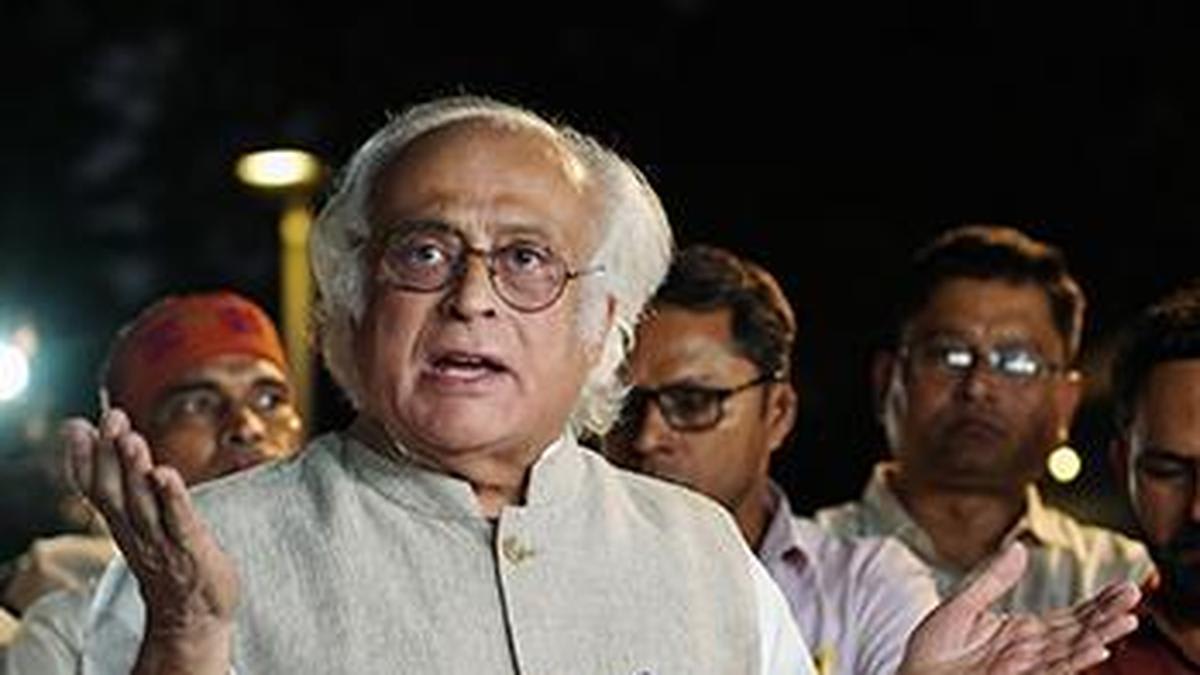
The Congress party has criticized the Census 2027 process as a 'farce' following the inexplicable listing of various sects and religious figures as distinct religions on the government portal. The party warns of grave implications for data accuracy and transparency as the Home Ministry remains silent on these technical errors.
The Integrity Crisis of Census 2027
The Indian National Congress has launched a scathing critique of the upcoming Census 2027, labeling the process a "farce" with potentially grave implications for the nation's demographic data. General Secretary Jairam Ramesh highlighted significant irregularities on the government's self-enumeration portal, noting that the system had categorized various religious figures and sects—including ISKCON, Ramakrishna Paramahamsa, Sanatan, and specific Islamic denominations—as distinct religions among a list of 287 "other" categories.
Technical Malfunctions and Transparency Concerns
The central issue revolves around the lack of transparency regarding the portal's design and data collection methodology. When these specific entries were flagged by observers and queried with the Ministry of Home Affairs, they were abruptly removed from the portal without any formal explanation. This reactive, rather than proactive, approach to data management has fueled concerns regarding the technical oversight of the census, which serves as the bedrock for policy formulation, resource allocation, and social welfare planning in India.
The Impact of Categorization Errors
The implications of miscategorizing religious or social identities in a national census are profound. Census data is not merely a statistical exercise; it is the primary instrument for identifying marginalized groups and determining the reach of government welfare schemes. If the foundational database is compromised by non-standard categories or ill-defined drop-down menus, it risks distorting the socio-economic profile of the country, potentially leading to the exclusion of deserving populations from state benefits.
Institutional Accountability and Governance
Mr. Ramesh’s critique underscores a larger concern regarding the administrative competence of the agencies responsible for the census. By failing to provide a clear explanation for the erroneous entries, the Home Ministry has left a vacuum of information that undermines public trust. In a digital-first administrative model, the reliability of government portals is paramount; when these systems falter, they erode the credibility of the entire census exercise.
Historical Context and Future Implications
The census has historically been a complex administrative challenge in India, often subject to political scrutiny given its role in delineating electoral constituencies and affirmative action policies. The current technical hurdles suggest that the shift toward self-enumeration portals requires more rigorous beta testing and expert validation. If these errors persist, the 2027 Census may face legal challenges and widespread skepticism, potentially complicating the government's ability to implement long-term developmental strategies based on the collected data.
Conclusion
In summary, the controversy surrounding the Census 2027 portal serves as a warning about the risks of hasty digitalization without adequate oversight. As the government moves forward, it must address the technical flaws identified by the opposition to restore faith in the process. Without transparent communication and corrective measures, the "farce" described by the Congress could indeed lead to long-term policy failures and skewed demographic representations that impact the Indian electorate for years to come.
Verification Required?