Air purifiers and winter pollution: Doctor shares how to choose one, from room size to filter type
Source Entity
Latest News: Todays Latest News Headlines from India & World | Hindustan Times
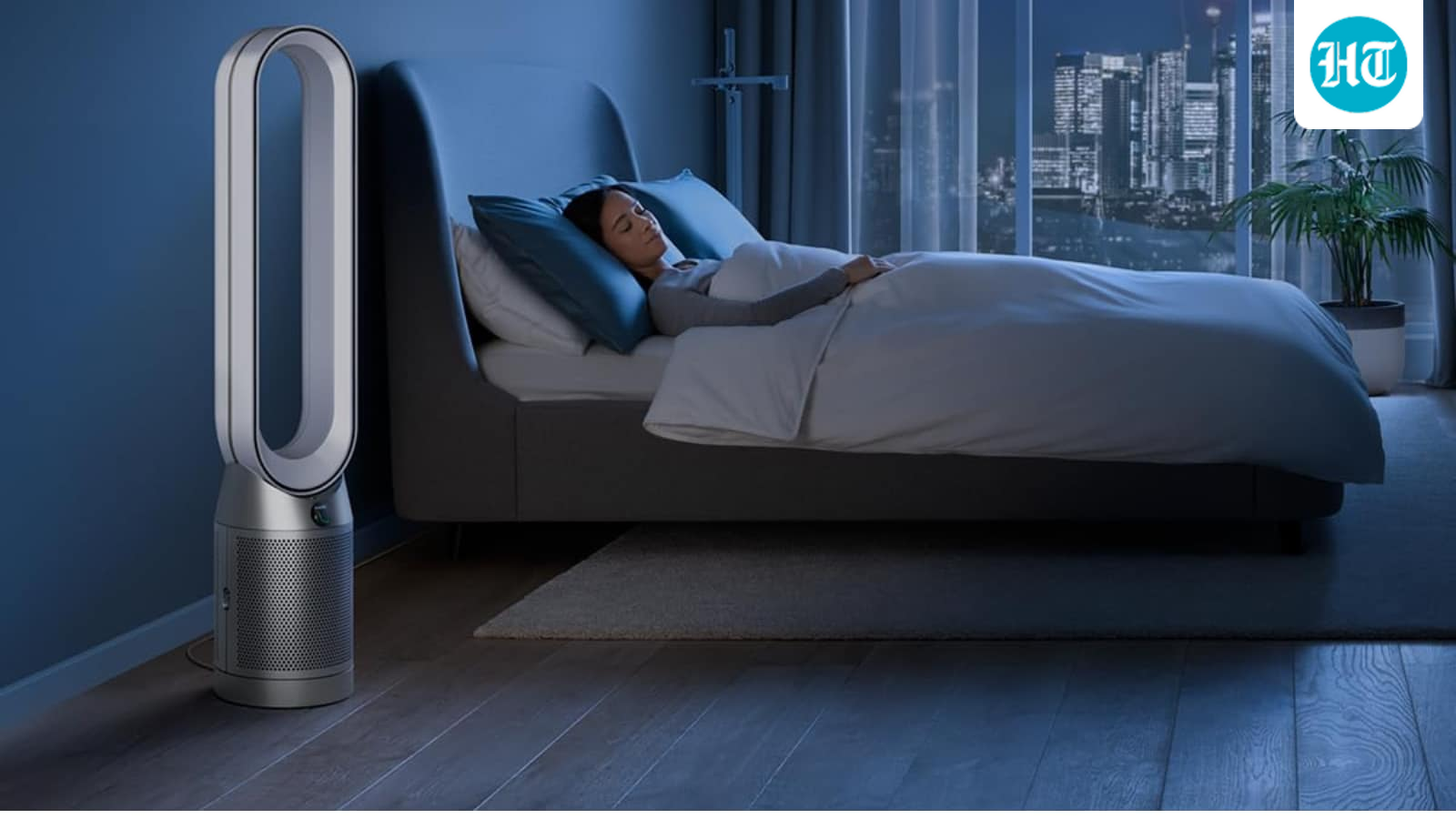
As winter pollution peaks in regions like Delhi NCR, experts emphasize the role of HEPA-certified air purifiers in mitigating health risks. Choosing the right device requires attention to room size and filter specifications to effectively combat particulate matter.
The Silent Threat: Understanding Winter Air Quality
As winter descends upon regions like Delhi NCR, the onset of post-Diwali festivities often marks a critical decline in air quality, frequently plunging the region into hazardous atmospheric conditions. The interplay of meteorological factors and seasonal pollutants creates an environment where air quality indices reach alarming levels. During these periods, public discourse often shifts toward the efficacy of indoor interventions, specifically the role of air purifiers in protecting household occupants from the invisible dangers of stagnant, polluted air.
The Biological Impact of Particulate Matter
The primary concern during these winter months is the prevalence of particulate matter, specifically PM2.5 and PM10, alongside gaseous pollutants like sulphur dioxide and nitrogen oxides. According to Dr. Jeenam Shah of Jaslok Hospital, PM2.5 is particularly insidious because of its microscopic size. These particles possess the ability to penetrate deep into the human pulmonary system, crossing the alveolar-capillary barrier to enter the bloodstream. This systemic infiltration is known to trigger widespread inflammation, which can exacerbate pre-existing respiratory and cardiovascular conditions, while even healthy individuals may suffer from acute symptoms like headaches, sore throats, and eye irritation.
Navigating the Air Purifier Market
For consumers looking to mitigate these risks, the market can be overwhelming. The foundational advice from medical experts is to prioritize devices equipped with High-Efficiency Particulate Air (HEPA) filters. A HEPA filter is the gold standard for residential use, designed to trap 99.97% of particles that are 0.3 microns in diameter. However, simply buying a device is insufficient; experts stress that the unit must be correctly sized for the specific room dimensions. An undersized purifier will fail to cycle the air volume effectively, rendering it largely ineffective against the heavy particulate load characteristic of winter smog.
Limitations and Holistic Health Strategies
It is essential to understand that air purifiers are a supplementary tool rather than a total solution. While they significantly improve indoor air quality by reducing the concentration of harmful pollutants, they cannot eliminate the risks posed by outdoor exposure. Furthermore, they are not a substitute for medical intervention. Individuals with chronic obstructive pulmonary disease (COPD), asthma, or heart conditions must continue to follow their prescribed medical regimens regardless of indoor air purification efforts.
Future Trends and Public Health Awareness
As pollution levels continue to pose seasonal challenges, we are likely to see a trend toward smarter, integrated air quality management systems in residential architecture. Future consumer technology will likely focus on real-time air quality monitoring paired with automated purification intensity adjustments. Ultimately, the shift toward proactive environmental health management reflects a growing public awareness of the long-term impacts of air pollution, moving beyond reactive measures toward more consistent, data-driven indoor health strategies.
Verification Required?