Coffee during periods: Gynaecologist clears up common doubts, from if it worsens cramps to heavier flow
Source Entity
Latest News: Todays Latest News Headlines from India & World | Hindustan Times
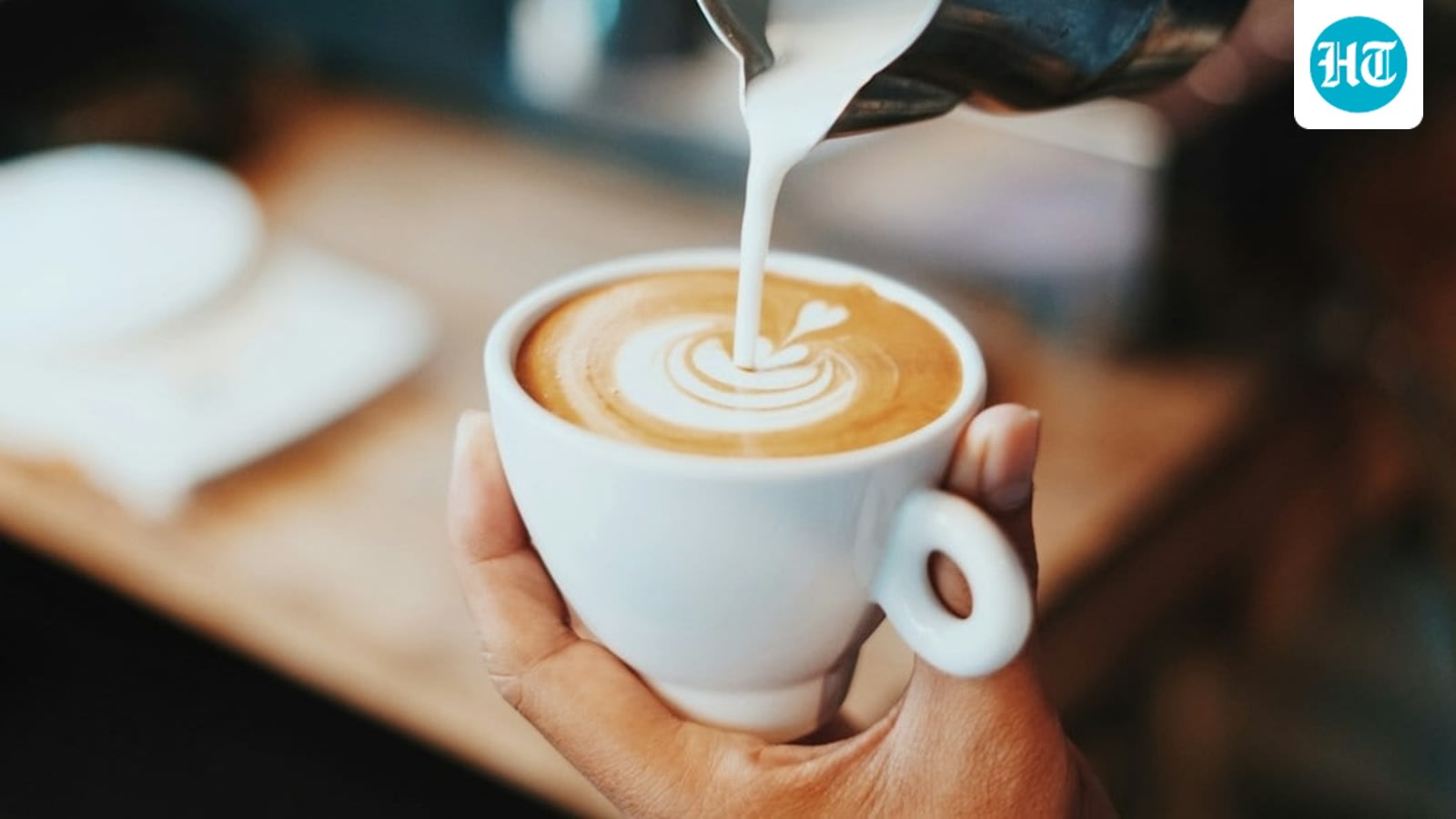
Gynaecologists clarify that coffee does not universally worsen period symptoms like cramps or heavy flow. Individual reactions to caffeine vary, and tracking personal symptoms is the best approach to managing intake during menstruation.
The Relationship Between Caffeine and Menstrual Health
For many, the morning cup of coffee is a non-negotiable ritual, yet it often comes under intense scrutiny during menstruation. As individuals navigate the discomfort of their monthly cycle, the question arises: does caffeine exacerbate the physical toll of periods? Recent expert insights suggest that the answer is nuanced rather than binary, emphasizing that coffee is not an inherent enemy of menstrual comfort.
Understanding the Mechanism of Cramps
To comprehend how diet might influence periods, one must first look at the biological drivers of menstrual pain. Dr. Chaudhary explains that period cramps are primarily caused by prostaglandins—hormone-like chemicals that trigger uterine contractions to shed the endometrial lining. While these contractions are a natural and necessary part of the cycle, they are also the source of significant distress for many, leading to the search for dietary adjustments that might mitigate this pain.
The Variability of Individual Response
One of the most critical takeaways from current gynaecological consensus is that the impact of coffee is highly individualized. There is no universal rule stating that caffeine worsens cramps or increases menstrual flow for every person. Instead, the effect depends largely on an individual's unique sensitivity to caffeine and their pre-existing symptom profile. For some, caffeine may act as a vasoconstrictor, which could theoretically influence blood flow or pain perception, while for others, the effect is negligible.
The Role of Symptom Tracking
Because the physiological response to caffeine varies so widely, experts advocate for a personalized approach to health management. Rather than adhering to blanket advice to eliminate coffee entirely, individuals are encouraged to actively track their symptoms. By monitoring how they feel after consuming caffeine during their period, people can make informed decisions about whether to maintain or reduce their intake based on their own lived experience.
Broader Implications for Lifestyle Management
This perspective shifts the focus from restrictive dieting to self-awareness. In the context of broader menstrual health, the conversation highlights that while certain lifestyle factors can influence hormonal balance and pain perception, they rarely act in isolation. Understanding one's own body remains the most effective tool in managing menstrual health, allowing for a balanced lifestyle that does not unnecessarily sacrifice personal comforts.
Conclusion: A Balanced Perspective
Ultimately, the science suggests that coffee does not automatically exacerbate menstrual symptoms for everyone. While it is natural to seek out dietary remedies to alleviate the discomfort of prostaglandins, it is unnecessary to view coffee as a universal culprit. By maintaining a mindful awareness of personal symptoms, individuals can navigate their cycles with confidence, enjoying their routines while prioritizing their physical well-being.
Verification Required?