
The Geopolitical Math of Extraction
Africa holds over a quarter of the world's known critical mineral reserves. These deposits include copper, manganese, bauxite, and lithium. Most potential projects remain stalled in planning stages. Less than 10 percent of mining ventures actually break ground. This discrepancy reveals a profound failure in execution. While Washington spends billions on domestic supply chains, the physical reality resides in the soil of the Global South.
Washington focuses on legalities while the ground moves. MP Materials recently filed a lawsuit against USA Rare Earth, alleging the theft of proprietary technology through a former employee. Such internal disputes highlight the instability of the US domestic push. Legal battles over firmware and patents are irrelevant when the raw materials are locked behind infrastructure failures in Kinshasa. A firmware bug in Taipei is a nuisance; a brownout in Kinshasa is a strategic blockade.
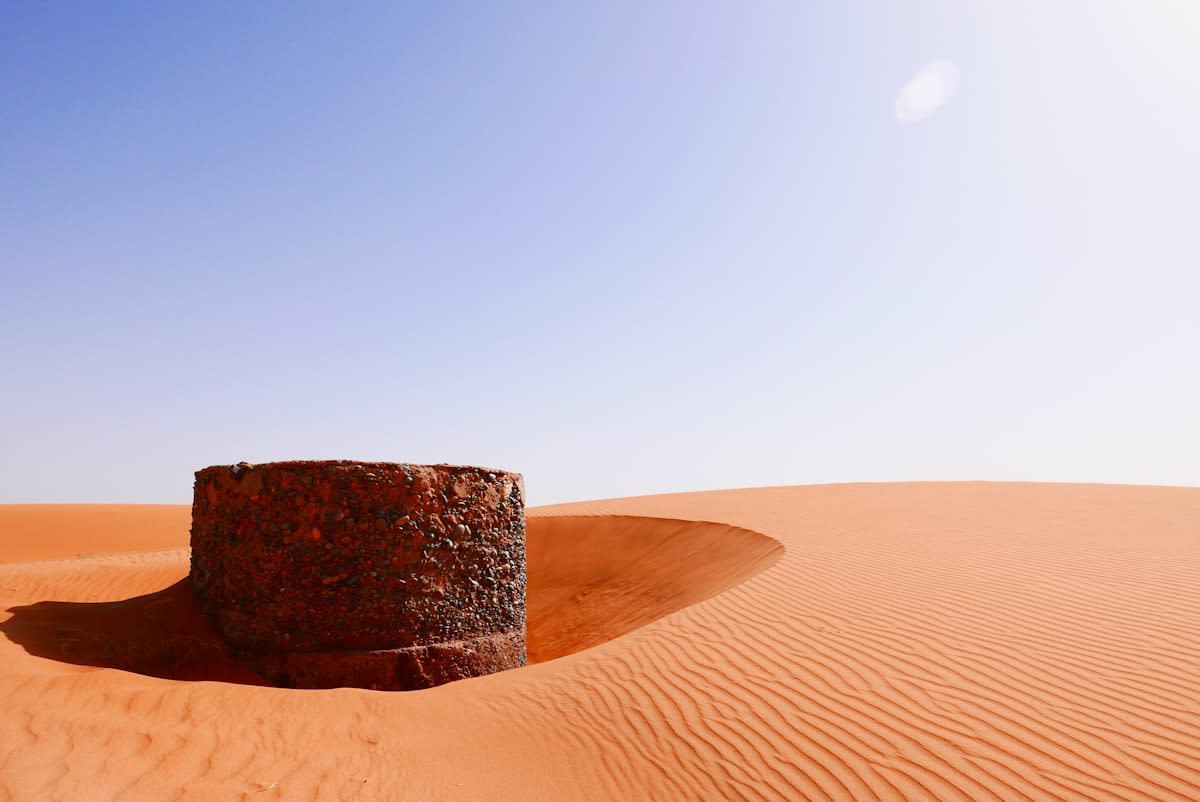
Niger provides a stark example of this accessibility. At the Arlit uranium mine, workers descend only sixty meters to reach the ore. This proximity to the surface minimizes the energy cost of extraction. Western companies attempt to replicate this efficiency through expensive technology. They fail because they ignore the geological advantage of the Sahara. Physical depth is a cost that no amount of government subsidy can fully erase.
| Metric | African Reserve Status | Project Execution Rate | Estimated Untapped Value |
|---|---|---|---|
| Critical Minerals | 25% + of Global Total | < 10% | $8.5 Trillion |
| Key Elements | Cu, Mn, Al, Li | Low | High |
| Primary Bottleneck | Infrastructure/Policy | Stagnant | Under-capitalized |
Untapped resources are estimated at 8.5 trillion dollars. This figure is a theoretical maximum. Actual realization depends on the ability to move ore from a pit to a port. Financing remains a primary hurdle. Policy inconsistencies in host nations further deter long-term capital. Investors prefer the safety of established markets over the high-reward volatility of the African interior.
The Beijing Leverage
Beijing's new export restrictions are designed to leverage this exact gap. By limiting the outflow of processed minerals, China forces Western powers to choose between expensive domestic failures or risky African ventures.
State-owned enterprises are now taking the lead. The African National Mining Companies Forum, scheduled for October 2026 in Cape Town, signals a move toward domestic control. Liberia is advancing plans for a national mining company to unlock iron ore. Guinea utilizes the Nimba Mining Company as part of its Simandou 2040 strategy. These nations are tired of exporting raw ore for pennies. They want processing plants on their own soil.
"Africa holds more than a quarter of the world’s known critical mineral reserves, but unless African countries fix long-standing infrastructure, financing and policy challenges, the continent risks missing one of the biggest mining investment opportunities in decades."— Business Insider Africa
Corporate networking events often mask these hard truths. The 2026 Joburg Indaba and the Resources for Africa Coal & Energy Transition Day serve as hubs for senior executives. Lithium Africa Resources Corp uses these forums to maintain its position in the ecosystem. However, gala dinners in Sandton do not build railways. The distance between a luxury hotel and a lithium deposit is measured in missing bridges and corrupt customs offices.
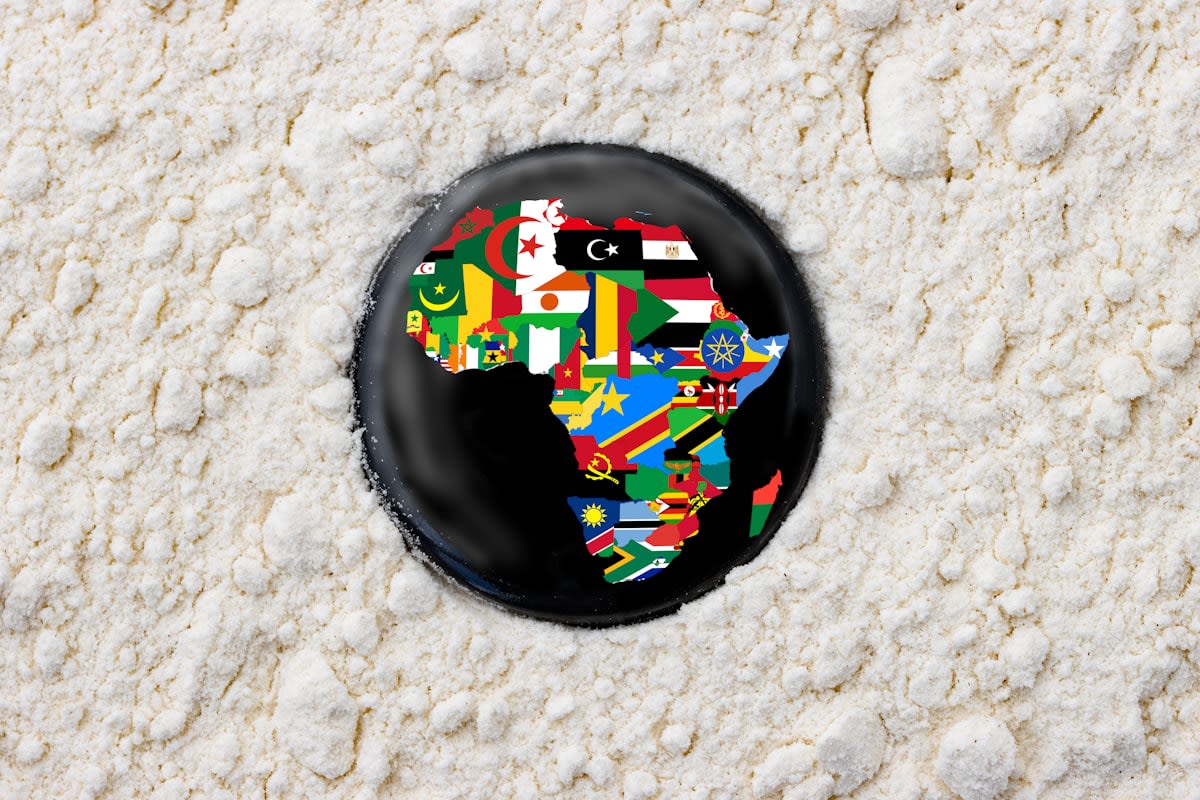
Logistics constraints in South Africa continue to plague the energy transition. Coal remains a problematic anchor. Policy clarity is absent. Investment frameworks are outdated. This stagnation occurs while the rest of the world screams for battery metals. The irony is that the minerals exist, but the means to move them are broken.
US ambitions are currently a series of expensive experiments. Billions are poured into public-private partnerships. These funds often end up in the pockets of consultants rather than in the ground. The legal row between MP Materials and USA Rare Earth is a symptom of a desperate industry. When you lack the raw material, you fight over the blueprints. It is a war of attrition fought in courtrooms rather than mines.
Beijing understands the physical game. They do not sue their partners; they build the roads. China's strategy focuses on the entire chain from the pit to the magnet. Western strategy focuses on the patent. This is why the US remains vulnerable despite its financial might. Patents cannot be smelted into steel.
Domestic processing is the next frontier for African states. Guinea's Simandou 2040 strategy is not about mining; it is about value retention. By processing bauxite and iron ore locally, they strip the West of its middleman advantage. This movement reduces dependence on raw mineral exports. It creates a new class of industrial power in West Africa.
Strategic analysts often mistake activity for progress. Meetings in Cape Town are not production quotas. Lawsuits in Washington are not supply chains. The only metric that matters is the tonnage of ore leaving the port. Currently, that tonnage is far below the geological potential. The gap is where the real power struggle resides.
Conclusion requires a cold look at the numbers. 25 percent of reserves versus 10 percent execution is a failing grade. The US legal battles are a distraction. Africa's rise as a mineral hub is inevitable, but its timing is dictated by the speed of concrete and steel, not the speed of legislation.