
For decades, the hallmark of extreme wealth was the trophy asset. It was the singular Picasso in the foyer, the sprawling estate in the Cotswolds, or the monolithic commercial tower in Midtown Manhattan. Total ownership signaled total control. But a systemic pivot is underway. The new global elite—defined less by inherited land and more by agile, tech-native capital—are quietly trading the prestige of the deed for the precision of the slice. They no longer want the whole building; they want 1% of a hundred buildings across five continents.
Why this sudden migration? It is not a lack of capital, but a sophisticated reaction to the liquidity trap. Whole assets are cumbersome. They are slow to sell, expensive to maintain, and geographically tethered. In an era of rapid geopolitical volatility, being 'all-in' on a single physical location is no longer a sign of strength—it is a concentrated risk. The pivot to fractionalization transforms illiquid prestige into a liquid portfolio, allowing the ultra-high-net-worth individual (UHNWI) to pivot their exposure in real-time.
The Liquidity Premium and the Death of the Trophy
The mathematical driver here is the liquidity premium. When an investor owns a $50 million piece of commercial real estate, exiting that position can take months, if not years, of due diligence and legal friction. By fractionalizing that asset via tokenization or specialized investment vehicles, the asset is broken into tradeable units. According to a report by Boston Consulting Group (Source: BCG, 2022), the tokenization of global illiquid assets is projected to reach $16 trillion by 2030. This isn't just about tech; it is about the fundamental desire to move capital at the speed of a click rather than the speed of a notary.
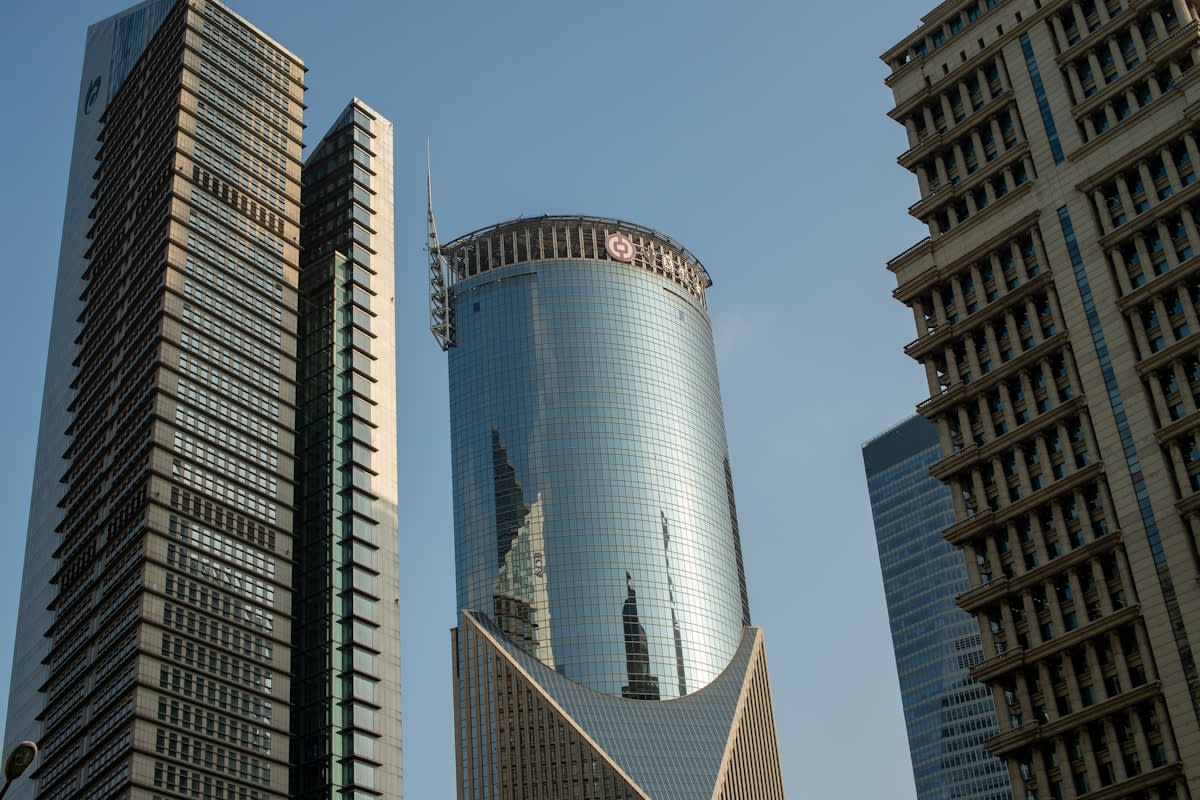
Does this diminish the allure of ownership? For the old guard, perhaps. But for the strategic analyst, the 'prestige' of a physical key is a liability. The new elite view assets through the lens of the Sharpe ratio—maximizing return per unit of risk. By owning slices of a diversified basket of assets—say, a mix of sustainable forestry in Brazil, luxury warehouses in Singapore, and blue-chip art in London—they achieve a level of risk mitigation that a single trophy asset can never provide.
"The financialization of everything is reaching its logical conclusion. We are moving from an era of owning things to an era of owning the economic rights to things."— Larry Fink, CEO of BlackRock
This shift is particularly evident in the rise of Real World Asset (RWA) tokenization. By utilizing blockchain to represent ownership, the friction of cross-border transactions vanishes. A family office in Dubai can now acquire a fractional share of a Swiss vineyard without the need for a local entity or a mountain of paperwork. This creates a global, 24/7 market for assets that were previously locked behind the gates of exclusivity and regional bureaucracy.
Wait, is this merely a trend for the tech-savvy, or a structural change in how wealth is preserved? The evidence suggests the latter. We are seeing a convergence of traditional private equity and decentralized finance. The goal is no longer just 'diversification' in the 60/40 sense, but 'granular diversification'—the ability to isolate specific risk factors across a global map.
The Practitioner's Friction: What Happens in the Room
On the ground, this pivot creates a fascinating tension within family offices. I have sat in rooms where the patriarch insists on the 'security' of a physical deed, while the next-generation CIO argues for a tokenized portfolio. The debate isn't about the asset's value—it is about custody and trust. The old guard asks, 'Who holds the key?' The new guard asks, 'Who controls the smart contract?' This friction is where the real work of the fractional pivot happens. It is a psychological transition from trusting an institution to trusting a protocol.
Practitioners are currently debating the 'valuation lag.' In a whole-asset world, valuations happen quarterly or annually. In a fractional, tradeable world, the market provides a real-time price. This volatility can be jarring for those used to the stagnant, smoothed-out valuations of traditional real estate. However, the transparency is a feature, not a bug. It eliminates the 'valuation theater' often found in private equity reports.
| Metric | Whole Asset Ownership | Fractionalized Ownership |
|---|---|---|
| Liquidity | Low (Months/Years to exit) | High (Near-instant tradeability) |
| Entry Barrier | Extreme (Full purchase price) | Low (Minimum slice size) |
| Risk Profile | Concentrated (Single point of failure) | Diversified (Spread across assets) |
| Management | Direct/Active (High overhead) | Passive/Managed (Low overhead) |
| Valuation | Periodic/Appraisal-based | Dynamic/Market-based |
The geographical spread of this movement is telling. In Singapore, the surge of family offices has led to a massive appetite for fractionalized private equity and venture capital. In the UAE, the focus has shifted toward tokenized real estate to attract foreign capital without the traditional ownership hurdles. This is a global synchronization of capital, where the asset's location matters less than its yield and its liquidity.

Is there a risk to this approach? Absolutely. The primary concern is the 'layer of abstraction.' When you own a slice of a slice, you are reliant on the platform managing the asset. If the fractionalization entity fails, the legal recourse for a 0.1% owner is significantly more complex than for a sole owner. This has led to a surge in demand for regulated custodians and institutional-grade smart contracts that can survive the collapse of the issuing platform.
Despite these risks, the momentum is irreversible. The shift toward 'slicing' is a reflection of a broader economic trend: the transition from a world of scarcity-based prestige to a world of efficiency-based wealth. The new elite are not interested in the burden of the asset; they are interested in the cash flow and the optionality that the asset provides.
We are witnessing the birth of a 'liquid luxury' asset class. By decoupling the economic benefit of an asset from its physical possession, the market is unlocking trillions in dormant value. The result is a more resilient global financial system where capital can flow to the most productive assets regardless of the size of the investor or the location of the property.
Fact-Check & Accuracy Note
Key claims regarding the $16 trillion tokenization projection are sourced from the Boston Consulting Group (BCG) 2022 report on the digitalization of assets. The shift in UHNWI behavior toward RWA (Real World Assets) is an ongoing trend observed across major financial hubs including Singapore and Dubai. Debate continues regarding the legal enforceability of fractional tokens in jurisdictions without explicit digital asset laws.