The Narendra Modi I saw up close
Source Entity
Nripendra Misra
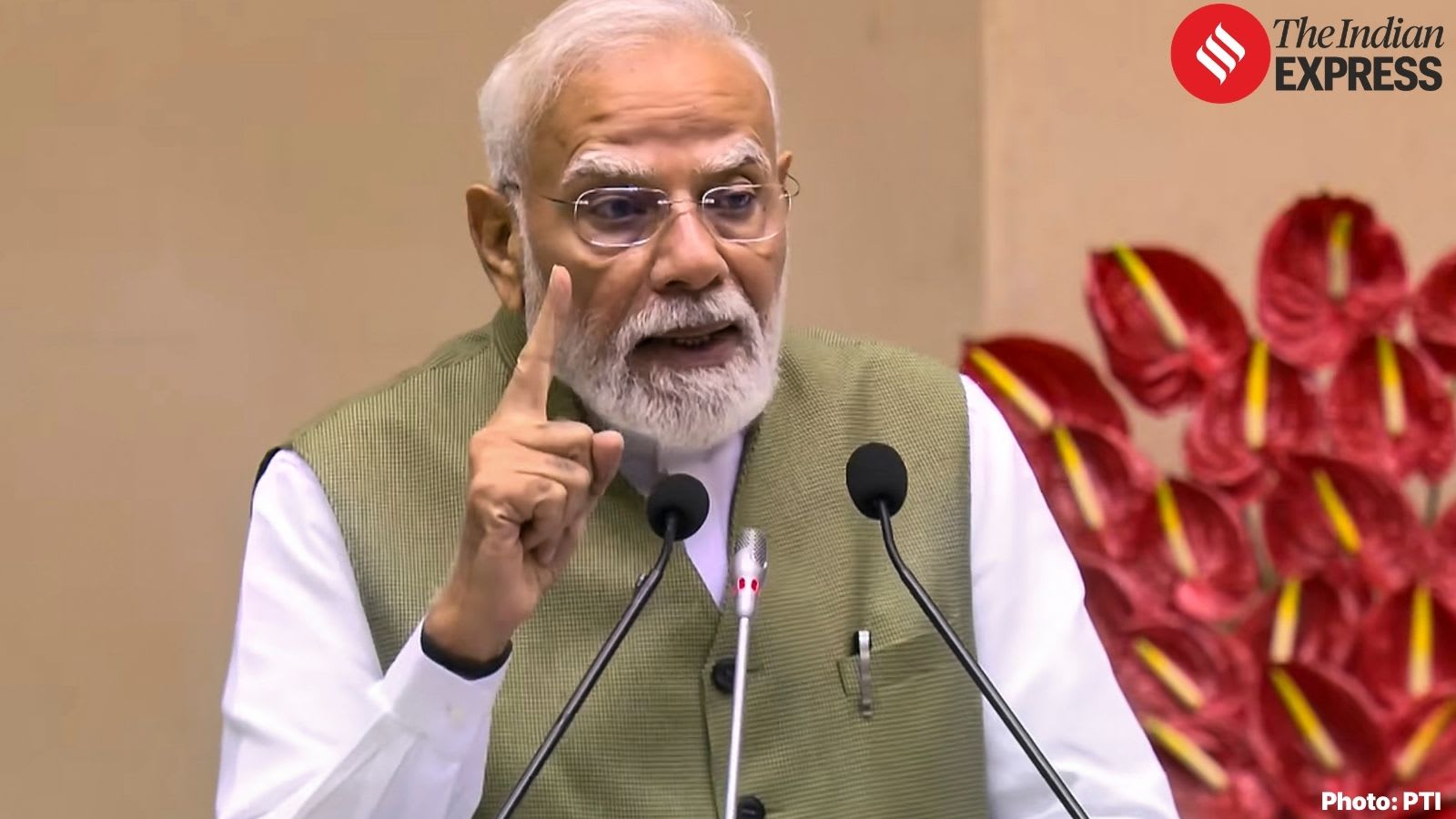
The Union Cabinet has approved the Integrated Transport & Logistics Authority (ITLA) to unify infrastructure planning across roads, rail, and ports. This apex body will oversee projects exceeding ₹500 crore, ensuring multi-modal efficiency as India continues its long-term development trajectory.
A Unified Vision for India’s Infrastructure
The Union Cabinet’s recent decision to establish the Integrated Transport and Logistics Authority (ITLA) represents a strategic shift in how India approaches national infrastructure. By creating an apex body tasked with integrating roads, railways, ports, aviation, and waterways, the government is moving away from fragmented, sector-specific development toward a cohesive, multi-modal national network. This shift is designed to ensure that the nation’s logistics capacity keeps pace with economic growth, acknowledging that for every 7% rise in GDP, logistics demand tends to grow by 10%.
The Role of the ITLA in Strategic Planning
At the core of the ITLA’s mandate is the creation of a National Transport Master Plan with a horizon of at least 10 years. This long-term perspective is a significant departure from traditional annual or short-term planning cycles. By checking five-year sectoral plans against this master document, the authority ensures that new capacity is built with a holistic view, preventing the inefficiencies often associated with siloed infrastructure development.
Financial Oversight and Project Appraisal
The ITLA is empowered to technically appraise all government infrastructure projects valued at ₹500 crore or more. While financial appraisal remains under the purview of existing fiscal departments, the ITLA’s technical oversight ensures that major investments align with the overarching goals of the National Transport Master Plan. This layer of scrutiny is intended to optimize capital expenditure and ensure that multi-modal connectivity is prioritized in every major development initiative.
Contextualizing Growth and Leadership
This policy development occurs against the backdrop of Prime Minister Narendra Modi’s 25-year tenure in executive office, a period characterized by a focus on long-term national transformation. The establishment of the ITLA reflects a broader administrative philosophy that emphasizes vision, integrity, and the ability to execute complex, multi-decade projects. As India navigates its path as a global economic power, the integration of logistical frameworks serves as a tangible example of the leadership-driven transformation that has defined the last quarter-century of Indian governance.
Future Implications for Indian Logistics
The move toward a unified logistics framework is expected to significantly reduce the cost of doing business in India. By streamlining data integration across disparate sectors—including urban mobility and aviation—the ITLA aims to eliminate bottlenecks that have historically plagued supply chains. The success of this authority will likely be measured by its ability to transition India from a collection of individual transport modes into a seamless, interconnected logistics ecosystem capable of supporting a rapidly expanding economy.
Conclusion
The creation of the ITLA is a landmark policy decision that bridges the gap between ambitious national goals and practical infrastructure implementation. By standardizing project appraisal and enforcing long-term planning, the government is building the structural capacity required for sustained growth. As this new authority begins its work, it will serve as a critical mechanism for ensuring that India’s future transport network is as efficient, modern, and unified as the nation’s rising global ambitions.
Multiple Citing Sources