‘Not conducive’: Centre opposes Balwant Rajoana’s death commutation plea in Supreme Court
Source Entity
Latest News: Todays Latest News Headlines from India & World | Hindustan Times | Hindustan Times
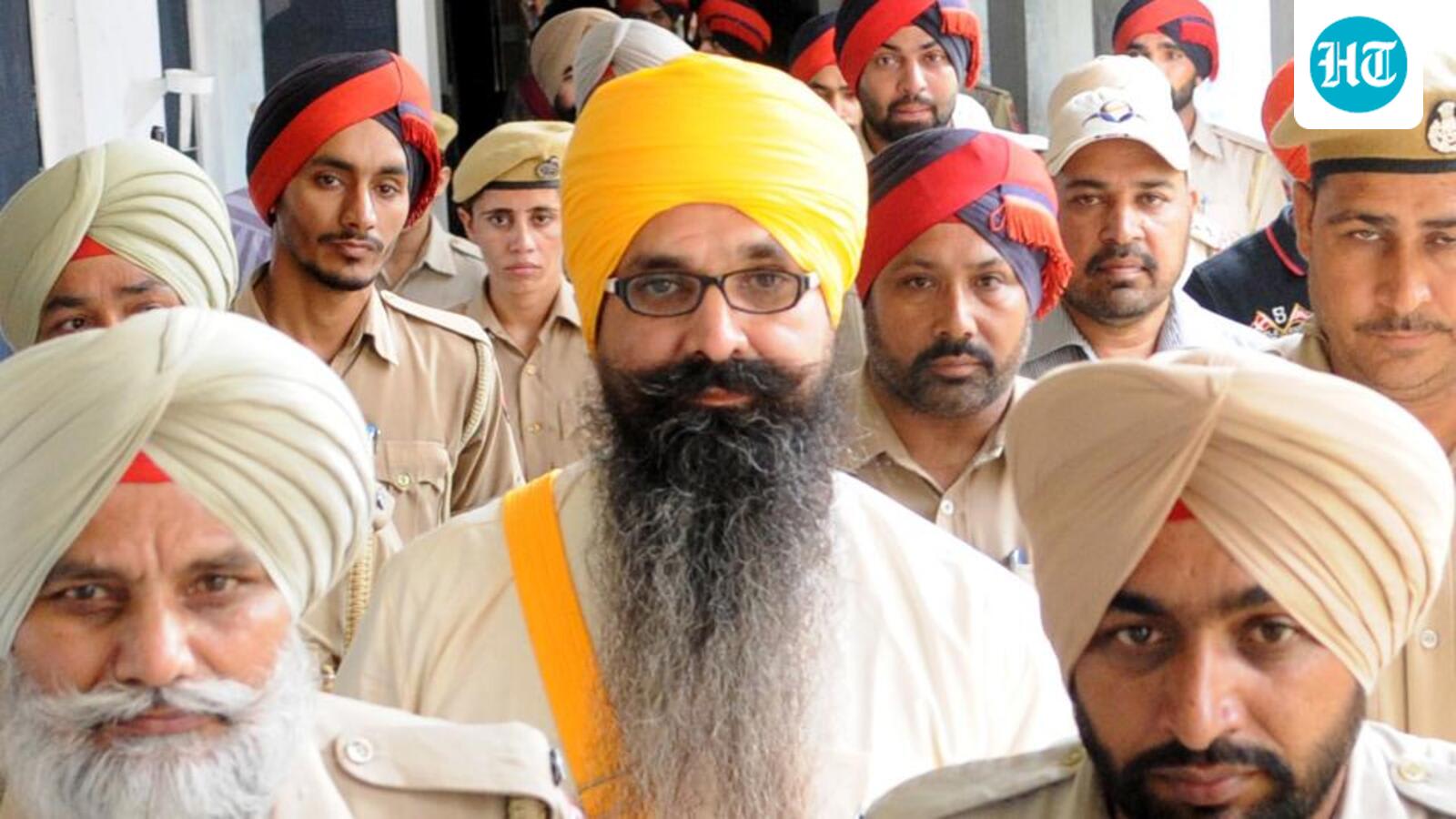
The Centre has formally opposed Balwant Singh Rajoana's plea to commute his death sentence for the 1995 assassination of Punjab CM Beant Singh. Officials cited the sensitive security situation in Punjab as the primary reason for refusing to expedite the pending mercy petition.
The Legal and Political Standoff in the Rajoana Case
The legal battle surrounding Balwant Singh Rajoana, a former Punjab Police constable convicted for his role in the 1995 assassination of former Punjab Chief Minister Beant Singh, has reached a critical juncture. After spending over 30 years in custody and nearly two decades on death row, Rajoana has petitioned the Supreme Court of India, seeking the commutation of his death sentence. His petition centers on the protracted delay in the processing of his mercy plea, which has remained pending before the President of India since 2012.
The Government’s Position: Security Concerns
In recent proceedings before a Supreme Court bench led by Justice Vikram Nath, the Union government, represented by Additional Solicitor General (ASG) KM Nataraj, formally opposed the commutation request. The Centre’s argument is rooted in the current stability and security climate of Punjab. By stating that the situation in the state is "not conducive" to a decision, the government has signaled that the potential for unrest or a resurgence of extremist sentiments remains a primary factor in its executive decision-making process regarding high-profile death row convicts.
Historical Context: The 1995 Assassination
To understand the gravity of this case, one must look back at the events of August 31, 1995. A suicide bombing outside the Punjab Civil Secretariat in Chandigarh resulted in the death of Beant Singh, a pivotal figure in the state's post-militancy era. Rajoana, an operative of the Babbar Khalsa, was found guilty of orchestrating the attack. A special court sentenced him to death in 2007, a verdict that was subsequently upheld by the Punjab and Haryana High Court in 2010. The case has since become a focal point for debates regarding justice, judicial delay, and the executive's power of clemency.
The Tension Between Delay and Justice
The core of Rajoana's legal challenge rests on the argument that the 12-year delay in addressing his mercy petition constitutes an infringement of his rights. In Indian jurisprudence, excessive delay in disposing of a mercy petition has occasionally served as grounds for commuting a death sentence to life imprisonment. However, the Centre’s latest intervention highlights the tension between the procedural rights of a convict and the state's prerogative to maintain public order, especially in regions with sensitive political histories.
Broader Implications and Future Trends
This case highlights the complex interplay between the judiciary and the executive branch. While the Supreme Court serves as the final arbiter of legal rights, the power to grant mercy rests with the President, acting on the aid and advice of the Union Cabinet. By citing the "prevailing situation" in Punjab as a reason for inaction, the Centre is effectively asserting that national security and regional stability can override the standard timelines for administrative processes. As the Supreme Court continues to deliberate, the outcome will likely set a precedent for how the state balances historical accountability with the evolving political realities of sensitive border regions.
Verification Required?