
For thirty years, the global economy operated on a singular, unwavering religion: the Efficient Frontier. Corporations chased the lowest possible unit cost, treating the world as a flat map of labor arbitrage and logistics hubs. If a component could be made for three cents less in a distant province, the supply chain shifted there, regardless of the political climate or the distance from the end consumer. This was the golden age of offshoring, a period where economic interdependence was seen as a guarantee of peace. We believed that if countries were too entwined to fight, they wouldn't. We were wrong.
The fracture began when the world realized that efficiency is a liability during a crisis. When borders closed and geopolitical tensions spiked, the 'just-in-time' model revealed itself as a fragile house of cards. Suddenly, the cheapest source was the most dangerous source. This realization birthed friendshoring—the strategic redirection of supply chains toward political allies and trusted partners. It is not merely a trend in logistics; it is a fundamental restructuring of global capital. We are no longer optimizing for price; we are optimizing for survival.
The Loyalty Tax: Paying for Peace of Mind
Friendshoring introduces a hidden cost that economists are calling the 'Loyalty Tax.' When a company moves production from a low-cost, non-aligned hub to a higher-cost, aligned partner, the price of the final product inevitably rises. Why? Because the new location is rarely the most efficient one; it is simply the safest one. This shift represents a conscious decision to accept lower margins in exchange for reduced systemic risk. Is this a sustainable model, or are we simply baking permanent inflation into the global economy?
"Geoeconomic fragmentation could reduce global GDP by as much as 7% in a severe scenario, as the world splits into rival blocs that prioritize security over trade efficiency."— International Monetary Fund (IMF), World Economic Outlook 2023
This fragmentation creates a paradox. While individual firms might secure their specific supply lines, the global system becomes less resilient overall. By clustering production within 'friendly' blocs, we eliminate the natural hedges that a truly globalized system provides. If a regional disaster hits a friendly bloc, there is no longer a diverse array of alternative sources to lean on. We are trading the risk of geopolitical blackmail for the risk of systemic homogeneity.
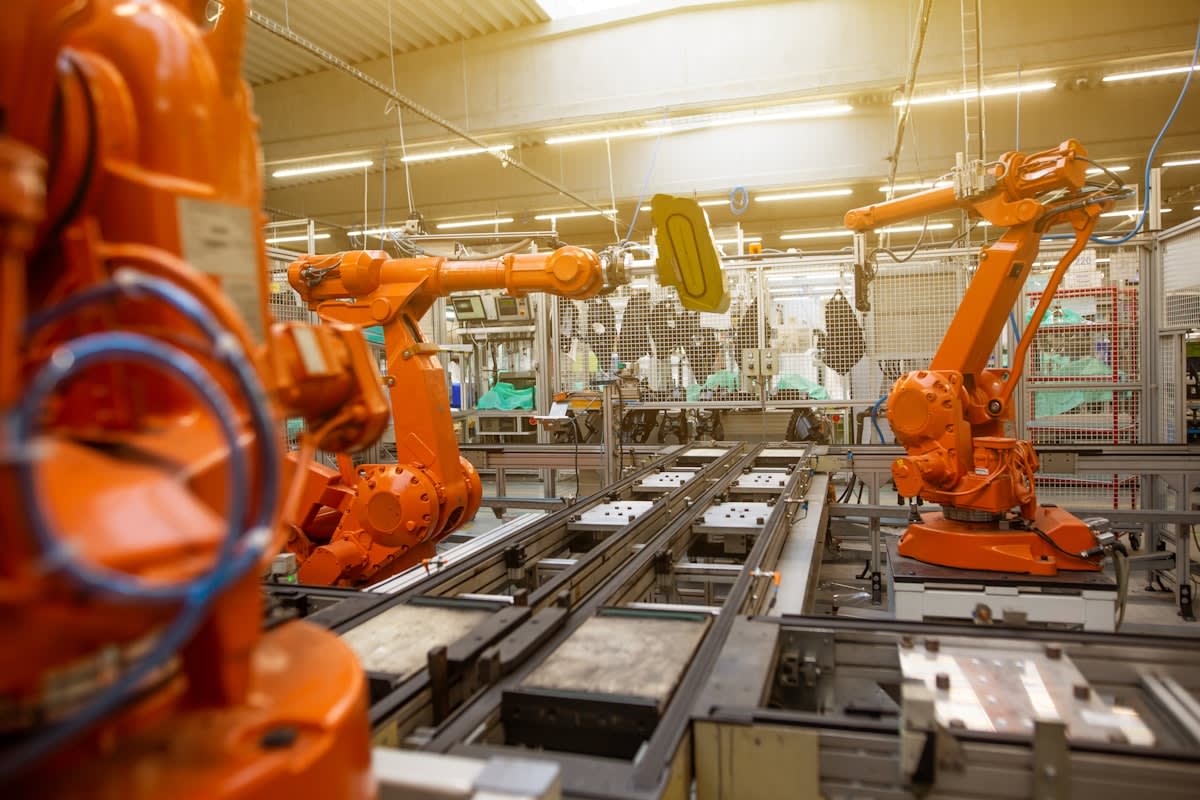
In the trenches of corporate strategy, this shift looks like a civil war between the CFO and the Chief Risk Officer. For years, the CFO held the gavel, demanding cost reductions and lean inventories. Now, the Chief Risk Officer is the one in the room with the power. I have seen these debates play out in boardroom sessions where the argument is no longer about the cost per unit, but about the probability of a trade embargo. Practitioners are now building 'redundancy by design,' intentionally creating inefficient overlaps in their supply chains to ensure that no single political event can zero out their revenue.
The New Winners: The Rise of the Aligned Middle Powers
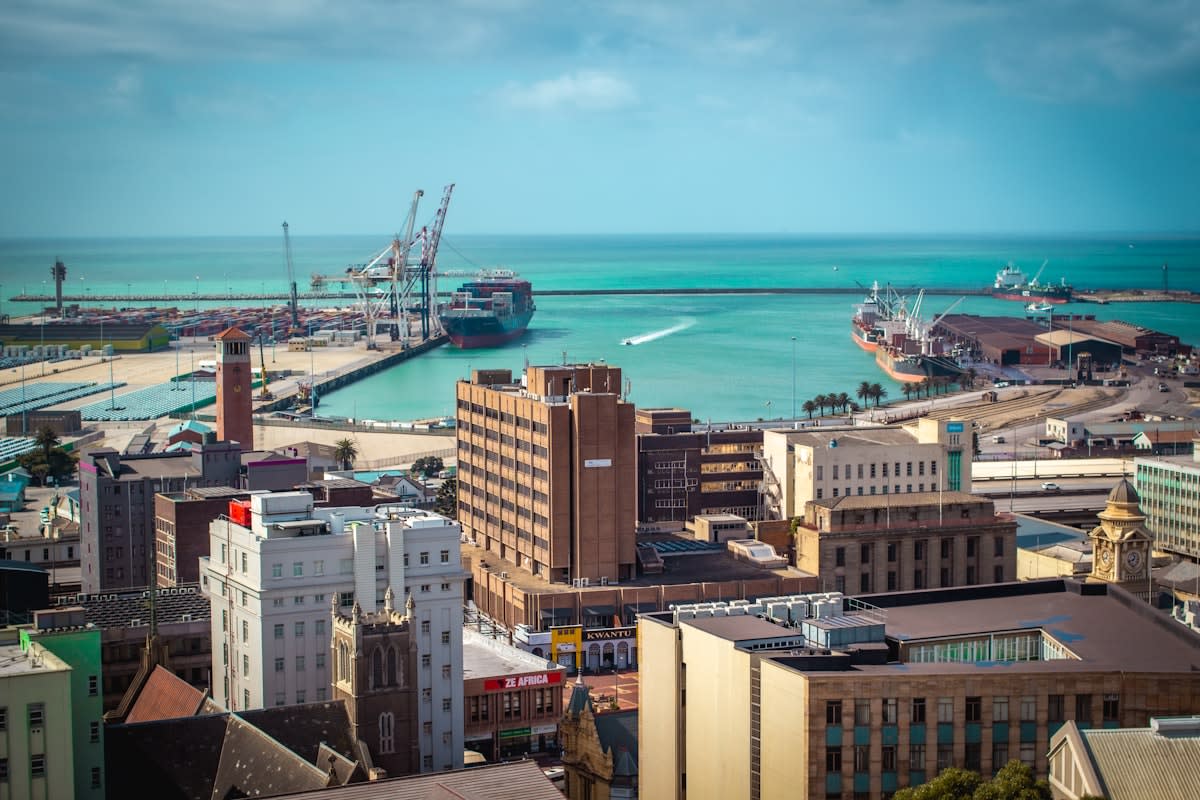
While the giants of the old order struggle to pivot, a new class of 'Aligned Middle Powers' is reaping the rewards. Countries like Vietnam, Mexico, Poland, and India are no longer just alternative options; they are strategic imperatives. Mexico has seen a surge in nearshoring as North American firms seek to shorten the physical distance between production and consumption. Vietnam has become the primary beneficiary of the 'China Plus One' strategy, absorbing massive outflows of electronics manufacturing. These nations are not winning because they are suddenly more efficient, but because they are geopolitically convenient.
| Metric | Traditional Offshoring | Friendshoring/Nearshoring |
|---|---|---|
| Primary Driver | Unit Cost Minimization | Supply Chain Security |
| Lead Times | High (Intercontinental) | Low to Medium (Regional) |
| Political Risk | High (Diversified but Volatile) | Low (Aligned Interests) |
| Capital Expenditure | Low (Utilizing Existing Hubs) | High (Building New Infrastructure) |
| Price to Consumer | Downward Pressure | Upward Pressure (Inflationary) |
However, this windfall for middle powers comes with a caveat. These nations are often inheriting infrastructure that cannot handle the sudden influx of capital. In Mexico and Vietnam, we see industrial parks filling up faster than the power grids can be upgraded. The result is a bottleneck that offsets the gains of shorter shipping lanes. The transition is messy, expensive, and prone to failure, as these countries struggle to move from simple assembly to high-value engineering.
Who Actually Pays the Price?
The ultimate bill for friendshoring is not paid by the corporations—they simply pass the cost down. The cost is borne by the consumer in the form of higher prices and by the developing world in the form of exclusion. When trade is based on loyalty rather than merit, the most efficient producer in a 'non-friendly' country is shut out of the market regardless of their quality or price. This creates a new form of economic apartheid, where access to global markets is contingent on political submission.
According to reports from the World Trade Organization (WTO, 2023), the trend toward restrictive trade measures is increasing, threatening the multilateral trading system that lifted millions out of poverty over the last few decades. By prioritizing 'trusted' partners, we are effectively telling the rest of the world that economic competitiveness is no longer enough to earn a seat at the table. This creates a dangerous incentive for excluded nations to form their own rival blocs, accelerating the very fragmentation that friendshoring was intended to mitigate.
Is this the end of globalization? Not exactly. It is the end of blind globalization. We are moving toward a 'multiplex' world where trade exists within secure corridors. The challenge for the next decade will be managing the friction at the borders of these corridors. Those who can bridge the gap between the aligned blocs will be the new power brokers of the 21st century.
Fact-Check & Accuracy Note
Key claims regarding GDP loss are sourced from the IMF's 2023 World Economic Outlook. Data on restrictive trade measures is based on the WTO's 2023 monitoring reports. The 'Loyalty Tax' and 'Efficient Frontier' discussions reflect ongoing debates among global macroeconomists regarding the trade-off between resilience and cost.