Why Sonam Wangchuk won’t be joining CJP’s Delhi protest today
Source Entity
Naveed Iqbal
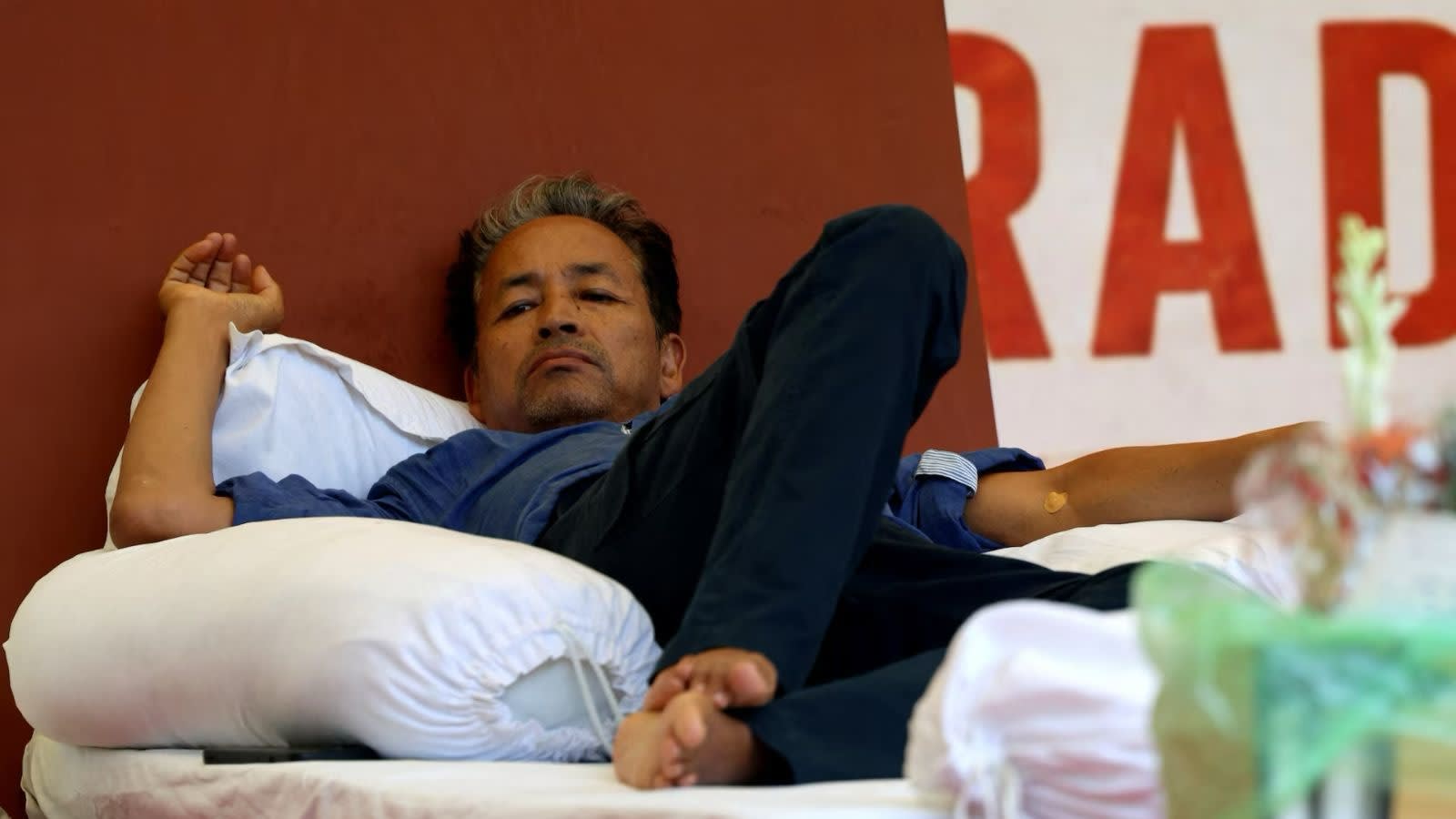
Climate activist Sonam Wangchuk has announced he will not join the Cockroach Janata Party's Delhi protest on October 10. He remains in Ladakh, focusing on critical environmental projects like artificial glaciers and glacial lake flood security ahead of the harsh winter.
Sonam Wangchuk’s Absence from Delhi Protest: A Focus on Ladakh’s Security
Climate and education activist Sonam Wangchuk has officially confirmed he will not participate in the Cockroach Janata Party’s (CJP) scheduled protest in New Delhi on October 10. Through a video statement shared on X, Wangchuk clarified his position, signaling that his priorities remain firmly rooted in the environmental and national security needs of his home region, Ladakh.
Prioritizing Regional Resilience
Wangchuk’s decision highlights the tension between political advocacy in the national capital and the immediate, practical demands of life in the Himalayas. By choosing to stay in Ladakh, he is emphasizing the urgency of preparing for the region's notoriously harsh winter. His work is not merely symbolic; it represents a commitment to local infrastructure that has direct implications for the survival and stability of high-altitude communities.
The Role of Artificial Glaciers
At the core of his current efforts are initiatives focused on water security. Wangchuk has been a vocal advocate for, and architect of, artificial glaciers—a technology designed to mitigate water shortages during the dry spring months. These structures are essential for the agricultural and domestic viability of Ladakh, serving as a buffer against the changing climate patterns that threaten traditional water sources in the Indus basin.
Addressing Glacial Lake Flood Risks
Beyond water storage, Wangchuk is engaged in experiments regarding Glacial Lake Outburst Flood (GLOF) security. As global temperatures rise, the risk of glacial lakes breaching their natural dams increases, posing a catastrophic threat to downstream settlements. By focusing on methods to defuse these potential disasters, Wangchuk is addressing a critical component of national security, protecting both the land and the people residing in these vulnerable mountainous regions.
Navigating Government Relations
Wangchuk’s statement alluded to government efforts to “hinder and damage” his work. This narrative suggests an ongoing friction between local activists and state authorities regarding the management and development of Ladakh. His decision to continue his work despite these alleged obstacles highlights a defiant commitment to grassroots environmental governance, even when it requires bypassing high-profile political demonstrations.
Conclusion: A Strategic Choice
Ultimately, Sonam Wangchuk’s choice to remain in Ladakh reflects a strategic prioritization of tangible, life-saving field work over political participation in Delhi. While his presence at the CJP protest would have undoubtedly drawn media attention, his ongoing experiments in GLOF mitigation and water security represent a form of advocacy that is fundamentally tied to the immediate physical safety and long-term sustainability of the Ladakh region.
Multiple Citing Sources