Jantar Mantar CJP protest: Hotels asked to turn away guests, CP to shut, schools and courts go online
Source Entity
Mishal Mussaddique, Sophiya Mathew, Nirbhay Thakur
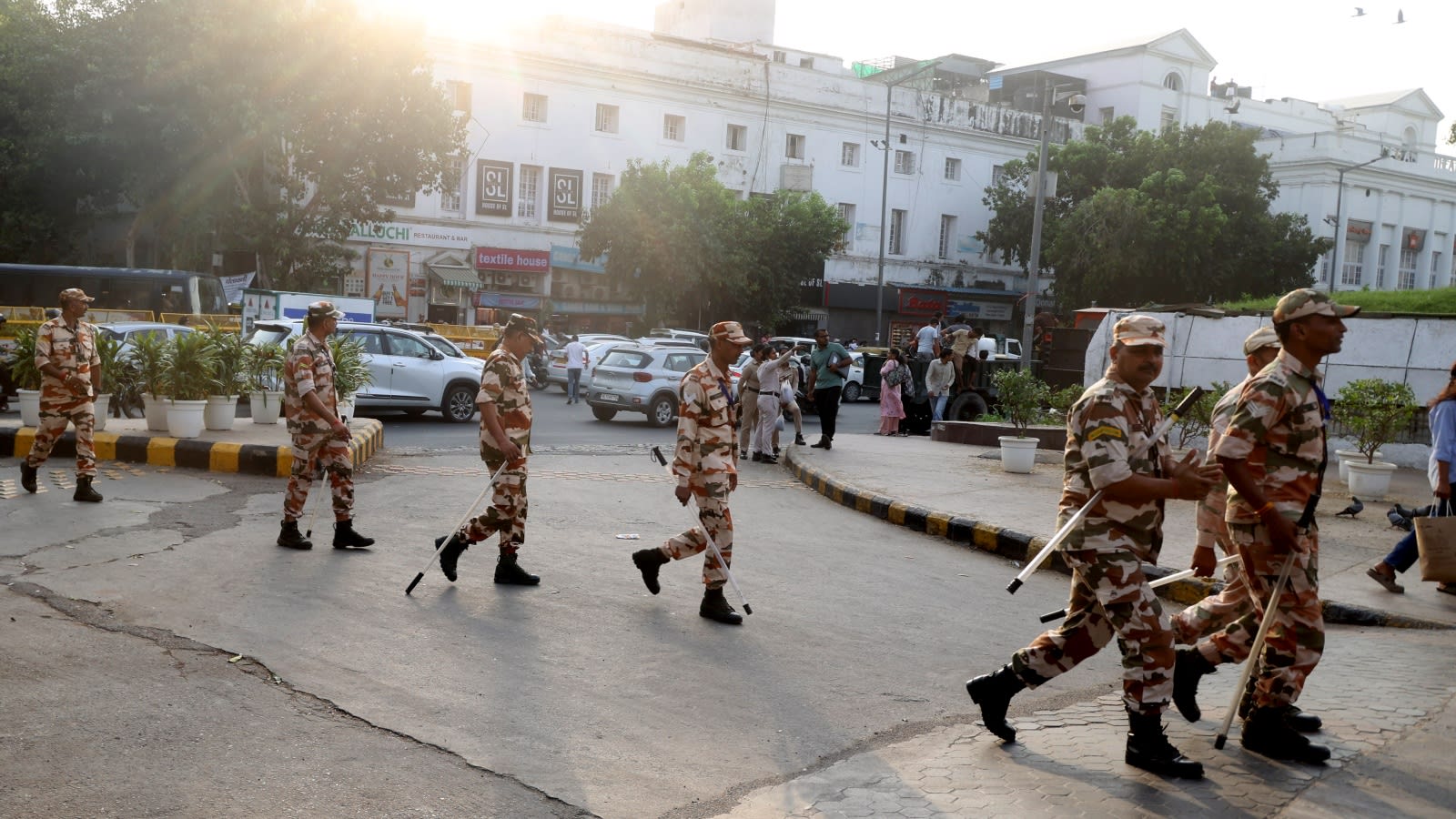
Delhi authorities have implemented sweeping security measures, including the closure of 45 metro stations and the detention of over 400 protesters, ahead of a planned demonstration at Jantar Mantar. The city remains on high alert with increased police deployment to manage potential unrest and traffic disruptions.
Delhi Security Lockdown: Unprecedented Measures Amid CJP Protests
The national capital of India is currently facing significant operational paralysis as authorities implement a massive security crackdown in response to a planned protest at Jantar Mantar. With the detention of over 400 individuals already reported, the administration is signaling a zero-tolerance policy toward unauthorized gatherings. This move underscores the heightened state of alert currently prevailing in Delhi, where the intersection of civil dissent and public order maintenance often results in drastic preventative measures.
The Scope of Metro Disruptions
Perhaps the most visible impact of this security strategy is the closure of 45 Delhi Metro stations. By restricting entry and exit points at major transit hubs—including central nodes like Rajiv Chowk, Central Secretariat, and Mandi House—the Delhi Metro Rail Corporation is effectively isolating parts of the city to prevent the convergence of protesters. This logistical maneuver serves a dual purpose: it limits the mobility of demonstrators and prevents the potential for large-scale congestion that could overwhelm security forces stationed at sensitive locations.
Tactical Deployment: Pink Force and Surveillance
Beyond the closure of transit infrastructure, the security apparatus has been bolstered by the deployment of the 'Pink Force' and the widespread utilization of body cameras. The inclusion of specialized units suggests a focus on both crowd management and immediate accountability. The use of body-worn cameras is particularly significant in the context of modern protest policing, as it aims to document interactions between law enforcement and citizens, thereby establishing a digital audit trail of the day's events.
Traffic Management and Public Impact
The Delhi Traffic Police have issued comprehensive advisories regarding diversions and restrictions, warning commuters of the severe impact on mobility. By sealing off key transit corridors and erecting barricades outside closed stations, the authorities are attempting to create a 'sterile zone' around the protest site. For the average resident, this creates a ripple effect of chaos, necessitating significant adjustments to daily routines and travel plans as the city braces for prolonged disruptions lasting through Saturday evening.
Broader Implications for Civil Dissent
The scale of this response—detaining hundreds of people before the protest has fully materialized—raises questions about the state's evolving approach to managing civil unrest. By proactively dismantling the logistics of the protest (the metro access and street movement), the authorities are prioritizing public safety and infrastructure stability over the ease of assembly. This trend indicates a shift toward hyper-vigilant security models in metropolitan India, where the preservation of public order is increasingly prioritized through pre-emptive administrative lockdowns.
Conclusion
As the situation remains fluid, the combination of mass detentions, station closures, and enhanced surveillance remains the primary strategy of the Delhi administration. While these measures are intended to maintain order, they highlight the ongoing tension between the right to protest and the state's imperative to secure the national capital. Residents are advised to continue monitoring official traffic and metro updates as the city navigates this high-security period.
Multiple Citing Sources