Hawara agrees to one-day parole to meet ailing mother
Source Entity
Latest News: Todays Latest News Headlines from India & World | Hindustan Times | Hindustan Times
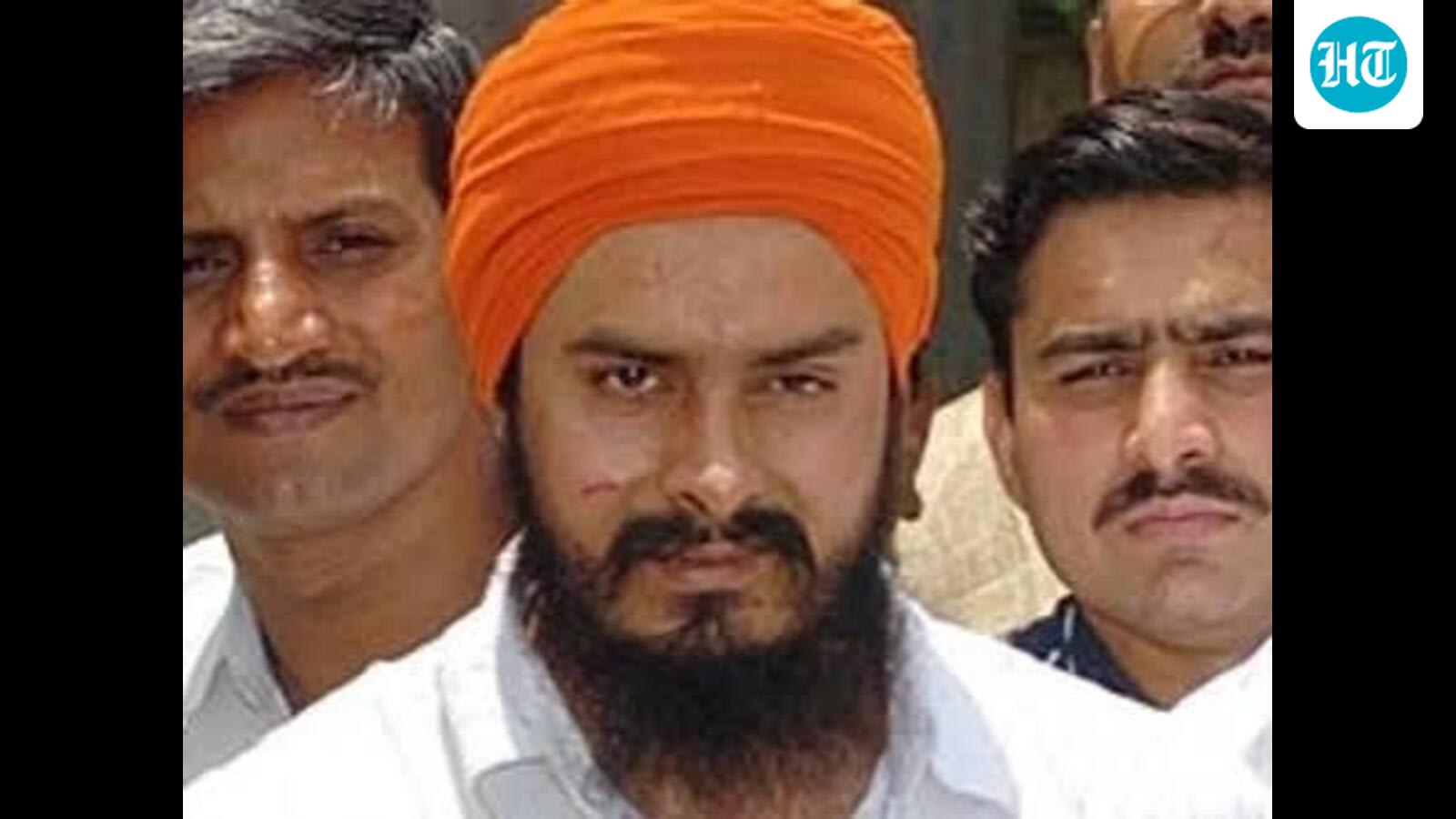
Jagtar Singh Hawara, convicted in the 1995 assassination of Punjab CM Beant Singh, has agreed to a one-day parole to visit his ailing mother. This decision follows persistent requests from the Qaumi Insaaf Morcha and counters previous claims that Hawara had refused such releases.
Developments in the Case of Jagtar Singh Hawara
Jagtar Singh Hawara, currently incarcerated in Mandoli Jail, New Delhi, has formally agreed to accept a one-day parole to visit his ailing mother. This development was confirmed by Gurcharan Singh and Gurdeep Singh Bathinda, leaders of the Qaumi Insaaf Morcha, in a public statement released on Friday. The decision marks a significant shift in the procedural status of a high-profile prisoner convicted for his involvement in the 1995 assassination of former Punjab Chief Minister Beant Singh.
Overcoming Legal and Administrative Hurdles
For an extended period, the narrative surrounding Hawara’s potential release has been characterized by conflicting reports regarding his willingness to participate in parole programs. State agencies and prison authorities have frequently cited in court filings that Hawara himself was reluctant to avail of limited release options. By accepting the Morcha’s request, Hawara has effectively removed this specific administrative barrier, compelling prison authorities to re-evaluate the processing of his temporary release application in the immediate future.
The Role of the Qaumi Insaaf Morcha
The Qaumi Insaaf Morcha has played a pivotal role in facilitating this outcome, acting as an intermediary between the prisoner and the relevant authorities. Their involvement highlights the ongoing advocacy efforts surrounding long-term convicts in Punjab-related cases. By securing Hawara’s consent, the organization has successfully shifted the focus back to the humanitarian aspect of his request—specifically, the opportunity to attend to an ailing family member—rather than the broader political or legal implications of his conviction.
Implications of the Parole Process
While the request is for a one-day visit, the logistics of such a release involve complex security and administrative considerations. Given Hawara’s high-profile status and the nature of his conviction, prison authorities are mandated to ensure strict compliance with legal protocols. The acceptance of this parole will serve as a test case for how the system handles the intersection of compassionate grounds and high-security requirements, potentially setting a precedent for similar requests from other long-term inmates.
Future Trajectory and Judicial Oversight
The move by the Qaumi Insaaf Morcha and Hawara’s subsequent agreement suggest a tactical shift in how legal representation and advocacy groups are navigating the judicial system. If the parole is granted and successfully executed, it could lead to increased calls for further legal reviews regarding long-standing prison sentences. However, the outcome remains subject to the final approval of the prison administration and the judicial oversight that governs such high-security detainees.
Concluding Summary
In summary, the agreement for a one-day parole represents a noteworthy development in a case that has remained a point of contention for decades. By aligning his personal decision with the advocacy of the Qaumi Insaaf Morcha, Hawara has effectively challenged the state's previous assertions of his refusal to participate in the parole process. The coming days will be critical as authorities determine the feasibility and security parameters of this temporary, compassionate release.
Verification Required?