Delhi set to become a fortress ahead of CJP protest
Source Entity
Pragynesh, Sakshi Chand
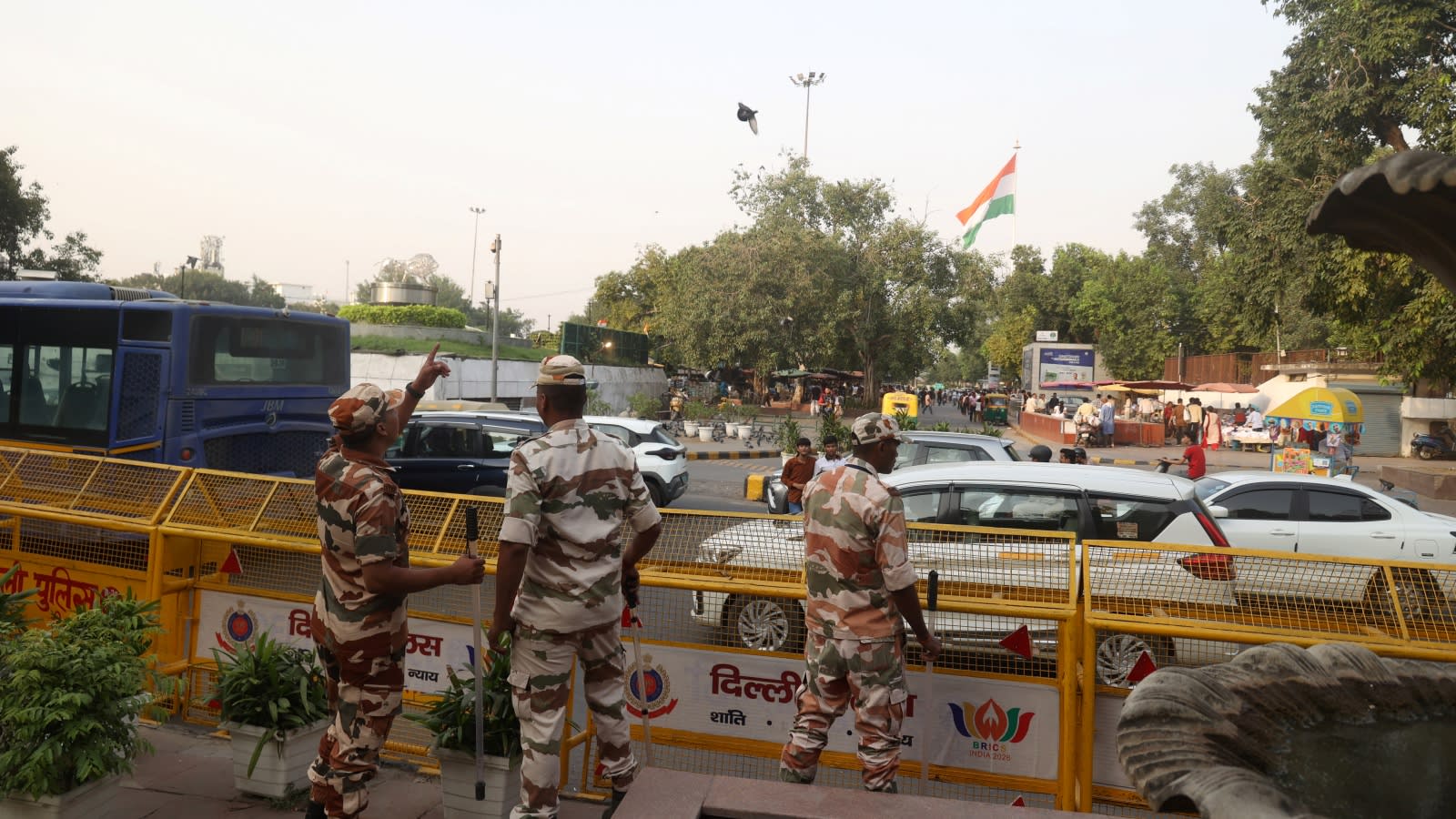
Delhi authorities have shuttered 45 metro stations and deployed extensive security measures, including the 'Pink Force' and body cameras, to manage protests related to the CJP. Over 400 demonstrators have been detained as police work to maintain public order amid widespread travel disruptions.
Security Lockdown in the National Capital
The city of Delhi has entered a state of heightened alert as authorities move to contain protests associated with the Citizenship (Amendment) Act (CJP). In a preemptive measure to maintain public order, the Delhi Metro Rail Corporation has implemented unprecedented restrictions, shutting down entry and exit points at 45 major metro stations. This decision reflects the administration's commitment to preventing large-scale gatherings that could potentially disrupt the city's infrastructure and public safety.
Strategic Deployment of Security Forces
To manage the volatile situation, law enforcement has deployed specialized units, including the 'Pink Force' and personnel equipped with body cameras. The use of body cameras serves as a critical tool for transparency and evidence collection, ensuring that interactions between protesters and security personnel are documented. The 'Pink Force,' typically associated with women's safety, signifies a broad, multi-layered security approach designed to de-escalate tensions and monitor the massive crowds converging on the capital.
Impact on Urban Mobility
The closure of 45 stations—ranging from major transit hubs like Rajiv Chowk and Central Secretariat to critical nodes like Kashmere Gate and Hauz Khas—has brought public transit to a near-standstill. The Delhi Traffic Police have issued comprehensive advisories, warning commuters of significant diversions and gridlock across major arterial roads. With barricades erected outside closed stations, the city is experiencing a restrictive environment where movement is severely curtailed to mitigate the risk of violence or civil unrest.
Detention and Crowd Control
The scale of the police response is evidenced by the detention of over 400 individuals who had gathered to demonstrate. By removing protesters from the streets early, the administration aims to neutralize the protest's momentum. This proactive strategy underscores the government's stance on unauthorized assemblies, prioritizing the preservation of civil order over the facilitation of large-scale public demonstrations in sensitive zones like Jantar Mantar.
Broader Implications and Future Trends
The current situation highlights the ongoing friction between the state's security apparatus and public dissent. As Delhi continues to serve as the epicenter for national discourse, the reliance on metro shutdowns and heavy police presence is becoming a recurring pattern in the city's approach to managing political protests. Moving forward, authorities are likely to continue utilizing these 'total-shutdown' models to protect critical infrastructure, a strategy that poses significant challenges for urban commuters and the right to public assembly.
Conclusion
The current security operation in Delhi is a testament to the intensity of the ongoing CJP-related protests. With 45 stations closed, a significant police footprint established, and hundreds detained, the city remains under strict regulatory control. As the situation evolves, the focus remains on balancing public safety with the logistical realities of a functioning capital city.
Multiple Citing Sources