J&K Waqf chairperson Andrabi condemns assault on Kashmiri youth in Delhi
Source Entity
India Latest News: Top National Headlines Today & Breaking News | The Hindu
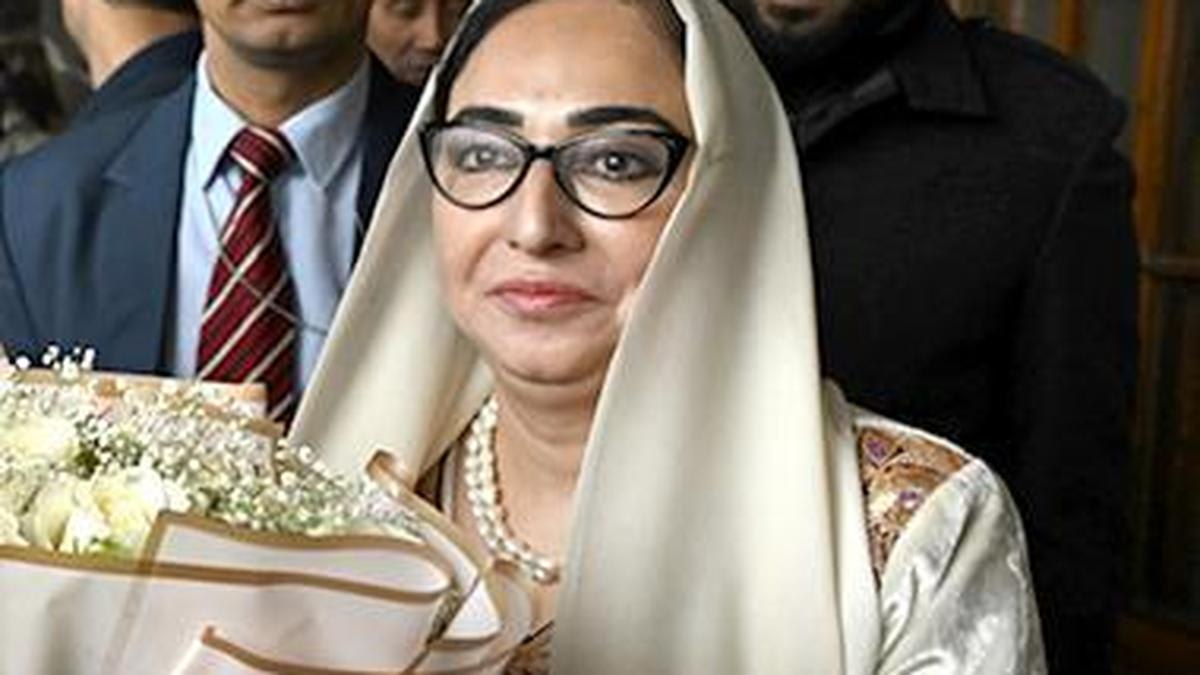
J&K Waqf Board chairperson Darakhshan Andrabi has condemned the alleged assault on a Kashmiri youth in Delhi by Congress workers. The incident occurred after the youth, Fahim Nazir, expressed support for Prime Minister Narendra Modi during opposition protests.
Condemnation of Political Violence in the Capital
On October 9, 2026, J&K Waqf Board chairperson Syed Darakhshan Andrabi issued a formal condemnation regarding a violent incident in Delhi. The event, which took place on October 8, 2026, involved the alleged assault of a Kashmiri youth, Fahim Nazir, by individuals identified as Congress workers. The conflict reportedly erupted after Nazir vocalized support for Prime Minister Narendra Modi while simultaneously opposing street protests led by Rahul Gandhi.
The Core Conflict: Political Expression vs. Intolerance
The incident highlights a growing tension regarding the boundaries of political discourse in India. Ms. Andrabi, in her statement, characterized the assault as "deeply disturbing" and "utterly unacceptable in a democracy." The core of the controversy lies in the victim's decision to express personal political admiration for the Prime Minister within a public space dominated by opposition-led demonstrations. By asserting that "being his fan or expressing admiration for him is certainly no crime," Andrabi emphasizes the fundamental right to individual political choice, regardless of regional background or the prevailing political climate of a protest.
Implications for Kashmiri Youth and National Integration
Ms. Andrabi’s rhetoric serves a broader purpose by explicitly linking the victim to the national identity, referring to Fahim Nazir as both a "son of Kashmir" and a "son of India." This framing is intended to bridge the perceived gap between Kashmiri citizens and the rest of the country, reinforcing the narrative that support for the central government is a legitimate and patriotic act. The incident raises concerns about the safety of individuals from the Union Territory of Jammu and Kashmir when they engage in political activities outside their home region, suggesting a need for greater tolerance in national political discourse.
The Demand for Accountability
In response to the violence, the Waqf Board chairperson has demanded an "impartial investigation" into the actions of the alleged perpetrators. This call for accountability serves as a mechanism to challenge the perceived impunity of political workers who use physical force to silence dissent or opposing viewpoints. By framing the assault as an abuse of political affiliation, Andrabi is positioning the incident as a litmus test for the rule of law in the national capital, where political protests are frequent and often volatile.
Broader Political Context and Future Trends
This incident is reflective of the polarized nature of modern Indian politics, where street-level confrontations between opposing ideological camps are becoming increasingly common. As political parties mobilize for various agendas, the potential for friction between supporters and detractors grows. The demand for an investigation underscores the necessity for political organizations to maintain control over their cadres and ensure that activism does not devolve into criminality. If such incidents are not addressed with transparency and legal rigor, they risk further alienating citizens from the democratic process and escalating tensions between different political factions across the nation.
Verification Required?