US Lifts Sanctions On Sale Of Russian Diesel Until April 2027
Source Entity
NDTV News Search Records Found 1000
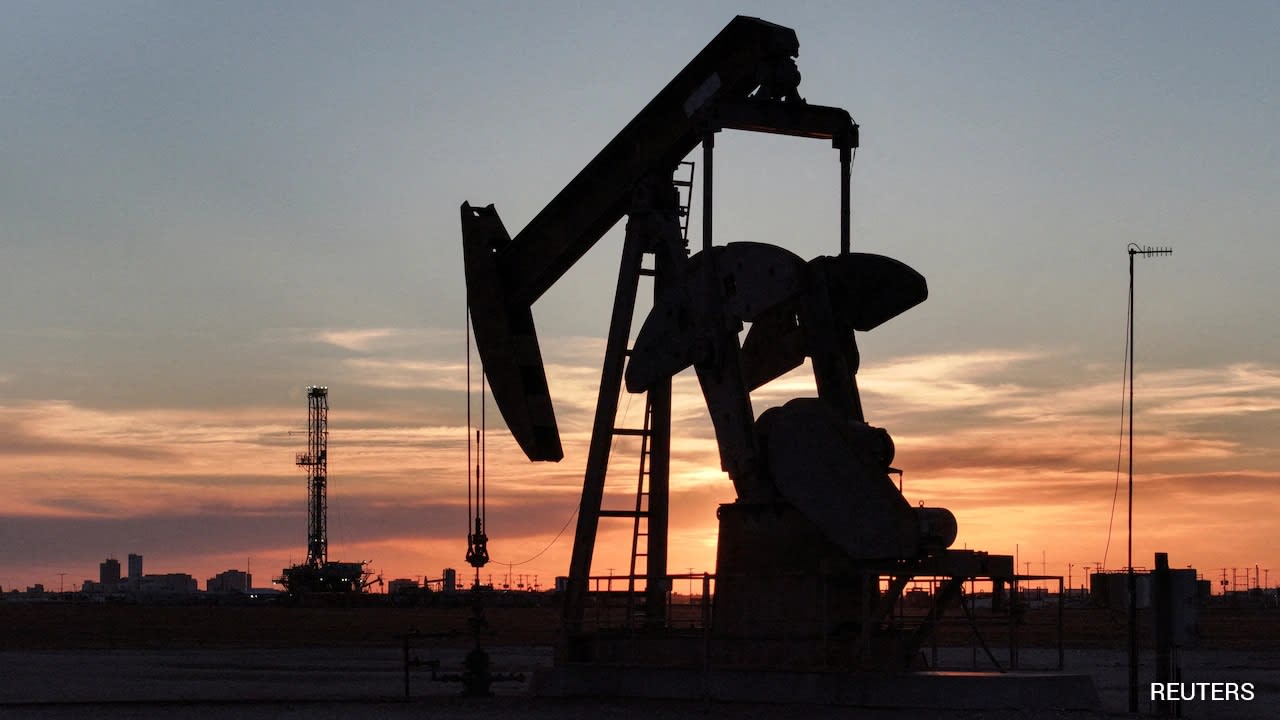
President Donald Trump has announced a deal to purchase significant quantities of Russian diesel to address rising global fuel costs. This pivot marks a major shift in U.S. energy policy, contrasting with previous pressure applied to nations like India regarding Russian energy imports.
A Strategic Shift in U.S. Energy Policy
In an unexpected and significant policy reversal, U.S. President Donald Trump announced on Friday that the United States has reached an agreement with Russian President Vladimir Putin to secure substantial shipments of diesel. This move, communicated via Truth Social, signals a profound shift in the administration's approach to global energy markets and sanctions enforcement. By lifting restrictions on Russian diesel sales until April 2027, the U.S. is prioritizing domestic and global fuel supply stabilization over previous geopolitical containment strategies.
The Mechanics of the Diesel Deal
The agreement is structured in phases to address immediate supply chain constraints. According to the announcement, Russia will immediately provide 300,000 tons of diesel, followed by 500,000 tons in November, and an additional 1 million tons shortly thereafter. A further 3 million tons are slated for delivery, contingent upon the operational capacity of Russia's domestic refineries. This influx of fuel is intended to alleviate the severe supply shortages that have caused global diesel prices to spike.
Contextualizing the Global Fuel Crisis
The decision comes amidst a period of extreme volatility in the energy sector. Global fuel prices have faced upward pressure due to a confluence of factors, including targeted strikes on Russian refineries that forced Moscow to previously restrict its own exports. Furthermore, the security environment in the Middle East—compounded by attacks on energy infrastructure by Iran and its Houthi allies—has further tightened global supply lines, leaving the U.S. and its allies vulnerable to cost-push inflation.
Implications for International Relations
This development is particularly striking given the recent diplomatic history between Washington and New Delhi. For months, the U.S. had actively pressured India to reduce its reliance on Russian energy, citing the need to deprive Moscow of revenue to fund its military operations in Ukraine. By engaging directly with Moscow for the same commodity, the Trump administration has effectively softened its stance on energy-based sanctions, potentially altering the diplomatic leverage the U.S. holds over its partners regarding their own energy procurement strategies.
Political Pressure and Economic Realities
President Trump’s pivot is largely driven by domestic economic concerns. With political pressure mounting to combat rising fuel prices, the administration has opted for a pragmatic, albeit controversial, approach to energy security. By securing these diesel volumes, the White House aims to stabilize the domestic market ahead of future economic cycles, demonstrating a preference for immediate supply-side relief over the long-term diplomatic objectives that characterized previous rounds of sanctions.
Future Trends and Market Outlook
Looking ahead, the lifting of sanctions until 2027 provides a long-term framework for this energy exchange, suggesting that the U.S. intends to integrate Russian diesel into the global supply chain for the foreseeable future. This move will likely force a reassessment of international sanctions regimes by other nations, as the global market adjusts to the reality of renewed U.S.-Russian energy cooperation. The success of this policy will ultimately depend on Russia's ability to maintain refinery output and the durability of the current geopolitical consensus.
Multiple Citing Sources
Verification Required?