Delhi CJP Protest News LIVE: CJP's Jantar Mantar 2.0 Today Despite No Permission
Source Entity
NDTV News Search Records Found 1000
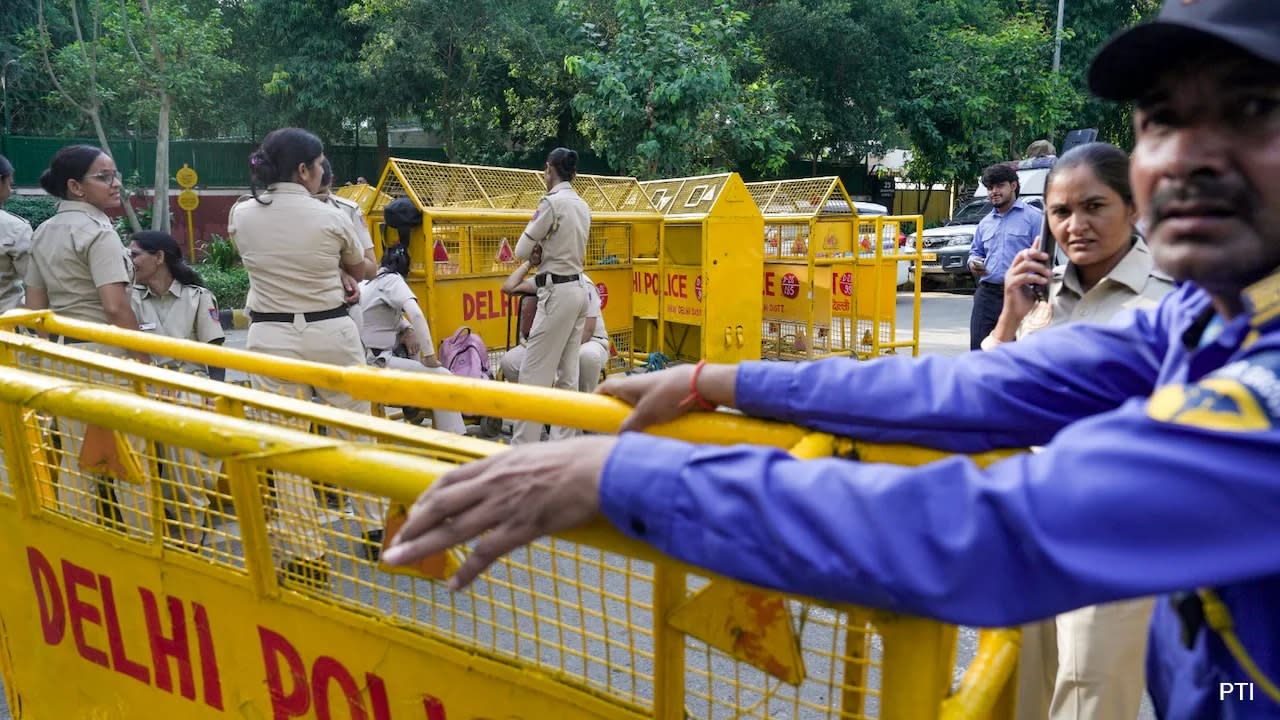
Authorities in Delhi and Gautam Budh Nagar have implemented strict security measures and transit restrictions ahead of a planned protest. Over 35,000 security personnel are deployed, with multiple metro stations closed and public gatherings prohibited to maintain order.
Delhi Braces for Heightened Security Amid Planned Protest
As the national capital prepares for a significant protest demonstration, local authorities have initiated a comprehensive security lockdown. The Delhi Police, in collaboration with neighboring law enforcement in Gautam Budh Nagar, has moved to preemptively restrict movement and public assemblies. This strategy, centered on maintaining public order, has resulted in the closure of 45 metro stations and the deployment of approximately 35,000 security personnel across key locations.
Strategic Restrictions and Public Safety
The decision to shutter 45 metro stations represents a significant disruption to daily life in the National Capital Region. By limiting the accessibility of public transit, authorities aim to prevent the rapid mobilization of protesters toward sensitive areas, particularly the Jantar Mantar site. These closures are complemented by strict regulations in Noida, where the Gautam Budh Nagar police commissionerate has invoked Section 163 of the Bharatiya Nagarik Suraksha Sanhita (BNSS), 2023. This order explicitly prohibits unauthorized gatherings of five or more people and bans the storage of materials that could be used for violence, such as bricks or flammable substances.
The Security Apparatus Behind 'Jantar Mantar 2.0'
The scale of the security deployment, featuring 35,000 personnel, underscores the gravity with which the Delhi Police views this event. The protest, directed against officials including CEC Gyanesh Kumar and SIR, has prompted the administration to adopt a 'qila' (fortress) approach. This involves not only physical barricading but also the proactive use of preventive detentions to mitigate risks posed by potential anti-social elements. These measures are designed to act as a deterrent against escalation in a city that is highly sensitive to large-scale demonstrations.
Legislative Context and Preventive Policing
The implementation of Section 163 of the BNSS, 2023, marks a shift in how local authorities manage potential civil unrest. By imposing these restrictions for an 11-day period—lasting until October 20—the police are signaling a focus on long-term stability rather than just the day of the protest itself. This legislative tool allows for the proactive management of public spaces, ensuring that potential flashpoints, such as public intersections and open spaces, remain under government control.
Broader Implications and Future Trends
These events highlight the increasing difficulty of balancing the democratic right to protest with the imperative of maintaining urban safety in a high-density environment. The reliance on sweeping transit closures and mass police deployments is becoming a recurring trend in Delhi’s administrative response to political mobilization. As the city grows in population and logistical complexity, the tension between civil expression and the need for order is likely to continue shaping the landscape of metropolitan governance, potentially leading to more sophisticated, tech-enabled security protocols in future demonstrations.
Multiple Citing Sources
Verification Required?