Trump announces deal for Russian diesel as Zelensky criticises 'gift to Putin'
Source Entity
BBC News
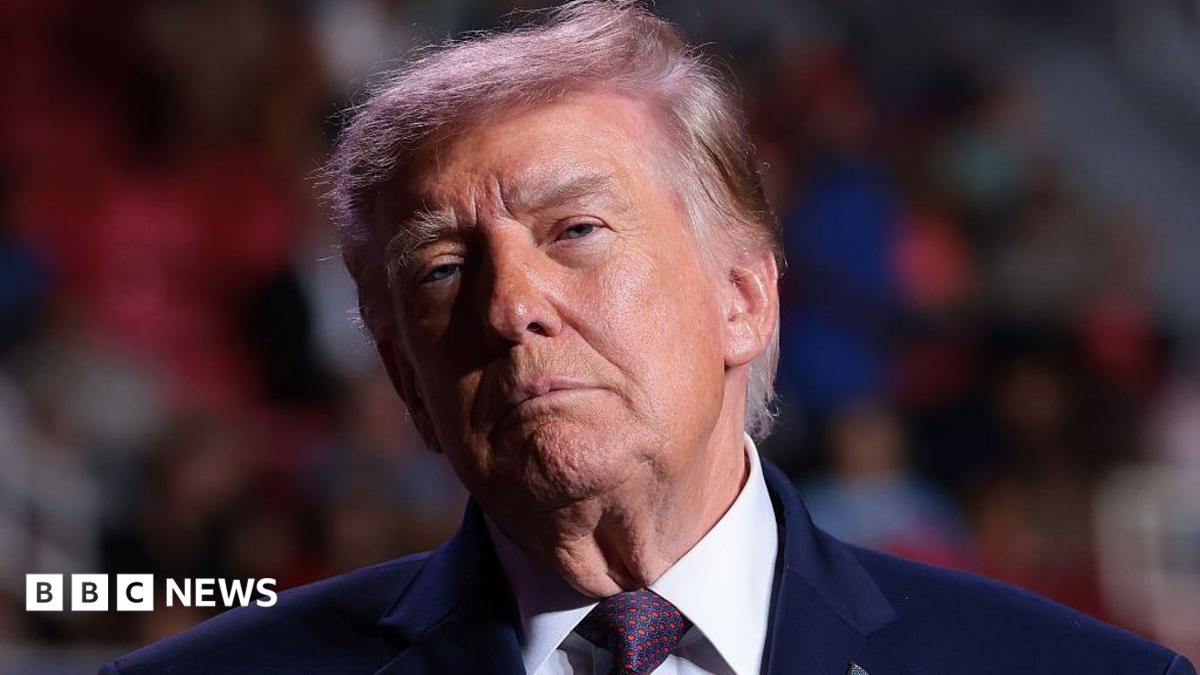
President Trump has reached a deal with Russia to import significant quantities of diesel to lower domestic fuel prices, accompanied by a temporary suspension of related sanctions. The move has drawn sharp criticism from Ukraine and raises questions regarding U.S. foreign policy consistency given previous pressure on allies to avoid Russian energy.
The Shift in U.S. Energy Policy: Russia’s Return to the American Fuel Market
On October 9, U.S. President Donald Trump announced a significant shift in energy strategy, revealing that Russia has agreed to supply substantial quantities of diesel to the United States and global markets. This agreement, which includes an initial shipment of 300,000 tonnes followed by larger installments of 500,000 tonnes in November and 1 million tonnes shortly thereafter, marks a dramatic pivot in the administration's approach to energy security. To facilitate this influx, the U.S. government has confirmed a temporary pause on sanctions previously imposed on Russian fuel.
Economic Rationale and Market Reaction
The primary driver behind this policy reversal appears to be the administration's goal of curbing rising fuel prices ahead of the November 3 congressional elections. By increasing the supply of diesel—a critical commodity for transportation, agriculture, and industry—the administration hopes to provide immediate relief to consumers. While market indicators showed an initial dip in diesel prices following the announcement, analysts remain skeptical about the long-term efficacy of this deal in stabilizing volatility, suggesting that structural supply constraints may outweigh the temporary boost from Russian imports.
Geopolitical Implications and Diplomatic Dissonance
This decision creates a profound diplomatic paradox. For months, the Trump administration has aggressively pressured international allies, particularly India, to curtail their reliance on Russian energy, arguing that such purchases provide the financial resources necessary for Moscow to sustain its war in Ukraine. By reversing course and engaging in direct procurement, the U.S. has sparked significant controversy. Ukrainian President Volodymyr Zelenskyy has openly criticized the move, noting the unfortunate timing as his team was actively in Washington to discuss strategies for ending the ongoing conflict.
Consistency and Global Alliances
The policy reversal serves as a potential relief for nations like India, which had previously faced intense scrutiny for their energy trade with Russia. However, it also raises fundamental questions about the consistency of U.S. foreign policy. By prioritizing domestic fuel prices over the previous objective of depriving Moscow of war-funding revenue, the administration has effectively signaled that economic convenience may occasionally override established geopolitical sanctions regimes.
Future Trends and Political Fallout
Looking ahead, the longevity of this policy remains uncertain. The decision to lift sanctions until April 2027 provides a broad window for these imports to continue, yet the political climate remains volatile. With the congressional elections approaching in less than four weeks, the administration is clearly banking on the short-term economic benefits of lower fuel prices to influence voter sentiment. Whether this strategy will be viewed as a pragmatic solution to inflation or a strategic failure that undermines the broader effort to isolate Russia remains a central point of contention for both domestic critics and international observers.
Multiple Citing Sources