The Great Migration of Capital
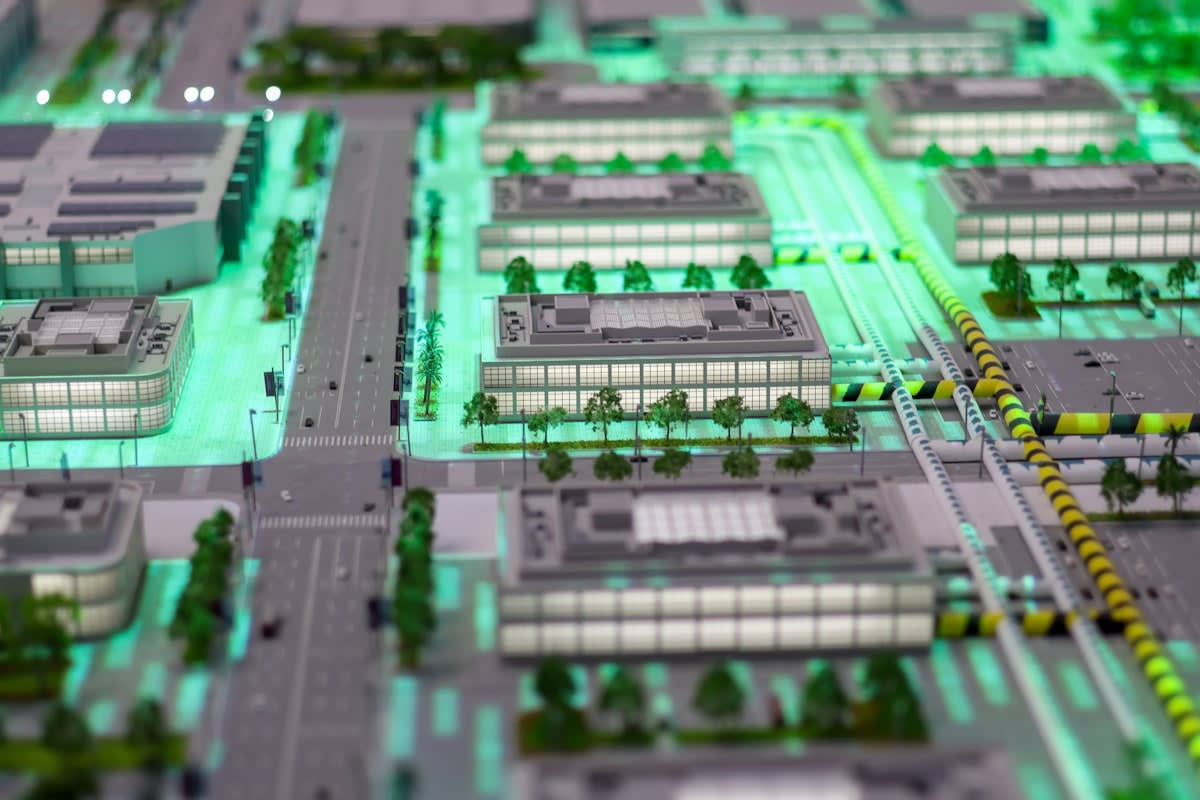
The geography of wealth is shifting. For decades, the global affluent viewed prime real estate—the glittering skyscrapers of New York, the luxury villas of the Côte d'Azur, or the commercial hubs of Singapore—as the ultimate hedge. But in July 2026, a different kind of land grab is underway. The new prime real estate isn't made of concrete and glass; it is composed of inference chips, tokenized ledger entries, and the massive, humming halls of hyperscale data centers. This is not a gradual evolution but a structural pivot. Capital is fleeing the visible world for the invisible infrastructure that powers the intelligence economy.
Why now? The delta between 2023 and 2026 is staggering. Two years ago, the market was obsessed with the raw power of training AI—buying every H100 GPU available regardless of the cost. Today, the focus has pivoted toward deployment. The wealth is moving from the labs where AI is taught to the infrastructure where AI is served. This shift represents a transition from speculative research funding to the creation of durable, monetizable utility. We are witnessing the birth of a new asset class that treats compute power and data throughput with the same reverence once reserved for oil wells and gold mines.
"Digital infrastructure has become one of the most important and capital-intensive asset classes in the global economy."— Joe Peiser, Chief Executive of Risk Capital at Aon
This transition is validated by the insurance markets, which act as the canary in the coal mine for institutional risk. Aon recently expanded the capacity for its Data Centre Lifecycle Insurance Programme (DCLP) to a staggering $5 billion. When the insurance industry scales its capacity to this degree, it signals that the underlying assets are no longer fringe experiments. They are now systemic pillars of the global economy, requiring sophisticated risk management to protect the trillions of dollars flowing into cloud computing and AI hyperscale projects.
The Inference Pivot: From Training to Serving
The most precise signal of this pivot arrived this week. Institutional financiers, the very firms that funded the Nvidia-heavy training clusters of 2023 and 2024, are now redeploying capital into inference-specific chips in a deal valued at $400 million. This is a tactical retreat from the training layer. The market has realized that while training creates the model, inference—the act of the model actually providing an answer to a user—is where the long-term revenue resides. It is the difference between building a factory and selling the product that comes out of it.
Google Gemini is accelerating this shift by rolling out tiered inference pricing. By creating a legible pricing architecture, Google is essentially turning compute power into a commodity that enterprise buyers can budget for. This makes the inference layer a durable infrastructure category. For the global wealthy, this is an irresistible proposition. Instead of managing a portfolio of physical apartments, they can now own the silicon that serves millions of AI queries per second, capturing a slice of every digital interaction across the globe.

Does this mean the physical world is irrelevant? Far from it. It simply means the physical world is being repurposed. The value has migrated from the aesthetic of the building to the utility of the hardware inside it. The 'invisible' nature of this infrastructure is its greatest strength, allowing capital to scale across borders without the friction of local zoning laws or the volatility of neighborhood gentrification.
Tokenization and the Wall Street Bridge
Simultaneously, the plumbing of finance itself is being rewritten. We are seeing a convergence of traditional asset management and blockchain infrastructure that was unthinkable a few years ago. T. Rowe Price, overseeing nearly $1.9 trillion in assets, recently launched the industry's first actively managed multi-token spot crypto ETF. This fund doesn't just bet on Bitcoin; it spreads across Ether, BNB, Solana, XRP, and Hyperliquid. This is a clear signal that the world's largest asset managers now view digital tokens as legitimate components of a diversified institutional portfolio.
The integration is deepening. Citadel Securities, one of the planet's most powerful market makers, recently invested $400 million in Crypto.com, valuing the exchange at $20 billion. This isn't a speculative bet on the price of a coin. It is an investment in the infrastructure of tokenized securities and derivatives. When firms like JPMorgan, Goldman Sachs, BlackRock, and Vanguard collaborate to integrate blockchain-based assets into existing market infrastructure, they are building a bridge. They are ensuring that the transition from traditional equities to tokenized assets is seamless and controlled.
| Feature | Traditional Real Estate | Digital Infrastructure |
|---|---|---|
| Primary Value Driver | Location & Scarcity | Compute Power & Throughput |
| Liquidity | Low (Months to sell) | High (Tokenized/ETF) |
| Scalability | Linear (Build more units) | Exponential (Chip clusters) |
| Regulatory Friction | Local Zoning/Property Tax | Energy Policy/Data Sovereignty |
The scale of this integration is evident in the custody numbers. Current data shows that institutional players now clear or custody approximately 94% of tokenized U.S. stocks and hold more than $1.5 billion in underlying equities. The 'invisible' digital layer is no longer a parallel system; it is becoming the primary operating system for global wealth.
The New Landlords: Data Sovereignty and Silicon
In Asia, the pivot is taking a more aggressive, corporate form. Indian IT giants Tata Consultancy Services (TCS) and HCL Technologies (HCLTech) are betting billions on building their own dedicated data center infrastructure. For years, these firms operated as service providers, selling labor and software. Now, they are transitioning into asset-heavy infrastructure owners. By controlling the data centers required for training complex AI models, they are moving up the value chain.
This move is driven by the urgent need for data localization. Governments are increasingly wary of their national data sitting in third-party clouds owned by foreign entities. By owning the physical infrastructure, TCS and HCLTech are not just providing a service; they are providing a sovereign sanctuary for enterprise data. They are capturing a larger portion of enterprise AI spending by owning the very ground the AI stands on.
The Physical Paradox
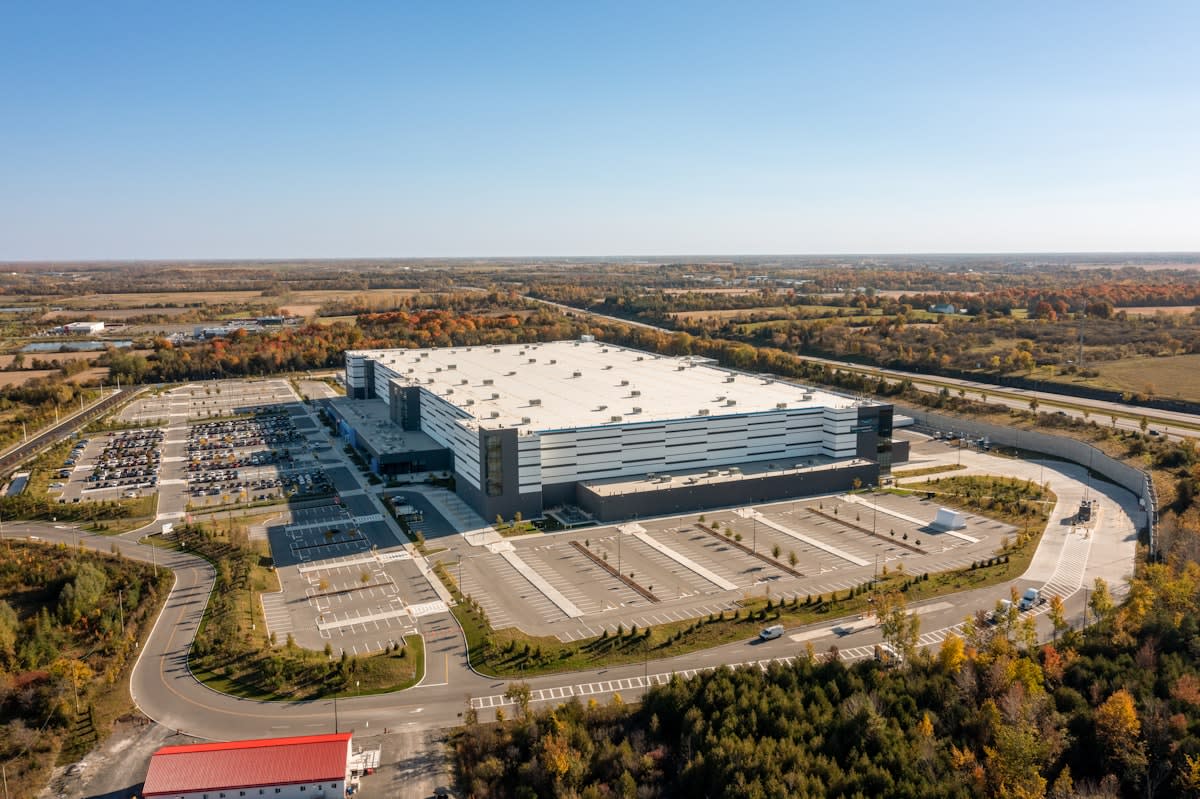
While the assets are digital, the requirements are physical. The surge in data center construction is creating a collision between the digital economy and the local power grid, leading to unprecedented legislative pushback.
The Friction of Progress: Power and Politics
However, this pivot is not without its casualties. The appetite for AI infrastructure is colliding head-on with the reality of energy grids. In the United States, the rapid proliferation of data centers is driving electricity prices up sharply in states like Virginia and Ohio. This has triggered a political firestorm. The proposed Protecting Families From AI Data Center Energy Costs Act in the U.S. House seeks to prevent homeowners and small businesses from footing the bill for the energy demands of AI platforms.
This creates a fascinating paradox. The global wealthy are moving into 'invisible' assets to escape the headaches of physical property management, only to find that their new assets are causing visible, tangible crises in the communities where they are located. Data centers are cropping up against the wishes of local residents, creating a new frontier of regulatory risk. The battle is no longer about zoning for a luxury condo; it is about who gets the electricity to keep the servers running.
Despite these frictions, the momentum is irreversible. The shift from training to inference, the tokenization of Wall Street, and the corporate ownership of data centers all point toward a single conclusion: the center of gravity for global wealth has moved. The elite are no longer interested in owning the land; they are interested in owning the intelligence that flows across it. In the economy of 2026, the most valuable asset is the one you cannot see, but whose absence would bring the world to a standstill.