Brent crude nears $100 a barrel as U.S.-Iran tit-for-tat strikes stoke supply worries
Source Entity
US Top News and Analysis
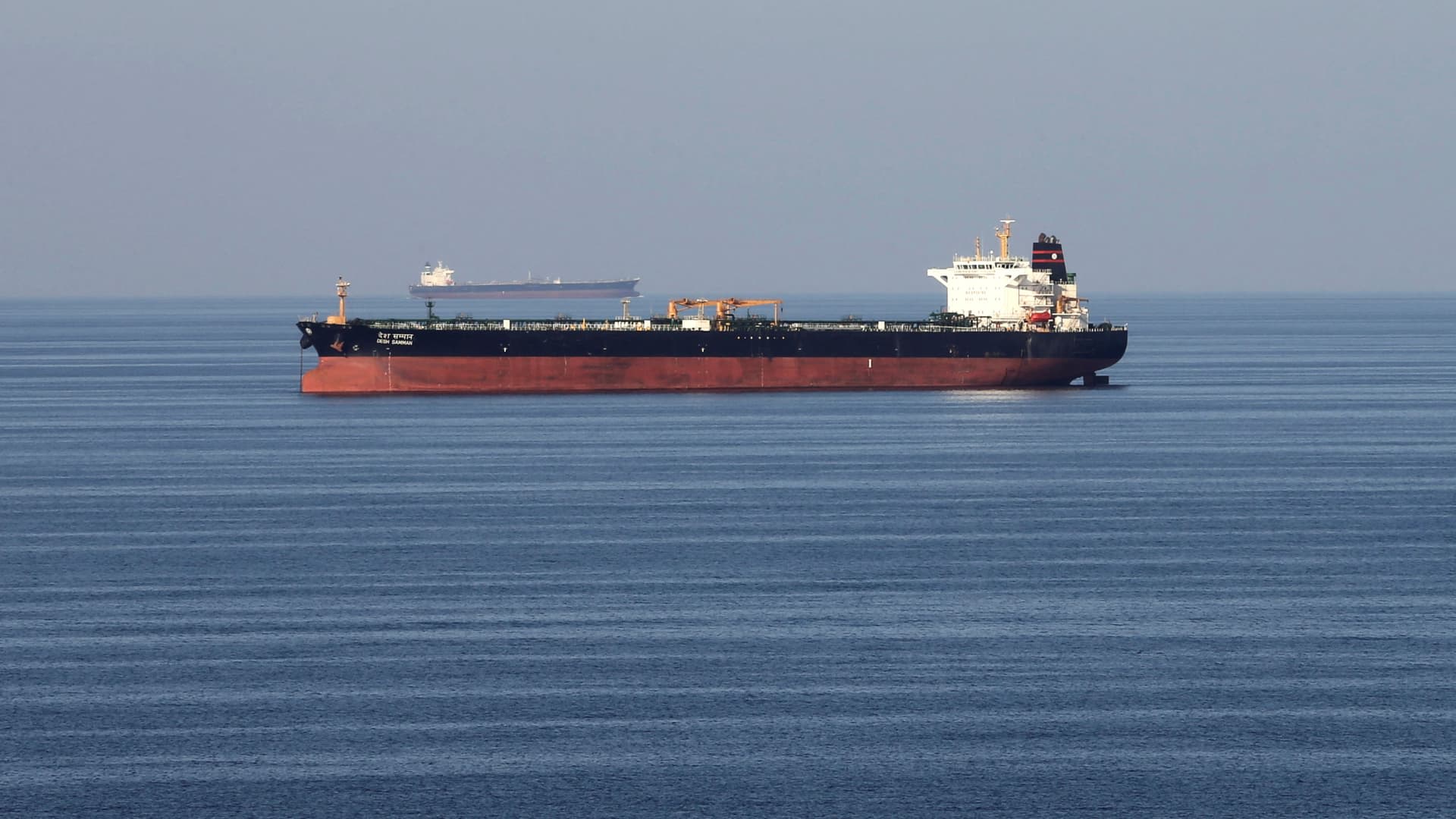
Oil prices are surging toward $100 per barrel as U.S.-Iran military hostilities escalate in the Middle East. The market reaction follows tit-for-tat strikes involving destroyed oil tankers and missile attacks on U.S. positions in Jordan.
Escalating Geopolitical Tensions and the Global Oil Market
The global energy landscape is facing a period of extreme volatility as the longstanding conflict between the United States and Iran enters a dangerous new phase. As of Wednesday, Brent crude oil prices have surged, inching perilously close to the $100-per-barrel milestone. This upward pressure on commodity prices is a direct response to the intensification of military engagements, which have disrupted supply chain confidence and heightened fears regarding the stability of Middle Eastern energy exports.
The Catalyst: Tit-for-Tat Military Engagements
The recent spike in prices follows a series of aggressive military maneuvers. The U.S. Central Command (Centcom) confirmed that U.S. forces destroyed five Iranian oil tankers—four located in the Gulf of Oman and one near the strategic Kharg Island—in retaliation for attempted attacks on an American warship. These strikes have directly targeted Iran's economic infrastructure, specifically assets linked to the Revolutionary Guards Corps (IRGC), signaling a shift from defensive posturing to direct economic and military confrontation.
Regional Instability and Missile Strikes
Tehran’s response was swift and geographically expansive. Iran launched ballistic missiles targeting U.S. positions, including a base in Jordan’s Al-Azraq region. While Jordanian air defense systems successfully intercepted 18 of the 20 incoming missiles, the reach of the conflict has now extended beyond the immediate maritime theater into regional sovereign territories. This expansion underscores the fragility of the current security architecture in the Middle East, as neighboring nations find themselves caught in the crossfire of this escalating bilateral dispute.
Economic Implications and Market Volatility
For the global economy, the proximity of Brent crude to the $100-a-barrel mark represents a significant inflationary risk. Analysts, including Daan Struyven, have indicated that if the current rate of shipping attacks and military strikes continues, the market could see prices push beyond $120 per barrel. This four-day streak of price increases reflects a market that is pricing in not only current supply disruptions but also the potential for a prolonged blockade of critical oil transit routes.
Historical Context and Future Outlook
This current escalation is the culmination of a conflict that has been intensifying for over seven months, tracing back to coordinated U.S. and Israeli actions against Iranian targets on February 28. The shift from covert or limited engagement to high-intensity missile exchanges suggests that the "tit-for-tat" dynamic is becoming more entrenched. As the conflict moves into this volatile new phase, global markets will remain hyper-sensitive to any further developments in the Gulf of Oman, as any additional disruption to tanker traffic could trigger a severe global energy supply shock.
Multiple Citing Sources