Expert Explains | How floods triggered Nepal’s demand for compensation
Source Entity
Manjeev Singh Puri
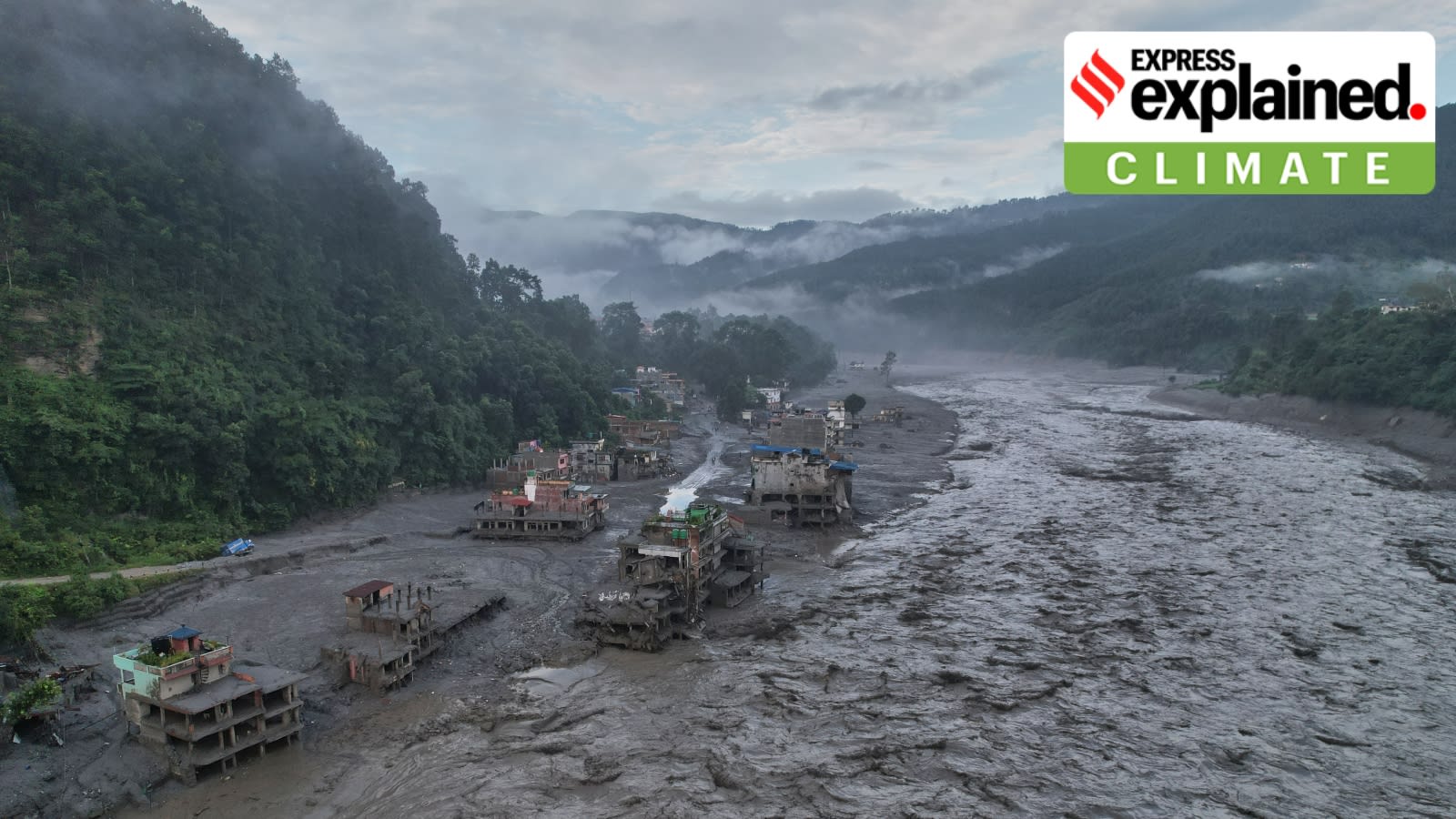
Nepal is facing a humanitarian catastrophe following devastating flash floods that have left over 1,000 dead and thousands missing. The disaster is being linked to the dual pressures of climate change and intensive infrastructure development in the Himalayan region.
The Himalayan Humanitarian Crisis: A Perfect Storm
Nepal is currently grappling with the aftermath of a catastrophic flash flood event that has resulted in over 1,000 confirmed fatalities. Nearly 10 days after the initial deluge, the search for thousands of missing individuals continues, as the nation confronts the destruction of entire villages, critical bridges, and essential road networks. The scale of this tragedy in the Nuwakot district, particularly around the Trishuli River, highlights the extreme vulnerability of Himalayan communities to sudden, high-intensity hydrological events.
The Intersection of Infrastructure and Environment
Analysts are increasingly pointing toward a convergence of factors that exacerbated the severity of these floods. A critical element identified in the aftermath is the impact of heavy infrastructure development currently being conducted by Chinese entities in the Tibetan plateau. While development is often a catalyst for economic growth, the alteration of the landscape in such a fragile, high-altitude ecosystem can disrupt natural drainage patterns, potentially intensifying the force and velocity of water surges during extreme weather events.
The Third Pole and Glacial Instability
Known globally as the 'Third Pole,' the Himalayas house vast reservoirs of ice and water that serve as the lifeline for millions. For years, climatologists have sounded the alarm regarding the rapid melting of these glaciers. The current flooding serves as a grim realization of these warnings. As global temperatures rise, the structural integrity of these glacial reservoirs decreases, turning once-stable mountain regions into high-risk zones for flash flooding and landslides.
The Global Climate Context
At the heart of the debate is the role of global carbon emitters. Nepal, despite having a negligible carbon footprint, is bearing the brunt of a crisis fueled by global industrialization. The analysis highlights that the United States remains a leading contributor to the greenhouse gas emissions responsible for the warming trends that destabilize the Himalayan ice reserves. This disparity has sparked a growing demand for climate compensation, as nations like Nepal face existential threats from environmental shifts they did not initiate.
Future Implications and Policy Demands
The catastrophic loss of life and infrastructure has shifted Nepal’s diplomatic focus toward international accountability. The demand for compensation is not merely an economic request but a plea for climate justice. Moving forward, the international community must address how infrastructure projects in sensitive ecological zones are managed and how major emitters will support developing nations that are on the front lines of climate-induced disasters.
Conclusion
The tragedy in the Trishuli Bazaar area serves as a wake-up call regarding the fragility of the Himalayan region. As the death toll rises and recovery efforts persist, the focus must remain on the intersection of climate policy, sustainable regional development, and the urgent need for international financial support for victims of climate-linked disasters.