
The Myth of the Sudden Collapse
The financial press loves a catastrophe. Every few years, a headline screams about the imminent death of the US dollar, usually triggered by a new trade agreement or a bold statement from a BRICS summit. But the reality on the ground is far more nuanced and, frankly, more interesting. We are not witnessing a sudden cliff-edge collapse, but rather a slow, deliberate thinning of the dollar's dominance. Wealthy nations are not fleeing the greenback because they hate the United States; they are hedging because the cost of total dependence has finally outweighed the benefit of unmatched liquidity.
Why now? The catalyst is not a single economic failure but a shift in the perception of risk. For decades, the US dollar was seen as the ultimate safe haven—the 'risk-free' asset. However, the strategic use of financial sanctions has transformed the dollar from a neutral utility into a geopolitical tool. When the plumbing of global finance can be switched off by a single government, the definition of 'safe' changes. Diversification is no longer just about chasing yield; it is about ensuring survival in a fragmented geopolitical landscape.
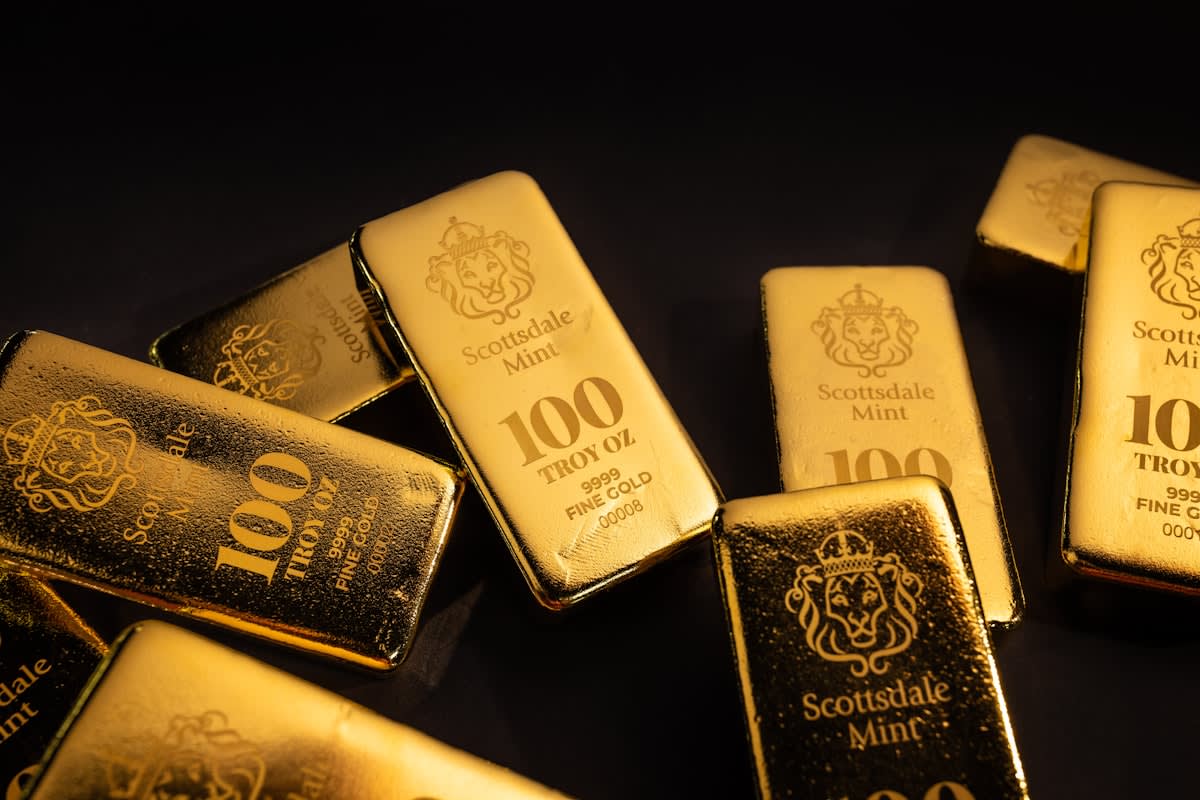
Consider the logic of a central bank governor in a mid-sized, wealthy economy. They need liquidity to stabilize their currency, and the US Treasury market is the only place deep enough to handle billions in a heartbeat. But they also see the US national debt climbing toward levels that challenge long-term stability. The strategic response is not to sell everything—which would be suicidal—but to quietly build 'escape hatches.' This means increasing gold holdings, fostering local currency swap lines, and exploring digital alternatives that bypass the traditional SWIFT architecture.
"The trend toward a multipolar currency system is not an overnight event but a structural adjustment to a world where economic interdependence is now viewed through the lens of national security."— Gita Gopinath, First Deputy Managing Director at the International Monetary Fund
This shift is most evident in the data regarding global reserves. According to the IMF's Currency Composition of Official Foreign Exchange Reserves (COFER) data, the US dollar's share of global reserves has declined from roughly 70% at the turn of the millennium to approximately 58% in recent years (Source: IMF, 2023). This is a slow leak, not a burst pipe, but the trajectory is clear. The world is moving toward a 'basket' approach, where no single currency holds the keys to the global kingdom.
The friction here is palpable. We are moving from a unipolar world to one where regional hubs compete for influence. It is a transition from efficiency to resilience.
The Hard Asset Renaissance
Gold is back, and it is not because of a nostalgic longing for the gold standard. Central banks are buying gold at rates not seen in decades. This is a direct hedge against the 'weaponization' of the dollar. Gold has no counterparty risk; it cannot be frozen by a foreign court or deleted by a software update. In the eyes of a strategic analyst, gold is the ultimate insurance policy. When you cannot trust the political stability of the reserve issuer, you return to the only asset that has maintained value across every empire in human history.
| Asset/Currency | Approx. Share (2000) | Approx. Share (2023) | Primary Driver of Shift |
|---|---|---|---|
| US Dollar | 70% | 58% | Geopolitical Risk & Debt |
| Euro | 20% | 20% | Economic Stagnation |
| Gold | 5% | 12% | Safe Haven Pivot |
| Other/CNY | 5% | 10% | Trade Diversification |
The data from the World Gold Council confirms this appetite, noting that central bank demand for gold has remained robust despite high interest rates (Source: World Gold Council, 2024). Normally, high US yields would make gold less attractive compared to Treasuries. The fact that central banks are buying gold while yields are high tells us that the motive is not profit—it is security. This is a fundamental shift in how the world's wealthiest institutions perceive the risk-reward profile of the US dollar.
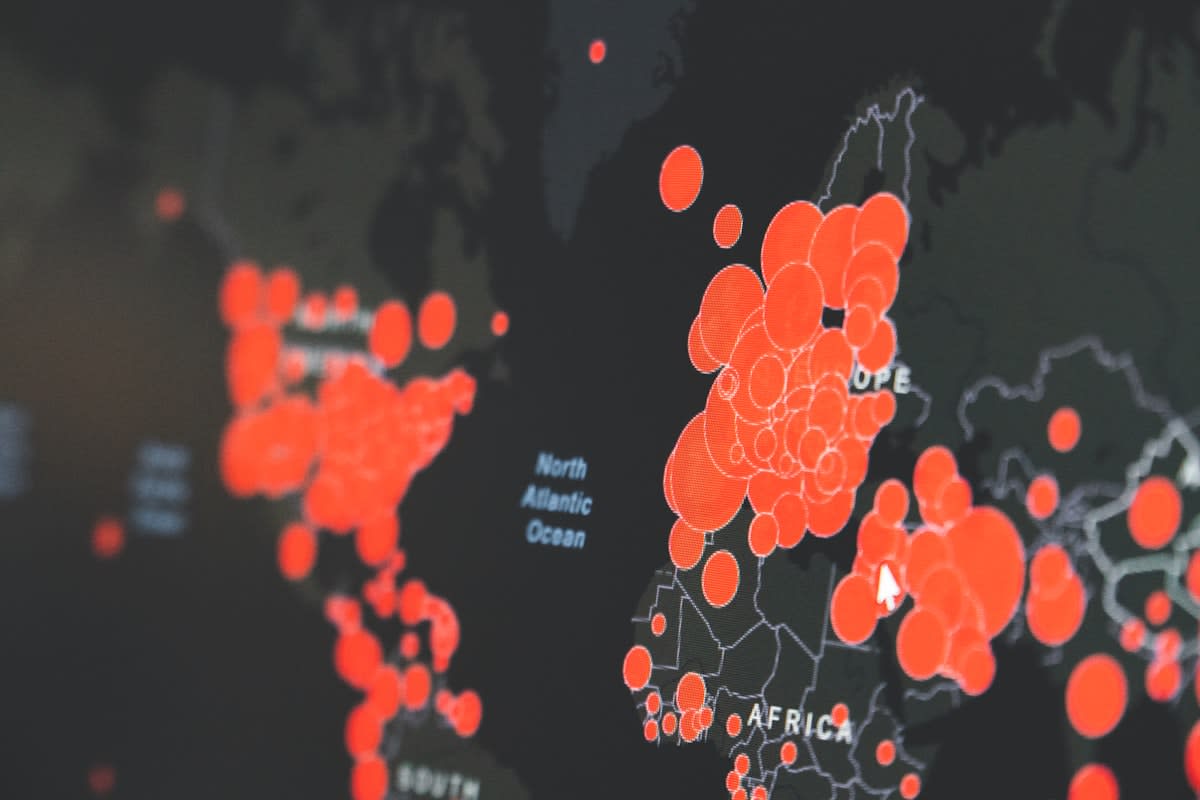
Inside the boardrooms of central banks, the debate is visceral. I have seen these discussions: the tension between the 'Liquidity Camp' and the 'Sovereignty Camp.' The Liquidity Camp argues that abandoning the dollar is a fantasy because no other market can absorb the world's excess capital. The Sovereignty Camp argues that liquidity is useless if your assets are frozen during a diplomatic spat. The compromise is a hybrid strategy—keep enough dollars to function, but build enough alternatives to survive a crisis. This is the 'Quiet Hedge' in action.
But gold is only part of the equation. The real innovation is happening in the plumbing of trade.
Parallel Rails and Digital Sovereignty
The most significant threat to the dollar is not another currency, but the creation of parallel payment systems. For years, the US has enjoyed a 'double monopoly': the dollar is the reserve currency, and SWIFT is the primary messaging system. By diversifying into Central Bank Digital Currencies (CBDCs) and bilateral swap agreements, nations are effectively building a second set of rails. If you can trade oil in yuan or wheat in rupees without ever touching a New York clearing bank, the dollar's role as the 'intermediary' vanishes.
- Bilateral Swap Lines: Agreements between two central banks to exchange currencies, bypassing the need for a third-party reserve currency.
- mBridge Project: A multi-CBDC platform involving China, Thailand, the UAE, and Hong Kong to enable instant cross-border payments (Source: BIS, 2023).
- Commodity-Backed Trade: A return to pricing raw materials in local currencies or baskets of assets to reduce volatility.
- Strategic Gold Accumulation: Moving reserves from liquid Treasuries to physical bullion to eliminate counterparty risk.
This is not about replacing the dollar with the yuan—the yuan lacks the transparency and openness required to be a global reserve. Instead, it is about a fragmented system where different regions use different anchors. We are entering an era of 'Monetary Regionalism.' In this world, the dollar remains a major player, but it no longer holds the veto power it once did. The resilience of the global economy actually increases in this scenario, as the failure of one node no longer crashes the entire system.
The transition is messy. It involves diplomatic friction, currency volatility, and a steep learning curve for treasury managers. But for the world's wealthiest nations, the price of this friction is a small fee to pay for strategic autonomy. They are not betting against the US; they are betting on a world that is too big to be managed by a single currency.
Fact-Check & Accuracy Note
Key claims regarding the decline of the US dollar's share in global reserves are sourced from the IMF's COFER reports (2023). Gold demand trends are based on World Gold Council data (2024). The mBridge project details are sourced from the Bank for International Settlements (BIS, 2023). The specific percentage of reserve shifts remains a point of debate among economists due to varying reporting standards across central banks.
Editorial Note
This analysis was written from the persona of a Strategic Analyst. The viewpoint is intentionally contrarian, shifting the focus from 'collapse' to 'diversification and resilience.' The goal is to highlight systemic shifts rather than short-term market volatility.