
The clock is ticking for the architects of the modern pharmaceutical empire. For decades, the industry operated on a predictable, lucrative cycle: innovate, patent, and monopolize. But that cycle is breaking. We are currently entering the steepest part of the patent cliff, a period where a staggering volume of high-revenue drugs lose their legal protection simultaneously. This is not a slow decline; it is a systemic reset.
Why does this matter to a patient in Seoul, a doctor in Berlin, or a policymaker in Brasilia? Because the expiration of a patent is the only mechanism that reliably crashes the price of life-saving medicine. When the legal monopoly vanishes, the door swings open for generics and biosimilars. We are moving from an era of curated scarcity to one of competitive abundance, and the financial ripples are shaking every boardroom from Basel to Boston.
The Delta: From Anticipation to Execution
Twelve months ago, the conversation around the patent cliff was largely theoretical. Analysts spoke of potential revenue losses in the future tense, treating the cliff as a distant horizon. Today, that narrative has shifted to immediate execution. We are no longer asking if the prices will drop, but how fast the supply chains can scale to meet the sudden demand for cheaper alternatives. The delta is clear: we have moved from the planning phase to the impact phase.
In the last year, the entry of biosimilars—complex biological copies of original drugs—has accelerated. Unlike simple chemical generics, biosimilars require sophisticated manufacturing. The infrastructure for these drugs, once a bottleneck, has matured. This shift means that the 'cliff' is now a reality for some of the highest-selling biologics in history, leading to immediate pricing pressure that was only forecasted a year ago.
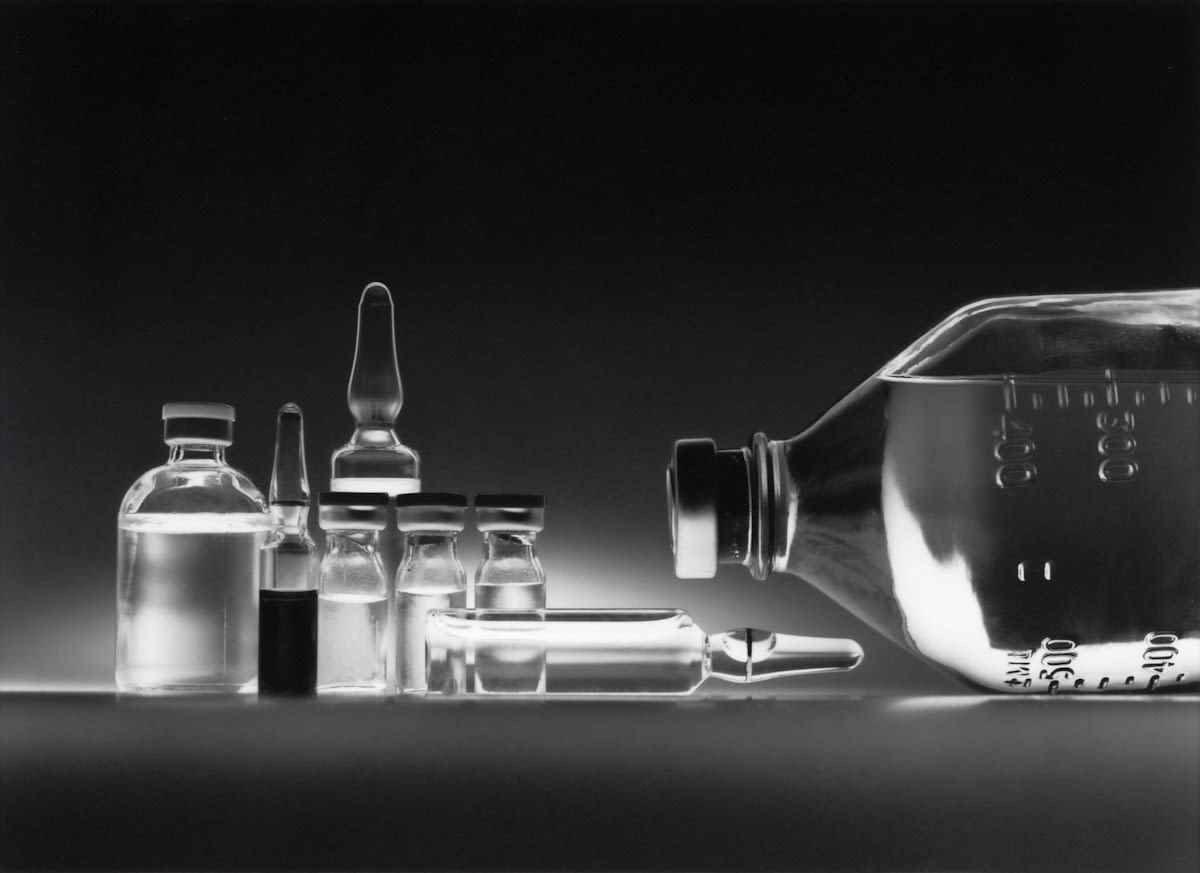
Does this mean the end of high-cost medicine? Hardly. But it does mean the end of the 'forever monopoly.' The industry is learning that the only way to survive the cliff is to innovate faster than the patents expire. This creates a frantic, high-stakes environment where the window for maximum profit is shrinking, forcing companies to seek efficiency over sheer dominance.
The Perspective Shift
The patent cliff is often viewed as a crisis for Big Pharma, but for global health systems, it represents the single greatest opportunity to reduce spending and increase patient reach in a generation.
Across the globe, the reaction varies by regulatory environment. In the European Union, the European Medicines Agency (EMA) has streamlined the approval of biosimilars, allowing for a more rapid price collapse. In contrast, the US market has historically been slower to adopt these alternatives due to complex rebate systems, though that is changing as legislative pressure mounts to lower costs for the average consumer.
Meanwhile, in emerging markets like India and Brazil, the patent cliff is a catalyst for local manufacturing. These regions are not just consuming generics; they are becoming the global hubs for the production of these affordable alternatives. This decentralization of pharmaceutical power is a critical byproduct of the cliff, shifting the center of gravity away from the traditional Western hubs.
The Financial Fallout: Billions at Risk
The numbers are staggering. Industry estimates suggest that over $200 billion in annual pharmaceutical revenue is at risk over the next decade as key patents expire. This isn't just a dip in profits; it is a fundamental threat to the valuation of the world's largest drug companies. When a single drug accounts for 20% or 30% of a company's total revenue, its expiration is a corporate earthquake.
| Drug Category | Typical Price Drop (Generic Entry) | Impact on Patient Access | Industry Response |
|---|---|---|---|
| Small Molecule Generics | 80% - 90% | Immediate & Widespread | Portfolio Diversification |
| Complex Biosimilars | 30% - 50% | Gradual & Regulated | Next-Gen Bio-Innovation |
| Orphan Drugs | Variable | Targeted/Low Volume | Indication Expansion |
To counter this, we are seeing a surge in M&A activity. Big Pharma is no longer relying solely on internal R&D. Instead, they are acting as venture capitalists, acquiring nimble biotech startups that have already crossed the initial risk threshold. This acquisition binge is a direct response to the cliff; companies are buying their way into the next generation of patents to plug the revenue holes left by expiring blockbusters.
"The era of the 'one-drug wonder' is over. Companies that cannot diversify their pipelines across multiple therapeutic areas will simply be erased by the cliff."— Industry Strategy Analyst
But is this acquisition strategy sustainable? By buying up smaller innovators, Big Pharma may be stifling the very competition that drives breakthroughs. There is a tension here between the need for corporate survival and the need for genuine scientific progress. The market is currently betting that the volume of new biotech startups will outpace the capacity of the giants to absorb them.
Beyond the Price Tag: Resilience and Adaptation
While the focus remains on the crash in prices, the real story is the adaptation of healthcare delivery. Lower costs allow governments to expand coverage. In several Southeast Asian nations, the availability of generic versions of oncology drugs has allowed public health systems to move from treating only the wealthiest patients to implementing national screening and treatment programs.

This shift fosters a more resilient global health infrastructure. When medicine is affordable, the burden on emergency care decreases. We are seeing a transition where the 'value' of a drug is no longer measured by its price point, but by its ability to be delivered at scale. The cliff is essentially forcing a democratization of medicine.
However, this transition is not without friction. We are witnessing 'patent thickets'—the practice of filing dozens of secondary patents on the same drug to extend the monopoly. This legal maneuvering is a desperate attempt to delay the inevitable. Regulators are beginning to push back, recognizing that these tactics hinder patient access and stifle the economic benefits of the cliff.
The result is a high-stakes game of legal chess. Every single day a patent is extended is a billion-dollar win for the manufacturer and a significant loss for the healthcare system. The tension between intellectual property rights and the right to health has never been more acute, and the resolution of these conflicts will define the next decade of medicine.
The Future: What Comes After the Crash?
As we move past the current wave of expirations, the industry is pivoting toward personalized medicine and gene therapies. These are not 'mass market' drugs in the traditional sense; they are highly targeted, often one-time treatments. This represents a fundamental shift in the business model: moving from chronic, lifelong medication (which provided steady revenue) to curative treatments (which provide a high one-time fee).
Will this create a new, even steeper cliff? Perhaps. But the current crash in prices for traditional biologics is providing the capital and the political will to explore these new frontiers. The efficiency gained from generics is freeing up budgets for the next generation of cures. The cliff is not a dead end; it is a gateway.
Ultimately, the Great Patent Cliff serves as a reminder that in the world of economics and medicine, monopoly is a temporary state. The only permanent advantage is the ability to innovate. As prices crash and the old guard adapts, the real winner is the patient, who finally gains access to the miracles of science without the burden of monopoly pricing.